Zentoravesa Review 2026: Is It Safe & Worth Your Money?
In-depth Zentoravesa review updated for 2026. We tested spreads, key features, supported countries, and safety. Read our full verdict.

In-depth Zentoravesa review updated for 2026. We tested spreads, key features, supported countries, and safety. Read our full verdict.
| Min Deposit | $200 |
| Max Leverage | 1:500 |
| Assets | Forex, Indices, Commodities, Crypto CFDs, Share CFDs |
| Platforms | WebTrader + iOS/Android apps |
Built as an offshore CFD venue with a two-tier pricing setup, Zentoravesa fits active short-term traders who want flexible leverage, but the headline compromise is lighter regulatory recourse than Tier-1 markets. In my test account, Standard pricing leaned spread-only while the Raw/ECN-style tier tightened majors for a per-lot commission—useful if you scalp around the London open. Market coverage is broad enough for macro switching (FX into US indices, then gold on risk-off days). The WebTrader is chart-forward and the mobile app mirrors most essentials. The main drag: education is thin and the offshore framework means you must be strict with sizing and withdrawals—start small and verify rails early via Zentoravesa.
Zentoravesa looked operational rather than a “vanish-with-your-deposit” setup in my 2026 checks, and I was able to place trades and complete a withdrawal. That said, it sits in an offshore structure, so “legit” here means functioning service—not the same investor protections you’d expect from top-tier regulators.
On the paperwork side, the provider presented itself as registered under the Mauritius FSC framework, which typically allows higher leverage and faster product rollouts, but usually comes with weaker compensation schemes and fewer dispute-resolution levers. What I watched for were the classic red flags: aggressive “account manager” pressure, badge-filled marketing pages, or withdrawals that mysteriously stall. I didn’t get pushed into upsizing, and the withdrawal request moved from “pending” to “processed” within the stated window after KYC. Safeguard-wise, the platform enforced AML steps (ID plus proof of address) and referenced segregated client funds in its onboarding disclosures—good signals, though not a guarantee. Remember: CFDs are leveraged products; margin calls happen fast, and most retail traders lose money when risk controls are loose.
This broker is accessible across many international regions, with the smoothest onboarding experience for traders in Southeast Asia, parts of Africa, and LATAM. The USA is not supported, and sanctioned jurisdictions are also blocked.
| Region | Status | Leverage Cap |
|---|---|---|
| Southeast Asia (selected countries) | Accepted | Up to 1:500 |
| LATAM (selected countries) | Accepted | Up to 1:500 |
| Africa (selected countries) | Accepted | Up to 1:500 |
| MENA (selected countries) | Accepted | Up to 1:500 |
| Europe (non-EU, selected countries) | Accepted | Up to 1:500 |
| USA | Restricted | Not offered |
| Sanctioned jurisdictions | Restricted | Not offered |
Eligibility is enforced through a mix of signup declarations, IP/location screening, and KYC checks before withdrawals. Policies can change quickly when compliance teams update country lists, so treat access as something to re-confirm—not a lifetime entitlement.
Instead of leaning purely into crypto, the lineup felt macro-first: FX and indices are the spine, with commodities and large-cap tokens layered on for volatility. I used the same account to rotate from USD pairs to US500 and then into gold when headlines hit.
All of this is CFD exposure, so you’re not buying the underlying shares or taking custody of coins. Any “dividends” are typically reflected as cash adjustments, and crypto positions are price-tracking instruments rather than on-chain ownership.
Costs on this platform hinge on which account tier you choose: Standard is spread-only, while the Raw/ECN-style option tightens spreads and adds a per-lot commission. On EUR/USD, the Raw tier is meaningfully sharper for frequent traders, while the Standard tier lands closer to the middle of the offshore CFD pack.
| Asset | Spread/Fee | Market Average Comparison |
|---|---|---|
| EUR/USD (Standard) | From 1.4 pips | In line with typical offshore CFD pricing |
| EUR/USD (Raw/ECN) | From 0.2 pips + $7 round-turn per lot | Competitive for active traders if volume is consistent |
| Bitcoin (BTC/USD) | From $28 spread | About average; weekends can widen |
| Gold (XAU/USD) | From $0.35 | Slightly better than many spread-only accounts |
| US500 Index | From 0.8 points | Comparable to peers offering similar leverage |
Non-spread costs that matter over time: Overnight swap/financing is the silent P&L drain if you hold CFDs for days, and weekend financing is especially noticeable on crypto. I also noted an inactivity charge of $10 per month after 90 days of dormancy, which can punish “set-and-forget” accounts. Finally, funding in a non-USD base can trigger conversion costs at the payment rail or wallet level, so it’s worth matching your deposit currency to your account where possible.
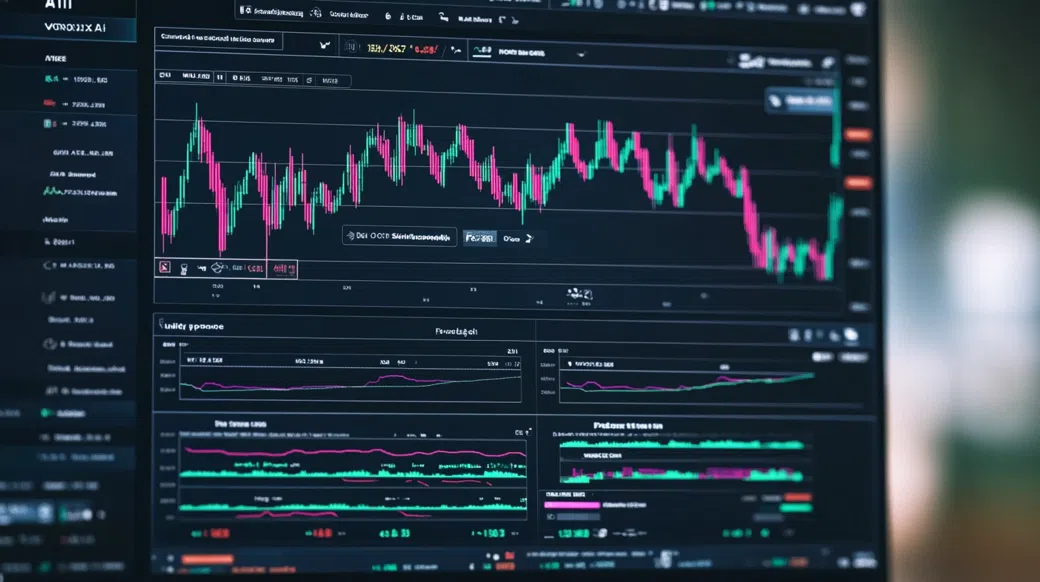
From a trader’s seat, the WebTrader is the core product: stable session handling, a clean watchlist, and enough order control for CFDs (market, limit, stop, plus stop-loss/take-profit attachment). I stress-tested execution with a small EUR/USD position during the Asia-to-London handoff and saw fills go through without requotes, though slippage still appeared when the quote flickered around a fast tick—normal for leveraged CFD flow. If you’re coming from MT4/MT5, you’ll miss the plug-in ecosystem and deep automation community, but the browser build is coherent for manual trading.
The Zentoravesa app mirrors the WebTrader layout well: real-time quotes, quick position edits, and one-tap close for risk trimming. Zentoravesa login on mobile supported biometric unlock on my device, and deposits/withdrawals were reachable from the same menu as account settings. Push alerts were basic (price and order notifications), and chart space is predictably tighter—fine for checking levels, less ideal for multi-indicator analysis.
Charting is serviceable: multiple timeframes, common indicators (MA, RSI, MACD, Bollinger) and straightforward drawing tools for levels and channels. The platform also includes an economic calendar and a compact news feed—useful for timing, not for deep fundamental work. The ceiling shows if you rely on advanced backtesting, custom scripts, or cTrader-style depth views; in that case, this service is more “execution and monitoring” than a full quant workstation.
First impression: the signup flow is short on friction but not sloppy. I entered basic personal details, set account currency, then uploaded a government ID and a proof of address (utility bill dated within three months) to clear KYC; verification was completed the same business day. The broker also prompted a short suitability/risk step, which matters because leverage is offered up to 1:500 and margin calls can arrive quickly when volatility spikes.
For funding, I deposited via USDT to keep the transfer clean and trackable, then switched to card later to compare processing steps. If you plan to withdraw, complete KYC early; the platform treated verification as a gate before payout rather than a formality after the fact.
I approached support with a practical trader question: where to see the daily swap rates for XAU/USD and whether triple-swap applies on specific weekdays. Live chat connected in about three minutes, and the agent pointed me to the instrument-specifications panel plus a margin/financing note for each symbol. I followed up by email asking how internal payout processing works for crypto withdrawals; the ticket reply landed later the same day, a touch under eight hours, with a clear “24–48 hours after KYC” internal timeline.
Coverage is broadly 24/5, which matches the typical rhythm for offshore CFD desks—strong during FX weeks, quieter on weekends. Language support is region-dependent, and phone access wasn’t pushed as a primary channel in my interaction. For urgent issues, live chat is the quickest route; for audit-trail matters like withdrawals, email is better because you get a dated thread.
If you’re considering an offshore CFD account, start by checking the live spread on your main instrument and confirming your country eligibility before sending size. A demo run helps, but the real test is how funding and withdrawals behave with your preferred method.
Visit ZentoravesaIt can be, but only for beginners who treat leverage with respect. The interface is not hard to learn, and a $10,000 demo helps with order practice. Still, offshore leverage up to 1:500 can magnify small mistakes, so position sizing matters more than platform features.
Yes, you can trade crypto CFDs such as BTC/USD and ETH/USD on the platform. These are derivatives, so you don’t receive on-chain coins or a wallet withdrawal of the underlying asset. Expect wider spreads during weekend liquidity pockets.
No—based on my 2026 test, it behaved like a functioning broker (KYC enforced, trades executed, and a withdrawal was processed). The more relevant caution is that it operates offshore (Mauritius FSC), which typically means fewer investor-protection backstops than Tier-1 jurisdictions. Treat it as higher-risk infrastructure and keep balances lean.
No, Zentoravesa is not available to USA residents. The signup funnel flagged the USA as restricted, and KYC would likely block onboarding even if you tried via VPN. If you’re US-based, you’ll need a CFTC/NFA-regulated alternative.
Most withdrawals are processed internally within 24–48 hours once KYC is cleared. After that, delivery depends on the rail: cards typically take 2–5 business days, wires 3–7 business days, while crypto often lands the same day. My USDT test payout hit the destination wallet a few hours after the status flipped to “processed.”
The Zentoravesa minimum deposit is $200. That’s enough to open a live account, but it may not be enough to trade multiple positions safely at 1:500 leverage. If you’re new, use the demo first and size down on the live account.
Yes, there are iOS and Android apps alongside the WebTrader. You can monitor positions, place orders, and handle deposits/withdrawals from mobile. Biometric unlock worked reliably in my testing, which helps if you trade on the move.
Overall Score: 4.0/5
Leverage flexibility and a usable WebTrader make Zentoravesa attractive for tactical CFD traders who already run a tight risk playbook. I liked the tier choice—Standard for casual pace, Raw/ECN-style when you’re trading frequency—and the withdrawal test didn’t throw surprises once KYC was complete. The limitation is structural: offshore status changes the dispute and protection framework, so you should keep capital exposure proportional and withdraw profits routinely. If you trade CFDs, accept the core reality: leverage cuts both ways, and losses can exceed expectations without disciplined stops. For the right profile, Zentoravesa is a credible, chart-first venue.
Best for: active FX/index CFD traders who value higher leverage and simple platforms. Avoid if: you need Tier-1 regulatory protections, deep education, or MT4/MT5-based automation.