Zekere Sparholm Trading Platform Alternatives 2026
Compare Zekere Sparholm alternatives for 2026: regulated brokers, spreads, platforms (MT4/MT5/cTrader), markets, and a safety-first migration checklist.

Compare Zekere Sparholm alternatives for 2026: regulated brokers, spreads, platforms (MT4/MT5/cTrader), markets, and a safety-first migration checklist.
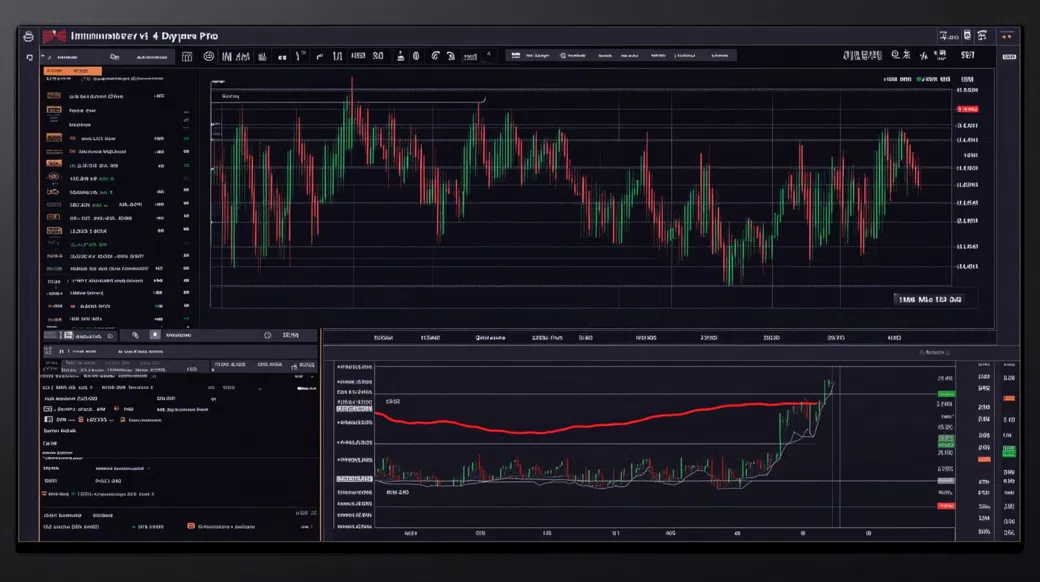
Price action doesn’t care about your broker—but your fill quality does. And in 2026, that’s where many retail traders start reassessing platforms that sit in the offshore end of the CFD spectrum. Zekere Sparholm appears positioned as a CFD-first provider built around a proprietary WebTrader plus mobile apps, typically offering forex, index/commodity CFDs, and often crypto CFDs. The pitch is usually simple onboarding, high leverage (commonly seen up to around 1:500 in this category), and a low barrier to entry (often around a $250 minimum deposit).
The trade-off is rarely in the marketing copy—it’s in the plumbing. Offshore frameworks (often under jurisdictions such as Seychelles FSA) can mean thinner investor-protection layers, fewer formal dispute channels, and less clarity on execution model. If your style is sensitive to spread, slippage, or overnight financing—think short-horizon FX, news-driven index trades, or systematic strategies—those frictions compound faster than most people model.
This guide to Zekere Sparholm alternatives focuses on regulated venues (FCA, ASIC, CySEC, NFA) and the practical questions that matter: what you can trade (real shares vs CFDs), what you’ll pay (round-turn costs, not slogans), and how to migrate without turning operational risk into a margin call.
Disclaimer: This article is for informational purposes only and does not constitute investment advice. CFDs and other leveraged products carry a high risk of loss and may not be suitable for all investors.
From what’s typically observable for offshore CFD providers, Zekere Sparholm sits in the “all-in-one WebTrader” lane: a broker-like interface that routes you into leveraged FX and CFD markets rather than providing broad, exchange-traded access. The product mix tends to prioritize major/minor FX pairs (roughly 30–50), a handful of global indices (around 8–15), select commodities (often 5–10), and a smaller shelf of crypto CFDs (commonly 10–30). This profile generally targets newer-to-intermediate traders who want quick access, tight packaging, and leverage flexibility—while accepting that the framework differs materially from tier-1 regulated venues and their disclosure standards. In practical terms, traders comparing platforms like Zekere Sparholm should treat execution and fund protection as first-order variables, not footnotes.
The proprietary WebTrader experience is usually built around straightforward charting and a clean order ticket. Expect core indicators, basic drawing tools, and common timeframes; enough to mark levels and manage a simple trend/momentum workflow, but not the same depth you’d get on MT5/cTrader or institutional chart packages. Order types are often the essentials—market, limit, stop—sometimes with attached SL/TP. Mobile apps on iOS/Android tend to mirror the web layout, with acceptable parity for monitoring and basic execution. Where traders can feel the ceiling is in workflow speed: multi-chart layouts, advanced alerts, and detailed execution reporting (fills, partials, slippage statistics) are typically lighter than what more mature stacks provide.
Cost structure in this segment commonly leans on spread-first pricing. A typical EUR/USD spread is often seen around ~2.0 pips on a standard-style account, with higher spreads bleeding hardest during volatile sessions. Some offshore peers advertise a “raw” tier; when offered in this category, it’s usually framed as ~0.0–0.4 pips plus a commission (often $6–$8 round-turn). Overnight financing (swap) matters more than most brochures admit—particularly on indices and crypto CFDs—so checking swap tables and triple-swap day policy is critical. Also watch for non-trading fees: withdrawal charges, FX conversion costs, and inactivity policies can be the silent P&L tax.
A clean UI doesn’t compensate for structural risk. The moment you start sizing up—bigger notional, longer holding periods, or more systematic execution—questions shift from “can I place the trade?” to “what happens if something goes wrong?” That’s why Zekere Sparholm alternatives are typically evaluated through a risk lens first: regulatory recourse, client-fund segregation, and the realism of spreads during stress. Costs and tooling come next, but they rarely come first once capital is meaningful.
Selection works best as a fit-to-strategy exercise: define what you trade, how you execute, and what risks you refuse to carry. Only then compare brokers. For traders filtering alternatives to the Zekere Sparholm trading platform, I’d split the work into five buckets—safety, markets, cost, platform/execution, and operational experience—then score each broker against your non-negotiables.
Start with the regulator’s public register, not a logo on a landing page. FCA (UK), ASIC (Australia), CySEC (Cyprus/EU), and NFA/CFTC (US) each impose different rules, but the direction of travel is the same: capital requirements, conduct oversight, and client-money handling. In the UK, eligible accounts may fall under the FSCS (up to £85,000), while CySEC-linked entities may be tied to the ICF (up to €20,000). Segregated client funds and clear negative balance protection policies are not “nice to have” when markets gap.
Match the product shelf to the job. FX-only traders can live inside majors and a tight index list, but macro-driven portfolios often need bonds, real equities, ETFs, options, or futures. Multi-asset brokers can offer exchange-traded instruments with transparent pricing and corporate actions, while CFD-first brokers keep you in synthetic exposure. If your plan includes dividend capture, options hedging, or duration trades, prioritize brokers that provide direct market access instead of CFD proxies.
Spreads are only one line item. The proper comparison is round-turn: spread + commission + expected slippage + swap. For active FX, a move from ~2.0 pips to a raw-style 0.0–0.4 pip + commission model can change monthly expectancy more than switching indicators ever will. Long-hold traders should scrutinize overnight financing and how it scales across indices/commodities. Also budget for inactivity fees, deposit/withdrawal charges, and currency conversion—those are operational costs, not trading skill.
Platform choice is really a choice of tooling and execution pathways. MT4/MT5 and cTrader bring mature ecosystems—EAs, custom indicators, VPS hosting—while proprietary stacks can be smoother for beginners but thinner for advanced workflows. Execution model matters: market maker vs STP/ECN/DMA changes how orders are handled in fast markets. Measure what you can: average spreads at your trading hours, frequency of requotes, and slippage around news. For a realistic benchmark, compare your logs against brokers similar to Zekere Sparholm, then against tier-1 venues with deeper liquidity relationships.
Operational reliability shows up in small moments: how quickly support resolves a payment query, whether documents clear without endless loops, and whether the platform stays stable during volatility. Look for clear service hours, multilingual coverage, and a help center that explains margin calls, swap calculations, and order handling in plain language. Mobile parity matters if you manage risk on the move; so does the quality of statements and export tools for tax and performance analysis.
The core offering is typically FX and CFDs, with leverage sometimes marketed as high as 1:500. That sounds empowering until you model drawdowns: at 1:500, small price noise can translate into large equity swings, and a weekend gap can skip your stop. Instrument breadth is usually adequate (roughly 30–50 FX pairs plus indices/commodities), but the real differentiator is cost and execution. If EUR/USD sits around ~2.0 pips on a standard-style account, frequent traders effectively pay a “spread tax” on every entry and exit. Regulated FX specialists like Pepperstone or IC Markets tend to provide raw/commission pricing options with tighter spreads in liquid hours, plus mature platform stacks (MT4/MT5/cTrader) that make logging, alerts, and automation less painful. On the macro side, IG is often strong on index CFD coverage and research tooling—useful when your chart is aligned but the calendar is dangerous.
Stock and ETF access is where many offshore CFD platforms show their limits. Even when “stocks” are listed, the exposure is frequently via CFDs—no shareholder rights, no voting, and corporate actions handled as cash adjustments. For traders who want to build longer-horizon positions, hedge with listed options, or run a proper multi-asset book, that distinction matters. Interactive Brokers is the cleanest pivot if you need breadth: real equities and ETFs across venues, plus listed options and futures in one account (subject to eligibility). Saxo Bank is another strong alternative for investors who want a curated but deep multi-asset setup with robust reporting. If your objective is simply short-term equity index exposure, then CFD-focused names like CMC Markets can still fit—but treat it as trading exposure, not ownership.
Crypto access on offshore CFD platforms is commonly delivered as crypto CFDs, meaning you’re trading price movement rather than holding coins on-chain. That can be perfectly valid for short-term directional trades, but it’s a different product: no withdrawals to wallets, no staking, and financing costs can dominate if you hold positions. For regulated options versus Zekere Sparholm, IG and Plus500 are examples of brokers that often provide crypto CFDs in jurisdictions where permitted, wrapped in stronger oversight and clearer risk disclosures. If crypto is a side pocket inside a broader macro book, multi-asset access at Saxo or IBKR can help you keep risk consolidated—though the exact crypto offering varies by region and regulation. Bottom line: decide whether you need ownership, or just delta exposure, then pick the venue that matches that intent.
Regulation: SEC/FINRA (US), FCA (UK), IIROC (Canada)
Markets: Stocks, ETFs, options, futures, bonds, FX
Fees: FX spreads typically competitive (often from ~0.2–0.6 pips equivalent, depending on venue/size); commissions vary by product and region
Platform: Trader Workstation (TWS), IBKR Desktop/Mobile, Client Portal, API
Best For: Multi-asset traders who want real-market access and professional tooling
Regulation: FCA (UK), ASIC (Australia), CySEC (EU), DFSA (Dubai)
Markets: FX, CFDs (indices, commodities, some crypto CFDs where permitted)
Fees: Standard spreads commonly from ~1.0 pip; Razor/Raw-style pricing often ~0.0–0.3 pips + commission (about $6–$7 round-turn)
Platform: MT4, MT5, cTrader, TradingView integration (availability varies), mobile apps
Best For: Cost-sensitive FX traders who care about execution and automation
Regulation: FCA (UK), MAS (Singapore), DFSA (Dubai)
Markets: Stocks, ETFs, bonds, options, futures, FX, CFDs
Fees: Pricing varies by tier; FX spreads often from ~0.6 pips on major pairs (with better tiers for higher activity); commissions apply on exchange-traded products
Platform: SaxoTraderGO, SaxoTraderPRO
Best For: Portfolio-style traders combining macro views with multi-asset risk control
Regulation: FCA (UK), ASIC (Australia), MAS (Singapore)
Markets: CFDs (indices, FX, commodities, shares), spread betting (UK/IE), limited exchange access in some regions
Fees: FX spreads often from ~0.6–1.0 pips on majors (account/region dependent); overnight financing applies on CFDs
Platform: IG Web Platform, mobile apps, MT4 (where offered)
Best For: Index and macro event traders who value research and broad CFD coverage
Regulation: ASIC (Australia), CySEC (EU)
Markets: FX, CFDs (indices, commodities, some crypto CFDs where permitted)
Fees: Raw spreads often ~0.0–0.3 pips on EUR/USD + commission (commonly around $6–$7 round-turn); standard pricing typically higher
Platform: MT4, MT5, cTrader
Best For: High-frequency and scalping styles that need tight spreads
Regulation: FCA (UK), ASIC (Australia), BaFin (Germany)
Markets: CFDs (FX, indices, commodities, treasuries, shares)
Fees: FX spreads often from ~0.7 pips on major pairs (region/account dependent); share CFD costs include spread and/or commission depending on market
Platform: Next Generation platform, mobile apps; MT4 on selected offerings
Best For: Chart-first discretionary traders who want strong platform analytics
| Platform | Regulation | Main Markets | Typical Costs | Best For |
|---|---|---|---|---|
| Interactive Brokers (IBKR) | SEC/FINRA, FCA, IIROC | Real stocks/ETFs, options, futures, bonds, FX | Product-based commissions; FX often tight (~0.2–0.6 pip equiv. varies) | Multi-asset traders who want real-market access and professional tooling |
| Pepperstone | FCA, ASIC, CySEC, DFSA | FX + CFDs (indices/commodities; crypto CFDs where allowed) | Std ~1.0+ pip; Raw ~0.0–0.3 pip + ~$6–$7 RT | Cost-sensitive FX traders who care about execution and automation |
| Saxo Bank | FCA, MAS, DFSA | Multi-asset: stocks/ETFs, options/futures, FX, CFDs, bonds | Tiered pricing; FX often from ~0.6 pip; exchange commissions apply | Portfolio-style traders combining macro views with multi-asset risk control |
| IG | FCA, ASIC, MAS | CFDs across FX/indices/commodities/shares; spread betting (UK/IE) | FX often ~0.6–1.0 pip (varies); financing on leveraged positions | Index and macro event traders who value research and broad CFD coverage |
| IC Markets | ASIC, CySEC | FX + CFDs (indices/commodities; crypto CFDs where allowed) | Raw ~0.0–0.3 pip + ~$6–$7 RT; standard higher | High-frequency and scalping styles that need tight spreads |
| CMC Markets | FCA, ASIC, BaFin | CFDs (FX, indices, commodities, shares) | FX often from ~0.7 pip (varies); share CFD pricing depends on market | Chart-first discretionary traders who want strong platform analytics |
Switching brokers is a process trade, not a punt. You’re reducing platform and counterparty risk while keeping market risk contained—and that means sequencing matters. Before you pull capital from Zekere Sparholm, line up the replacement account, test execution with small size, and assume there’s no such thing as “position transfer” in retail CFDs. If you rush, leverage amplifies operational mistakes the same way it amplifies P&L.
If you’re still weighing competitors to Zekere Sparholm, it can help to review the current onboarding terms and supported regions before committing time to comparisons. Check the platform stack, funding methods, and product list—and then benchmark it against the regulated picks above on cost and execution.
Visit Zekere SparholmThe best choice depends on whether you need real multi-asset access or mainly FX/CFDs. For broad, exchange-traded markets, Interactive Brokers and Saxo Bank are often the strongest Zekere Sparholm alternatives in 2026. For FX-focused traders prioritizing tight pricing and MT4/MT5/cTrader ecosystems, Pepperstone or IC Markets are typically better fits than offshore platforms.
Zekere Sparholm appears to operate under an offshore framework (commonly seen under jurisdictions such as Seychelles FSA), which generally provides fewer investor-protection mechanisms than FCA/ASIC/CySEC/NFA-regulated firms. That doesn’t automatically mean you can’t trade, but it does change the risk profile around fund safeguarding, dispute resolution, and disclosures. Traders comparing regulated options vs Zekere Sparholm should prioritize segregated client funds policies and clear negative balance protection terms.
With offshore CFD platforms, stocks are often offered as CFDs (if offered at all), and listed futures access is typically not part of the standard retail package. Crypto exposure is commonly via crypto CFDs—price exposure without on-chain ownership. If you want real stocks/ETFs, options, or futures, brokers similar to Zekere Sparholm generally won’t match what IBKR or Saxo can provide on the exchange-traded side.
Before switching, confirm the new broker’s legal entity on the regulator’s public register, then complete KYC so you can fund and trade immediately. Next, compare round-turn costs (spread + commission + swaps) and test slippage on a small deposit to see how the platform behaves during your trading hours. Finally, export statements and trade history first, then withdraw using compliant payment rails to avoid avoidable delays—this is the operational side of picking Zekere Sparholm trading platform alternatives 2026.
About the Author: Daniel Okafor is a derivatives trader turned market analyst based in Singapore, covering APAC brokerages and global macro trends. He focuses on execution, costs, and market structure—because charts are only useful if your broker can fill the trade you planned.
Keyword note: This article discussed Zekere Sparholm alternatives, best Zekere Sparholm alternatives 2026, and platforms like Zekere Sparholm within a regulated-broker comparison framework.