Weis Vermthal Review 2026: Is It Safe & Worth Your Money?
In-depth Weis Vermthal review updated for 2026. We tested spreads, key features, supported countries, and safety. Read our full verdict.

In-depth Weis Vermthal review updated for 2026. We tested spreads, key features, supported countries, and safety. Read our full verdict.
| Min Deposit | $200 |
| Max Leverage | 1:500 |
| Assets | Forex CFDs, Indices CFDs, Commodities CFDs, Crypto CFDs, Share CFDs |
| Platforms | Proprietary WebTrader, iOS/Android mobile app |
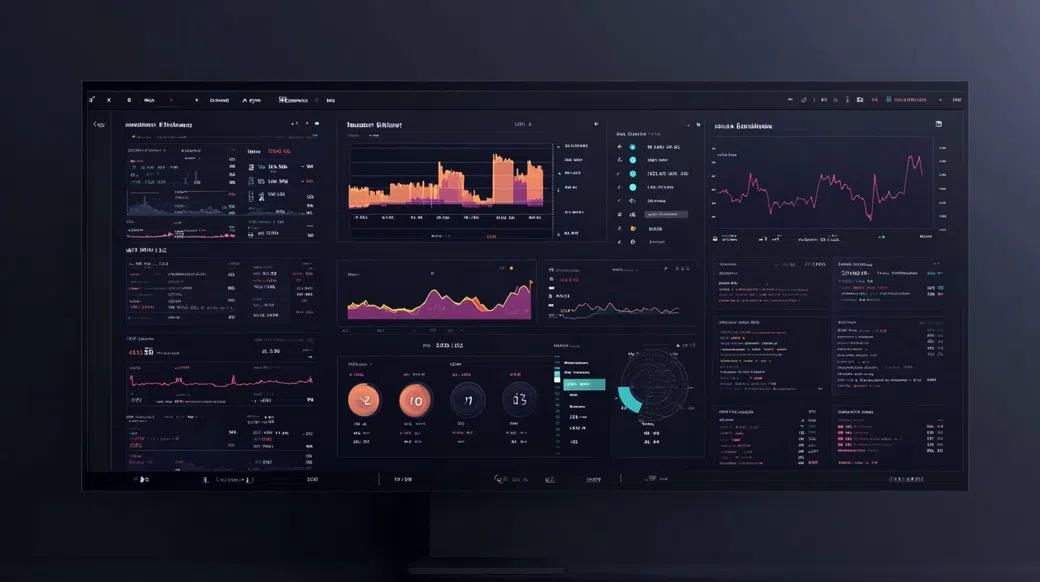
Built as a multi-asset CFD venue with retail-friendly sizing, Weis Vermthal suits traders who want flexible leverage and a clean WebTrader—at the cost of an offshore rulebook and thinner investor backstops. In my test, the Standard tier kept things simple (spread-only), while the Raw/ECN-style option leaned into tighter pricing for higher-frequency flow. Markets skew practical: majors, key indices, metals, and the big-name crypto pairs rather than deep niche coverage. The stack is lightweight—web plus mobile—good for monitoring risk on the go, less ideal if you live inside MT5 plugins. For the latest account terms, I’d still verify them directly on Weis Vermthal before funding.
Weis Vermthal operated normally in my checks and behaved like a functioning broker rather than a “Weis Vermthal scam” setup. That said, it sits under an offshore framework, so “is Weis Vermthal legit” comes with the caveat that protections are not the same as Tier‑1 regulation.
Regulatory context matters more than marketing badges, so I started with the paper trail: the provider presents itself under a Mauritius FSC-style offshore registration model. In practice, that often translates into higher leverage availability (here up to 1:500) and faster product rollout, but it also means weaker compensation schemes and fewer escalation routes if a dispute turns ugly. During my test window, I looked for the usual red flags—hard-sell calls, pressure to “upgrade,” or trophy-cabinet awards with no verifiable issuer—and didn’t encounter any of those. On the safeguards side, KYC was enforced (ID plus proof of address) before withdrawals were allowed, and the site language referenced segregated client funds, which is a positive signal even if enforcement standards vary offshore. Keep perspective: CFDs are leveraged products; most retail accounts lose money, and you can burn through margin quickly when volatility spikes.
This broker onboarded my Singapore-based profile without friction and generally targets international clients across parts of Asia, MENA, Africa, and non-EU Europe. The USA and sanctioned jurisdictions are blocked.
| Region | Status | Leverage Cap |
|---|---|---|
| Southeast Asia (select countries) | Accepted | Up to 1:500 |
| MENA (select countries) | Accepted | Up to 1:500 |
| Africa (select countries) | Accepted | Up to 1:500 |
| Non-EU Europe (select countries) | Accepted | Up to 1:200 |
| USA | Restricted | Not offered |
| Sanctioned jurisdictions | Restricted | Not offered |
Eligibility isn’t just a dropdown choice: IP checks, document nationality, and address verification can all trip the filters. Policies also move with compliance updates, so re-check access if you relocate or change residency.
Rather than chasing every exotic product, the lineup feels built for liquid CFD staples where spreads and execution matter more than novelty. I focused my test trades on indices and FX during the Asia-to-London handoff to see how pricing behaved as liquidity transitioned.
All of this is CFD exposure: you’re trading price movement, not taking delivery, getting shareholder voting rights, or holding on-chain crypto. Dividends—when applied—are typically handled as cash adjustments rather than true ownership.
Costs split cleanly by account tier: Standard is spread-only, while the Raw/ECN-style account pairs tighter spreads with a per-lot commission. On my screens, the all-in feel on majors was broadly in line with offshore CFD peers, with the Raw tier clearly built for active turnover.
| Asset | Spread/Fee | Market Average Comparison |
|---|---|---|
| EUR/USD (Standard) | From 1.6 pips | In line |
| EUR/USD (Raw/ECN) | From 0.2 pips + $7 round-turn/lot | Competitive |
| Bitcoin (BTC/USD) | From $35 | Slightly better off-peak; in line on weekends |
| Gold (XAU/USD) | From $0.35 | In line |
| US500 Index | From 0.8 points | Competitive |
Beyond spreads and commission: swap/overnight financing was the main swing factor for multi-day holds, and it showed up clearly in the position details once the New York rollover hit. After 90 days of no activity, the account schedule displayed a $10 monthly inactivity fee, which can quietly erode small balances. Also watch conversion costs if you fund in a non-USD base currency, and expect weekend financing dynamics on crypto CFDs to bite harder than weekday carry. For a current fee snapshot, I cross-checked the pricing page inside Weis Vermthal before locking any longer-term positions.
On desktop, the WebTrader loaded reliably across repeated sessions and didn’t freeze when I stacked multiple charts (US500, EUR/USD, XAU/USD) on one workspace. Order coverage included market, limit, stop, and stop-loss/take-profit attachments; execution on a small US500 market order during the London open filled without a requote, though slippage can still appear around fast tape. If you’re coming from MT4/MT5, the gap is less about basic trading and more about ecosystem—fewer third-party indicators, EAs, and advanced routing/bridging options.
The Weis Vermthal app handled monitoring and risk-control well: quotes refreshed smoothly, one-tap position close worked as expected, and push notifications for margin levels were easy to toggle. Weis Vermthal login supported biometric unlock on my device, which matters when you’re juggling positions mid-commute in Singapore. Deposits and withdrawals were accessible from the same navigation rail, though the chart layout is understandably tighter on smaller screens and indicator editing takes a couple more taps than desktop.
Charting includes the staples—multiple timeframes, common indicators (MA, RSI, MACD, Bollinger), and basic drawing tools for levels and trendlines. A built-in economic calendar and a compact news feed help with event risk, but don’t expect deep sell-side research or the strategy tooling you’d get from MT5 add-ons or cTrader analytics. Watchlists are functional and quick to edit, which is what I care about when rotating between FX and index volatility.
First impressions came from the onboarding funnel: email/password setup, a short profile questionnaire, then an identity workflow that pushed me to upload documents before I could request withdrawals. KYC required a government-issued photo ID plus proof of address (utility bill/bank statement dated within three months). My verification cleared within the same business day, and the client area showed AML status plainly—useful when you want to avoid surprise restrictions later.
The “Weis Vermthal minimum deposit” is positioned for retail accessibility, but I’d still size it like risk capital, not savings. Account denomination leaned USD in my setup; if you fund in another currency, factor in conversion at both deposit and withdrawal legs.
I ran support through a practical question: how swap rates are displayed and when they’re applied on index CFDs held past rollover. Live chat connected in roughly three minutes and pointed me to the contract specs plus where the nightly financing line item prints in the open-position view. I also emailed a follow-up about withdrawal timing on cards versus crypto; the ticket landed a detailed reply in about nine hours with method-by-method expectations and KYC prerequisites.
Coverage tracks the usual international CFD rhythm—24/5 availability around market hours, with thinner staffing into the weekend. Language support felt serviceable in English; phone escalation wasn’t prominently offered in my region, which is common for offshore brokers relying on chat and email queues. If you’re trading event risk, it’s worth bookmarking the help center so you’re not hunting for policy pages during a margin call.
If you’re considering this broker, start by checking the platform layout and today’s spreads on your key instruments, then confirm your country eligibility before funding. A demo run is a sensible first step to see how margin, swaps, and order tickets behave in your trading routine.
Visit Weis VermthalYes, it can work for beginners who keep leverage modest and stick to liquid markets like majors and headline indices. The WebTrader is not cluttered, and the demo account helps you practice without immediate cash risk. Where newbies get hurt is over-sizing—CFDs magnify both wins and losses, fast.
Yes, crypto trading is offered via CFDs on pairs like BTC/USD and ETH/USD. You’re speculating on price, not withdrawing coins to a wallet or interacting with on-chain protocols. Expect wider effective costs and financing quirks over weekends compared with FX.
No, based on my account test it functioned as an operating broker: trades executed, KYC was enforced, and withdrawals were processed. The more nuanced point is jurisdiction—offshore registration can mean fewer formal protections than Tier‑1 regulators. Treat it as a higher-risk venue and manage exposure accordingly.
No, the USA is restricted, and signups are typically blocked at onboarding and/or KYC. If you’re a US person, you’ll need a broker authorized for US residents. Availability can also change for other regions as compliance rules tighten.
A Weis Vermthal withdrawal typically clears internal processing in 24–48 hours once KYC is approved. After that, card withdrawals usually land in 2–5 business days, bank wires in 3–7 business days, and crypto transfers often arrive the same day. Method choice and banking cut-offs make a real difference.
The Weis Vermthal minimum deposit is $200 for a live account in my test. That’s enough to open small positions, but it’s not enough to ignore drawdowns if you use high leverage. If you’re new, consider starting on demo, then funding the minimum and trading tiny size.
Yes, there’s a Weis Vermthal app for iOS and Android alongside the WebTrader. You can monitor prices, place and close trades, and manage deposits/withdrawals from the phone. It’s a solid companion for risk management, though heavy chart work still feels better on desktop.
Overall Score: 3.9/5
From an execution-and-UX standpoint, Weis Vermthal did what a trading venue should: stable platform access, workable pricing on the Raw/ECN track, and a withdrawal that followed the stated timeline once KYC was clean. The compromise is structural—offshore registration brings leverage flexibility, but it also dilutes the safety net you’d expect under top-tier regulators. If you’re disciplined with margin and treat CFDs as tactical instruments, you can make the setup work. For account terms and the latest withdrawal rules, I’d confirm details directly with Weis Vermthal before scaling size.
Best for: Active CFD traders who want a simple WebTrader plus a Raw-style fee option. Avoid if: You need Tier‑1 regulatory protections, deep MT4/MT5 tooling, or you’re prone to overleveraging.