Wealthorex Review 2026: Is It Safe & Worth Your Money?
In-depth Wealthorex review updated for 2026. We tested spreads, key features, supported countries, and safety. Read our full verdict.

In-depth Wealthorex review updated for 2026. We tested spreads, key features, supported countries, and safety. Read our full verdict.
| Min Deposit | $200 |
| Max Leverage | 1:500 |
| Assets | Forex, Indices, Commodities, Crypto CFDs, Share CFDs |
| Platforms | Proprietary WebTrader + iOS/Android mobile apps |
Built as an offshore-style CFD venue, Wealthorex suits traders who want multi-asset access and higher leverage, but it asks you to accept lighter investor protections than a top-tier regulated broker. In my test account, the pricing was split between a spread-only Standard tier and a tighter-spread Raw/ECN-style tier with commission—useful if you actually track all-in costs. The product mix leans practical: majors for FX liquidity, US indices for macro expression, and crypto CFDs for after-hours volatility. Execution and charts live inside a proprietary WebTrader plus the mobile stack, which keeps it simple but doesn’t replicate the MT4/MT5 ecosystem. For a quick platform look-through, start here: Wealthorex.
Wealthorex operated as a functioning broker in my 2026 checks, with trades executing and withdrawals processing—so it didn’t present like an outright “Wealthorex scam.” The caveat is structure: it runs under an offshore framework, which can be legitimate operationally while still offering fewer guardrails than FCA/ASIC-style regimes.
The account area and legal footer pointed to oversight via the Mauritius FSC, a jurisdiction many international CFD providers use to serve non-EU clients with higher leverage. In practice, that trade-off cuts both ways: you may get 1:500 leverage and broad access, but you usually don’t get robust compensation schemes or easy regulator-led mediation if a dispute turns messy. My red-flag scan focused on two things: whether the platform pushed aggressive “account manager” pressure and whether withdrawals were obstructed; I didn’t see forced upsells, and a small test withdrawal cleared after KYC. Safeguard-wise, the provider did enforce identity checks (ID + proof of address) and referenced segregated client funds in its disclosures. Remember: CFDs are leveraged products; losses can exceed expectations quickly, and most retail traders lose money.
The broker primarily onboards clients across parts of Asia, Africa, and LATAM, with availability depending on local rules and internal policy. The USA is not supported, and sanctioned jurisdictions are blocked.
| Region | Status | Leverage Cap |
|---|---|---|
| Southeast Asia (select countries) | Accepted | Up to 1:500 |
| Sub-Saharan Africa (select countries) | Accepted | Up to 1:500 |
| LATAM (select countries) | Accepted | Up to 1:500 |
| MENA (non-sanctioned) | Accepted | Up to 1:500 |
| USA | Restricted | Not offered |
| Sanctioned jurisdictions | Restricted | Not offered |
Eligibility was checked through a mix of signup declarations and KYC review; the system flagged country selection changes inside the profile. Policies can shift, so confirm access before depositing—especially if you’re traveling or using a foreign ID.
Instead of trying to be everything to everyone, this platform feels designed for the typical CFD rotation: FX for liquid entries, indices for macro themes, and metals/crypto for volatility bursts.
All exposure is via CFDs, so you’re trading price movement rather than owning the underlying asset. That means no shareholder rights for share CFDs and no on-chain transfers for crypto.
Costs at Wealthorex come down to account choice: Standard is spread-only, while the Raw/ECN-style tier tightens spreads and adds a per-lot commission. On balance, the all-in pricing I saw sits in the middle of the offshore CFD pack—fine for active intraday work if you pick the right tier, less compelling if you trade small size on Standard.
| Asset | Spread/Fee | Market Average Comparison |
|---|---|---|
| EUR/USD (Standard) | From 1.6 pips | Roughly in line |
| EUR/USD (Raw/ECN) | From 0.2 pips + $7 round-turn | Competitive |
| Bitcoin (BTC/USD) | From 0.35% | In line to slightly higher on quiet hours |
| Gold (XAU/USD) | From $0.30 | Competitive |
| US500 Index | From 0.8 points | In line |
Non-spread costs to watch: swaps/overnight financing materially changed the P&L on multi-day FX holds, and crypto carried weekend financing that adds up if you “park” positions. The broker also applied an inactivity fee of $10 per month after 90 days without trading, which is the kind of slow leak long-term investors forget about. Finally, funding in a non-account currency can introduce conversion costs, and some withdrawal rails may have third-party fees depending on the method.
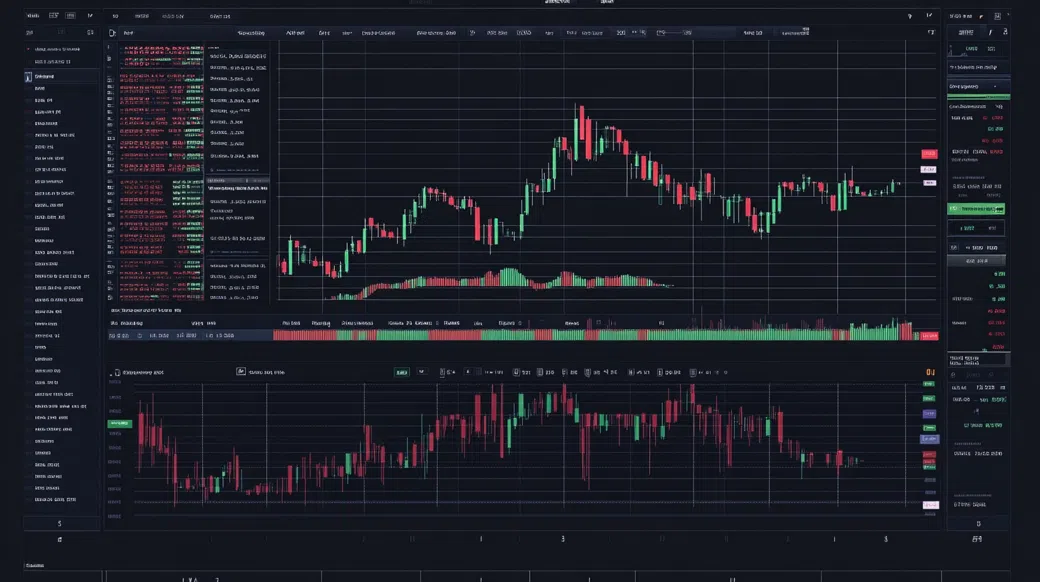
From Singapore hours, I used the WebTrader mainly through the Asia-to-London transition to see if quotes and sessions stitched cleanly. Login stayed stable, charts loaded quickly, and order entry covered the essentials (market, limit, stop, plus SL/TP). What you don’t get is the deep third‑party add-on universe you’d associate with MT4/MT5; this is a self-contained setup, better for clean execution than heavy automation.
The Wealthorex app handled the basics without fuss: live quotes, watchlists, and one-screen position management with quick edits to stops. I tested Wealthorex login with biometric unlock on Android, and it consistently resumed sessions without looping back to the credential screen. Deposits and withdrawals are accessible in-app, and push notifications can be set for order status—useful if you’re managing risk while away from the desk. The main quirk: deep chart annotations feel cramped on smaller screens.
Charting is serviceable: multi-timeframe views, common indicators (MA, RSI, MACD, Bollinger), and basic drawing tools were enough for directional setups. An integrated economic calendar and news feed help with event risk, though it’s not a full research terminal. Alerts and clean watchlists are the best “trader utility” features here; advanced strategy testing still belongs in MT5 or a dedicated analytics stack.
My onboarding started with the usual identity scaffolding—email, password, country selection—followed by a short suitability-style questionnaire focused on leverage and risk. KYC required a government-issued photo ID and a recent proof of address (I used a bank statement dated within three months), and verification landed the same business day. Funding was enabled immediately after approval, and the client portal kept AML status visible so you’re not guessing what’s pending.
For traders asking about the Wealthorex minimum deposit, $200 is enough to test position sizing under 1:500 leverage—but keep margin discipline tight. I funded via USDT to measure speed, then ran a small FX ticket to confirm order behavior before scaling any size. If you want to replicate the workflow, the cleanest path is to open a demo first, then move to live once KYC is fully green-lit.
I leaned on support twice: first through live chat to clarify how swap rates are displayed for FX pairs, then via email to confirm withdrawal sequencing after verification. Chat came back in roughly three minutes with a clear pointer to the contract-spec panel; the agent also explained that rollover is applied at the platform’s server time, not local time. The email ticket took around eight hours on a weekday and included a step-by-step list of what can delay a cashout (KYC mismatch, third-party payment method, or compliance review).
Coverage is broadly 24/5, which fits the FX week and the busiest index sessions, but don’t expect full weekend staffing even if crypto CFDs trade. Language availability felt functional for international clients, though depth varies by shift. Phone support wasn’t prominent in my region; this service leans on chat and email, consistent with many offshore brokers serving APAC.
If you’re considering this broker, treat it like a trading tool test: open a demo, compare Standard vs. Raw pricing on your usual instruments, then run a small deposit/withdrawal cycle to validate operations in your country before committing meaningful capital.
Visit WealthorexIt can be, provided you keep leverage conservative and start on demo first. The WebTrader layout is simpler than pro-grade platforms, and the $200 entry point is manageable. Beginners should still watch swaps, spreads during volatile windows, and margin call mechanics.
Yes, crypto is offered as CFDs, including BTC and ETH. You’re trading price exposure rather than holding coins, so there’s no wallet transfer or on-chain withdrawal. Weekend financing and wider spreads can matter more in crypto than in FX.
No—based on my 2026 use, it behaved like an operating broker: KYC was enforced, trades executed, and a small withdrawal processed. The bigger issue is not “scam” versus “not scam,” but the offshore framework and what that means for protections and dispute escalation. Always size positions assuming CFDs are high risk and leverage magnifies losses.
No, the USA is restricted. If you attempt signup with US residency details, the platform should block onboarding during the eligibility checks. US residents generally need a broker registered with US regulators for derivatives access.
Withdrawals were queued within 24–48 hours after KYC in my test. After that, receipt time depends on the rail: cards typically take 2–5 business days, wires can run 3–7 business days, and crypto payouts are often same-day. Delays usually come from compliance checks or mismatched payment ownership.
The Wealthorex minimum deposit is $200. That’s enough to test fills, spreads, and the withdrawal process, but it’s not a license to overtrade—1:500 leverage can liquidate small accounts quickly. Consider starting with smaller position sizes and strict stop placement.
Yes, it offers iOS and Android apps alongside the WebTrader. The mobile build supports monitoring, order placement, and account actions like deposits and withdrawals. For heavy chart work, desktop still feels cleaner.
Overall Score: 4.0/5
Execution and workflow matter more than marketing, and on that score Wealthorex held up: I could fund, trade, and pull money back out without theatrics, while the Raw/ECN-style pricing is credible for active FX/index traders. The trade-off remains jurisdictional—offshore oversight (Mauritius FSC in my checks) typically means fewer formal protections if something goes wrong, so you need stricter self-governance around leverage and risk. If you’re comfortable treating it as a tactical CFD venue rather than a long-term “banking” relationship, it’s a reasonable shortlist candidate. More details and current terms are here: Wealthorex.
Best for: active CFD traders who track all-in costs and want higher leverage on major markets. Avoid if: you require Tier-1 regulation, deep MT4/MT5 tooling, or you plan to hold leveraged positions for weeks while paying swaps.