Vlna Kapitisk Review 2026: Is It Safe & Worth Your Money?
In-depth Vlna Kapitisk review updated for 2026. We tested spreads, key features, supported countries, and safety. Read our full verdict.

In-depth Vlna Kapitisk review updated for 2026. We tested spreads, key features, supported countries, and safety. Read our full verdict.
| Min Deposit | $200 |
| Max Leverage | 1:500 |
| Assets | Forex, Indices, Commodities, Crypto CFDs, Share CFDs |
| Platforms | Proprietary WebTrader + iOS/Android mobile apps |
Built like a classic offshore CFD venue, Vlna Kapitisk targets active retail traders who want broad markets and high leverage, with the clear trade-off being lighter investor protections than top-tier regulated brokers. I ran it through a small, real-money workflow on Vlna Kapitisk—opened a verified profile, funded, executed a few liquid instruments, and then pulled funds back out to see how the plumbing behaves. The account menu splits into a spread-only option and a tighter-spread, commission-based tier, which matters once you start sizing up. Market coverage leans macro: FX, gold, major indices, plus crypto CFDs for out-of-hours volatility. The WebTrader is competent for execution and monitoring, but the research stack stays basic.
Vlna Kapitisk did not behave like a “disappearing broker” in my checks—it’s operational, executes trades, and processed a test withdrawal. That said, it sits in an offshore framework, so “safe” depends heavily on your own risk controls and expectations around recourse.
Regulatory posture is the first filter I use, and this provider presents itself as operating under a Mauritius FSC-style offshore registration model. In practice, that often means more flexible leverage and product breadth, but fewer statutory protections: complaint escalation can be slower, compensation schemes (if any) are not on the same footing as FCA/ASIC-style regimes, and you should assume enforcement is lighter. During my trial window, I scanned for the usual red flags—pushy “account manager” calls, flashy unverifiable awards, or friction when trying to withdraw—and didn’t see the hard-sell routine. KYC was enforced (ID plus proof of address), and the legal pages referenced segregated client funds language, which is a positive signal even if it’s not a guarantee. Remember: CFDs are leveraged products and most retail accounts lose money; treat margin like a tool, not a shortcut.
This broker is generally accessible across parts of Southeast Asia, Africa, and LATAM, with onboarding routed through standard KYC checks. The USA is not supported, and sanctioned jurisdictions are typically blocked.
| Region | Status | Leverage Cap |
|---|---|---|
| Southeast Asia (selected countries) | Accepted | Up to 1:500 |
| LATAM (selected countries) | Accepted | Up to 1:500 |
| Africa (selected countries) | Accepted | Up to 1:500 |
| Europe (non-EU/EEA select) | Accepted | Up to 1:200 |
| USA | Restricted | Not offered |
| Sanctioned jurisdictions | Restricted | Not offered |
Eligibility is enforced through a mix of sign-up declarations, document verification, and payment-rail checks; if your documents don’t match the supported list, the account won’t clear. Country coverage can shift with compliance policy, so it’s worth re-checking before you fund.
From a trader’s seat, the lineup reads “macro first, satellites second”: liquid FX pairs and index CFDs form the core, with commodities and crypto CFDs used to express risk-on/risk-off shifts.
All of this is CFD exposure: you’re trading price moves with leverage, not taking ownership of shares, not receiving true shareholder rights, and not withdrawing on-chain crypto. That distinction matters for dividends, custody risk, and long-hold costs.
Vlna Kapitisk fees are built around two tracks: a Standard account with spread-only pricing and a Raw/ECN-style option that narrows spreads and adds a per-lot commission. On liquid majors, the all-in cost can be competitive for active traders, while casual traders will mostly feel it through the wider Standard spread.
| Asset | Spread/Fee | Market Average Comparison |
|---|---|---|
| EUR/USD (Standard) | From 1.6 pips | In line with offshore CFD peers |
| EUR/USD (Raw/ECN) | From 0.2 pips + $7 round-turn/lot | Competitive for commission-based accounts |
| Bitcoin (BTC/USD) | From $35 | Typical; can widen in fast markets |
| Gold (XAU/USD) | From $0.25 | About average for retail CFD pricing |
| US500 Index | From 0.8 points | Generally competitive in liquid hours |
Non-spread costs to watch: Overnight swap/financing is the quiet P&L leak if you hold FX or indices for days, and weekend financing can bite on crypto CFDs. The platform also applies an inactivity fee of $10 per month after 90 days without trading, which changes the math for “set and forget” accounts. Withdrawals may be free on some rails but you still face third-party bank charges or blockchain network fees, plus conversion costs if you fund in one currency and your account is denominated in another.
The WebTrader is built for speed over theatrics: login was stable across several sessions from Singapore, and the order ticket keeps the essentials in view—market, limit, stop, plus stop-loss/take-profit attached at entry. Execution on EUR/USD during the London open felt clean on small tickets, and I didn’t see obvious “price skipping” beyond normal spread expansion when liquidity thinned. If you’re coming from an MT4/MT5 ecosystem, the gap is less about basic trading and more about the plugin/automation universe and third-party analytics.
The Vlna Kapitisk app mirrors the WebTrader layout with real-time quotes, quick-adjust SL/TP, and one-tap position close—useful when volatility spikes during the NY overlap. Vlna Kapitisk login on mobile supports biometric unlock on my device, and deposits/withdrawals are reachable without digging through nested menus. Push notifications for price alerts worked, though I’d like finer controls around alert frequency and volatility-based triggers.
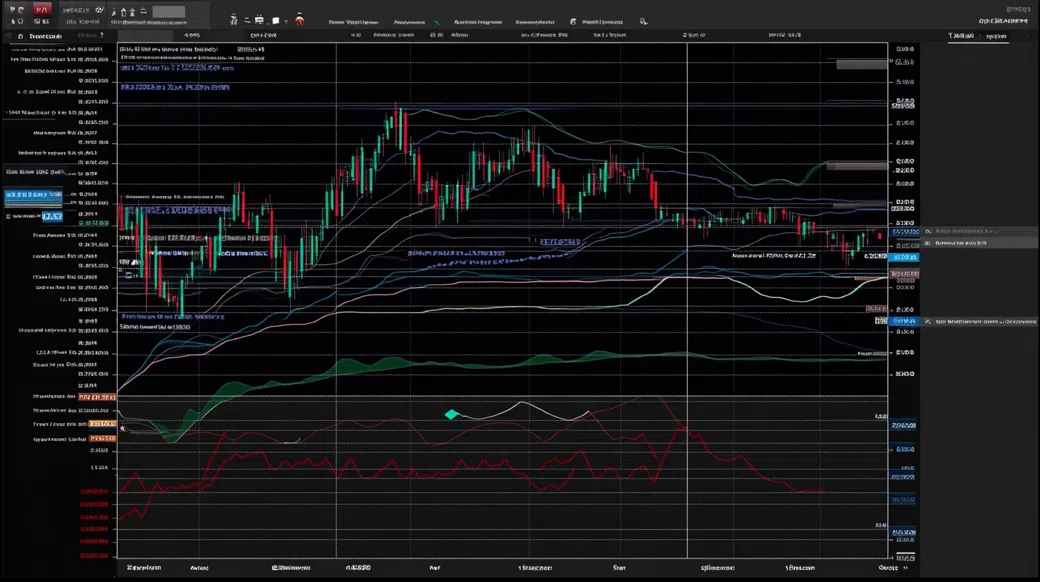
Charts cover the basics: multiple timeframes, common indicators (RSI, MACD, moving averages, Bollinger), and simple drawing tools for levels and trendlines. An economic calendar and a lightweight news feed are integrated, enough to keep you aware of CPI/FOMC risk without leaving the platform. The ceiling is obvious if you rely on deep strategy testing, advanced order routing, or cTrader/MT5-grade tooling—this is a practical execution cockpit, not a quant lab.
My onboarding started with an email + phone entry screen, then a short profile questionnaire (country, experience, and a few AML-style prompts). Verification required a government-issued photo ID and a proof of address dated within three months; the upload module accepted clear JPG/PDF files and flagged glare issues immediately. Approval landed the same business day, which let me move from “registered” to “tradable” without chasing manual follow-ups.
Funding by card credited quickly and generated an on-screen receipt plus email confirmation; the account base currency choice is worth thinking through if you’re paid in SGD but fund in USD to avoid unnecessary conversion drag. KYC is effectively mandatory for withdrawals, so I’d rather clear it upfront than discover friction at the cashout stage.
I tested support with two practical questions: first on live chat about where swap rates are displayed per instrument, then via email asking for typical Vlna Kapitisk withdrawal processing steps after KYC. Chat connected in roughly three minutes and the agent pointed me to the instrument-spec panel and explained that swaps update daily and can differ around rollovers. The email reply came in about eight hours with a concise checklist (verification status, method matching, internal approval window), which was usable rather than salesy.
Coverage is broadly 24/5, which aligns with the CFD week; weekend help is limited and tends to funnel into email queues. Language support felt serviceable in English, but depth will vary by region and staffing. Phone support wasn’t prominently surfaced in my dashboard, so if you need voice escalation as a default, that’s a consideration.
If you’re considering this broker, start by mapping your region eligibility and checking real spreads during your usual trading hours (Asia session vs. London/NY overlap can look very different). A demo run is also a smart way to verify order types, charting comfort, and swap visibility before committing capital.
Visit Vlna KapitiskIt can be, but only if you keep leverage conservative and use the demo first. The interface is not intimidating, and the $10,000 demo helps you learn order mechanics without paying spreads. Beginners should still remember that CFDs amplify losses as easily as gains.
Yes, crypto is available as CFDs, including BTC/USD and ETH pairs. That means you’re trading price exposure with financing/spread costs, not buying coins to withdraw to a wallet. Expect wider spreads around weekend volatility.
No—based on my usage it functioned as a real brokerage service (account verification, trade execution, and withdrawal workflow were in place). The bigger issue is that it operates under an offshore registration model, so legal protections and dispute routes are thinner than at Tier-1 regulated firms. Treat it as higher-risk infrastructure and size accordingly.
No, the platform restricts USA residents. If you’re in the US, you’ll need a broker authorized for US clients under local rules. Attempting to onboard with mismatched documents will typically fail at KYC.
Most withdrawals are approved internally within 24–48 hours after KYC is clear. After that, receipt depends on the rail: cards commonly take 2–5 business days, bank wires around 3–7 business days, and crypto can land the same day. Delays usually come from mismatched payment methods or incomplete verification.
The Vlna Kapitisk minimum deposit is $200 on the funding screen I used. That level is workable for testing, but it’s still enough to get hurt if you use 1:500 leverage without strict stops. Consider starting small and scaling only after you’ve validated execution and costs.
Yes, the Vlna Kapitisk app is available for iOS and Android. It supports monitoring, order placement, and account actions like deposits and withdrawals. For active traders, push alerts and quick close are the standout conveniences.
Overall Score: 4.0/5
Execution and cashflow mechanics are what I care about first, and Vlna Kapitisk held up on the basics: stable WebTrader access, sensible tiered pricing, and a withdrawal that followed the stated timeline. The platform suits traders who want liquid CFDs—FX, indices, gold, and headline crypto—without hunting for niche features. The compromise is jurisdictional: offshore registration changes your safety net, so your position sizing and risk limits have to do more work than your regulator. If you’re going to use Vlna Kapitisk, keep leverage on a short leash—CFDs put capital at risk fast.
Best for: active CFD traders focused on majors/indices who value simple execution and flexible leverage. Avoid if: you require Tier-1 regulation, deep research, or a full MT4/MT5 automation ecosystem.