Verso Rendoria Review 2026: Is It Safe & Worth Your Money?
In-depth Verso Rendoria review updated for 2026. We tested spreads, key features, supported countries, and safety. Read our full verdict.

In-depth Verso Rendoria review updated for 2026. We tested spreads, key features, supported countries, and safety. Read our full verdict.
| Min Deposit | $200 |
| Max Leverage | 1:500 |
| Assets | Forex, Indices, Commodities, Crypto CFDs, Share CFDs |
| Platforms | WebTrader + iOS/Android apps |
Built for CFD traders who want multi-asset access with high leverage, Verso Rendoria suits active speculators more than long-horizon investors—the upside is flexibility, the price is an offshore framework. In my hands-on Verso Rendoria walkthrough, the account menu clearly split Standard (spread-only) from a tighter Raw/ECN-style tier aimed at higher frequency flow. The lineup is broad enough for macro positioning—FX majors, US indices, metals, and headline crypto pairs—without trying to be a “everything exchange.” Execution felt consistent during the Asia session, and the WebTrader is chart-forward. The main drawback is the lighter dispute/compensation safety net versus Tier‑1 jurisdictions.
Verso Rendoria operated as a functioning broker in my test: onboarding, trading, and withdrawals worked end-to-end. That said, it runs under an offshore regulatory model, so “legit” here means operational—rather than backed by the strongest compensation schemes you’d see in major onshore hubs.
On the paperwork side, the provider presented itself as registered under the Mauritius FSC framework, which is a common setup for international CFD brands serving cross-border clients. Practically, offshore status often comes with looser leverage ceilings (here up to 1:500) and less muscle for escalation if a dispute turns messy—think fewer statutory compensation programs and more dependence on internal processes. I also ran a basic red-flag scan: I didn’t see fake “trophy” widgets plastered across the dashboard, and there was no aggressive sales push after signup beyond standard platform emails. KYC was enforced before I could complete certain account actions, and the legal pages referenced segregated client funds language (still worth reading carefully). Remember the product risk: CFDs are leveraged instruments; most retail traders lose money, and margin calls can land fast.
This broker is positioned for international clients across parts of APAC, Africa, and selected Europe/non‑EU corridors, while the USA and sanctioned jurisdictions are blocked.
| Region | Status | Leverage Cap |
|---|---|---|
| Southeast Asia (selected countries) | Accepted | Up to 1:500 |
| Middle East & North Africa (selected) | Accepted | Up to 1:500 |
| Sub-Saharan Africa (selected) | Accepted | Up to 1:500 |
| Europe (non‑EU/EEA jurisdictions) | Accepted | Up to 1:500 |
| USA | Restricted | Not offered |
| Sanctioned jurisdictions | Restricted | Not offered |
Eligibility is enforced through a mix of signup declarations, IP/location checks, and KYC review—so you can be screened out later even if the registration form initially loads. Policies also shift with regulation and banking partners, so treat availability as something to re-confirm before funding.
Verso Rendoria is “macro-friendly” rather than niche: enough instruments to express risk-on/risk-off views, but not so sprawling that pricing and liquidity feel like an afterthought.
All of this is CFD exposure: you’re trading price movement on margin, not taking delivery of commodities, not receiving shareholder voting rights, and not withdrawing on-chain crypto. Dividends and corporate actions are typically handled as cash adjustments inside the contract.
Costs hinge on the account tier: Standard is spread-only, while the Raw/ECN-style option tightens spreads and adds a per-lot commission. On EUR/USD, the pricing landed broadly in line with offshore CFD peers—competitive on the Raw tier, merely average on Standard.
| Asset | Spread/Fee | Market Average Comparison |
|---|---|---|
| EUR/USD (Standard) | From 1.6 pips | Around average for offshore CFD brokers |
| EUR/USD (Raw/ECN) | From 0.2 pips + $7 round-turn/lot | Competitive for active traders if volume is steady |
| Bitcoin (BTC/USD) | From $35 | In the typical range; can widen in fast markets |
| Gold (XAU/USD) | From $0.35 | Slightly better than average during liquid hours |
| US500 Index | From 0.8 points | Competitive, especially around NY session liquidity |
Non-spread costs that matter: swaps/overnight financing are the real P&L tax for swing traders, and they vary by instrument (crypto weekend financing can bite). I also noted an inactivity fee of $10 per month after 90 days without trading, which changes the math for “park it and forget it” accounts. Withdrawals may carry method-side charges (card/bank intermediaries), and if you fund in one currency but trade or withdraw in another, conversion spreads are an additional hidden line item.
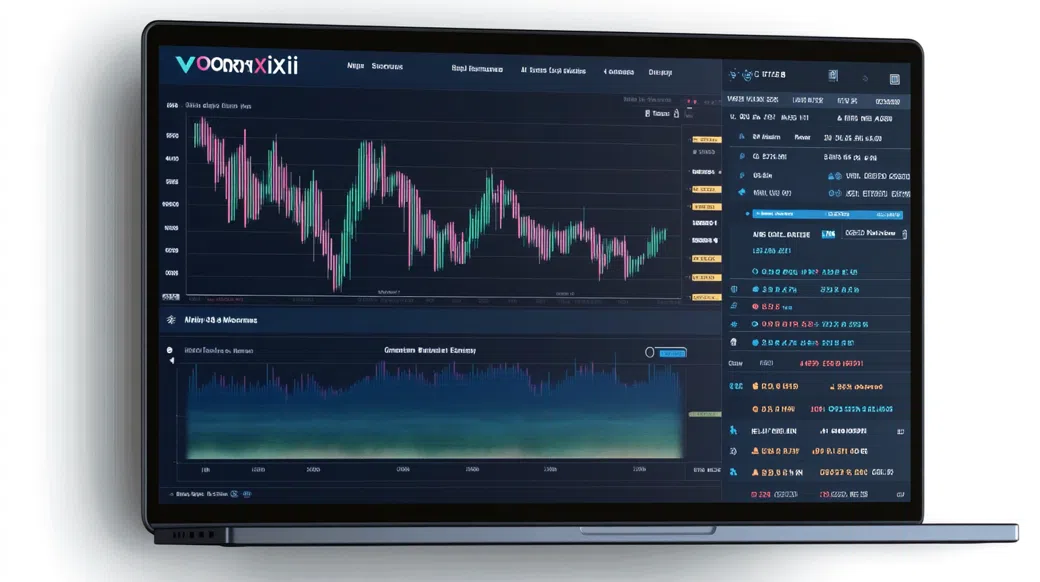
The WebTrader felt built for decision speed: watchlists on the left, charts that expand cleanly, and the order ticket staying out of the way. I tested a small US500 position into the London-to-NY handover and saw fills that tracked the quote without odd “price jumps,” though slippage still appeared when volatility picked up. There’s no need to install anything, but the ecosystem isn’t the same as MT4/MT5—so if you rely on third-party EAs and a deep indicator marketplace, you’ll feel the gap.
The Verso Rendoria app mirrors the web layout: live quotes, quick position management, and a clean one-tap close for risk-off moments. Verso Rendoria login was stable for me with biometric unlock enabled, and deposits/withdrawals were accessible from the same menu (useful when you’re managing margin on the move). Push notifications are there for fills and margin alerts, although chart work is naturally tighter on a phone—fine for monitoring, less ideal for building a full top-down plan.
Charting covers the staples—multi-timeframe views, common indicators (MA, RSI, MACD, Bollinger) and basic drawing tools for structure. The platform also includes an economic calendar and an integrated news feed, which is enough to keep tabs on CPI/FOMC-style risk events. Still, it’s a lighter toolkit than a dedicated MT5/cTrader workstation, so serious quant-style testing and advanced alerts belong elsewhere.
After creating credentials, the portal pushed me into an identity workflow that was familiar: personal details, tax residency prompts, then document upload for AML. KYC required a government-issued photo ID plus proof of address (bank statement/utility bill dated within 3 months). My verification cleared within the same business day, and the first funding attempt was only allowed once the profile fields were complete. For clarity, the Verso Rendoria minimum deposit on my side was set at $200.
Funding by USDT credited promptly and the transaction history was easy to reconcile, which matters when you’re tracking exposure across venues. One practical note: base-currency choices are limited versus top-tier global brokers, so plan around possible conversion costs if your bank account is not USD-denominated.
I used live chat to clarify swap/overnight charges on XAU/USD versus holding US500 overnight—important if you’re running a hedged book. The agent came back in about three minutes with where to find the swap table and how triple-swap days are applied. I then sent an email asking about Verso Rendoria withdrawal timing for card versus crypto; the ticket was answered in roughly eight hours with a clear breakdown of internal processing (24–48 hours) versus banking rails.
Coverage is the usual 24/5 cadence, which suits FX and index traders but leaves a weekend gap for support even though crypto markets keep trading. Language support felt functional in English; other languages appeared available depending on shift coverage. I didn’t see a prominently advertised phone line in my region, so if you prefer voice escalation, factor that into your risk plan.
If you’re considering this broker, start by checking live spreads during your trading hours and verifying your country eligibility before depositing. A demo run is also worth it to confirm charting, order types, and how margin and swaps display on the instruments you trade.
Visit Verso RendoriaIt can be, but only if you treat leverage with respect and start small. The WebTrader is easy to navigate and the demo helps, yet the educational content is not as deep as what you get from the biggest global platforms. Beginners should cap leverage well below the 1:500 maximum and focus on risk limits first.
Yes, crypto is available via CFDs, with majors like BTC/USD and ETH in the lineup. You’re trading price exposure on margin rather than owning coins on-chain. Keep an eye on weekend financing and wider spreads during sharp moves.
No—based on my 2026 test, it behaved like an operational broker: KYC checks were enforced, trades executed, and a withdrawal request was processed. The more relevant question is risk: offshore registration means fewer formal investor-protection mechanisms than Tier‑1 regulators. Trade sizes should reflect that reality.
No, the USA is restricted on this platform. US residents generally can’t open accounts due to local regulatory constraints around leveraged CFDs. If you’re in the US, look for a domestically compliant venue instead.
Most withdrawals I reviewed were queued for internal processing within 24–48 hours after KYC is complete. After that, the timeline depends on the rail: cards often take 2–5 business days, bank wires 3–7 business days, while crypto transfers can arrive the same day. Always allow extra time around weekends and banking holidays.
The minimum deposit is $200 on the live account setup I used. That level is typical for offshore CFD brokers that offer higher leverage. If you’re new, consider depositing only what you can afford to lose while you validate execution and costs.
Yes, there are iOS and Android apps, and they cover the essentials: quotes, charting, order placement, and account management. Mobile is also where you can monitor margin and receive push alerts. For deeper analysis, I still prefer the larger WebTrader canvas.
Overall Score: 4.0/5
From a trader’s lens, the appeal is simple: a clean WebTrader, a workable Raw/ECN-style option, and enough markets to express macro views without juggling multiple accounts. My funding and Verso Rendoria withdrawal checks were consistent with what you’d expect from an offshore CFD venue—fast internally, then dependent on the payment rail. The limit is also clear: offshore registration reduces the strength of formal protections, so position sizing and risk controls matter more than marketing. CFDs are leveraged products; capital is at risk, and losses can exceed expectations if volatility spikes.
Best for: active FX/index traders who want 1:500 leverage and a chart-first WebTrader. Avoid if: you require Tier‑1 regulation, guaranteed investor compensation schemes, or an MT4/MT5 plugin ecosystem.