Torch Kapivex Alternatives 2026: Regulated Broker Options
Torch Kapivex alternatives for 2026, compared on regulation, costs, platforms, execution, and migration steps—so you can switch with fewer surprises.

Torch Kapivex alternatives for 2026, compared on regulation, costs, platforms, execution, and migration steps—so you can switch with fewer surprises.
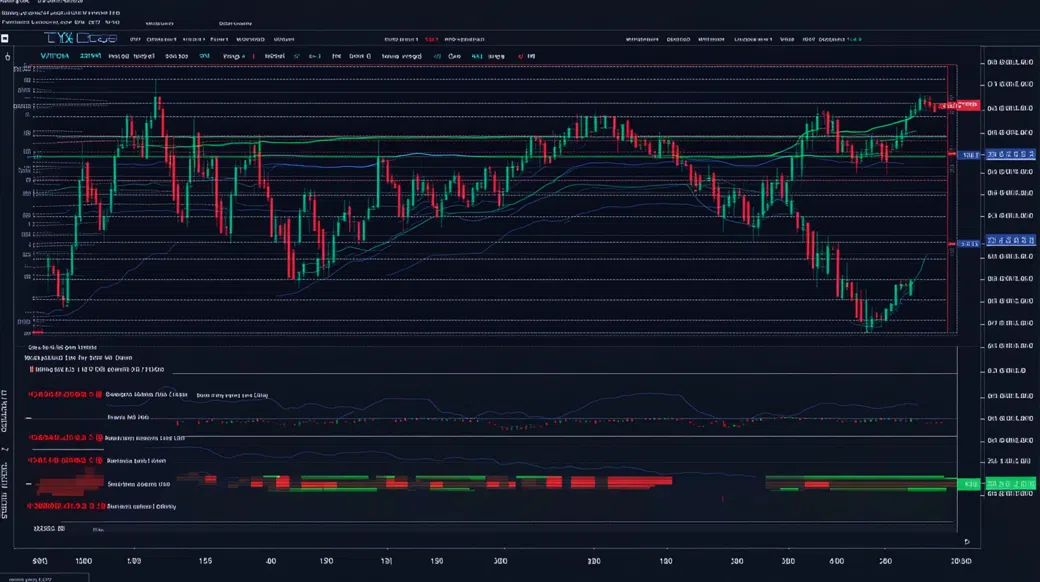
Spreads tell the truth faster than marketing does. If you’re staring at a EUR/USD quote that “looks fine” but your fills keep drifting, the platform matters as much as the macro view. Torch Kapivex sits in the offshore CFD lane: typically a WebTrader-style interface plus mobile apps, geared toward retail traders who want quick access to forex and CFD markets with headline leverage. In this category, you’ll often see leverage around 1:500, a minimum deposit near $250, and EUR/USD pricing that commonly prints around 2.0 pips on a standard-style account—numbers that can work for swing trades, but feel expensive for frequent intraday execution.
That’s the backdrop for evaluating Torch Kapivex without drama: focus on the trade workflow (order types, chart tools, risk controls), the execution model (how slippage shows up around data releases), and—most importantly for capital protection—how oversight and client-money rules are handled. For a US/EU-focused audience, the gap between offshore frameworks and FCA/ASIC/CySEC/NFA-style regimes isn’t a footnote; it changes dispute resolution, segregation expectations, and whether compensation schemes are even on the table.
This guide maps Torch Kapivex alternatives in 2026 to real trader needs: low-friction FX execution, multi-asset access (real stocks/ETFs versus CFDs), and platform stacks that support the way you actually trade—manual, systematic, or portfolio-driven.
Disclaimer: This article is for informational purposes only and does not constitute investment advice. CFDs and other leveraged products carry a high risk of loss and may not be suitable for all investors.
From a trader’s lens, Torch Kapivex looks like an offshore-style CFD broker that concentrates on forex and CFDs rather than true multi-asset investing. Public-facing offerings in this segment commonly include ~30–50 FX pairs, a modest menu of indices and commodities, and a crypto CFD list that’s large enough for the majors but not deep like a dedicated exchange. The regulatory posture is typically “offshore,” with Seychelles FSA being a common domicile for brokers in this category, and that matters because the safety toolkit (investor compensation, formal complaints handling, disclosure depth) tends to differ from the FCA/ASIC/CySEC/NFA world. The platform proposition is simple: get you charting and trading quickly, mostly through a browser, with a mobile app for monitoring and basic execution.
Most WebTrader stacks in this lane prioritize convenience over depth: a clean watchlist, one-click trading, and a charting package that’s functional but rarely “pro-grade.” Expect the essentials—common indicators, drawing tools for levels and channels, and basic timeframes—without the heavier ecosystem you’d get from MT4/MT5 or cTrader. Order control is usually centered on market/limit/stop with standard stop-loss and take-profit, while advanced conditional logic (OCO brackets, server-side trailing nuances, strategy testing) can be limited. Mobile generally mirrors the web experience for position management and alerts, but detailed layout work and multi-chart workflows often feel constrained. That gap is why platforms like Torch Kapivex get compared less on aesthetics and more on whether execution and risk controls match the trader’s style.
Cost structure in offshore CFD setups is typically spread-led on entry-level accounts, with EUR/USD often around 2.0 pips on a standard-style tier. Some providers also advertise a “raw” or ECN-flavored option—think 0.0–0.4 pips plus a commission in the ballpark of $5–$8 round-turn per standard lot—though the real test is how stable that pricing remains during volatility. Beyond spreads, watch swap/overnight financing (especially on indices and crypto CFDs), plus any withdrawal and inactivity charges that can quietly raise your all-in cost. For traders benchmarking competitors to Torch Kapivex, the only fair comparison is: your typical trade size × your frequency × the full round-trip cost, including slippage.
Leverage can be a loud headline, but regulation and execution are the two places where traders feel pain first. If your strategy relies on tight risk windows—London open scalps, news fades, or systematic entries—then a wider EUR/USD spread and inconsistent fills become a tax you pay every session. Add in the practical side (KYC friction, withdrawal processing, region restrictions), and Torch Kapivex alternatives start to look less like “shopping around” and more like keeping your trading plan intact. The key is matching the broker’s model to your method: market maker versus STP/ECN/DMA isn’t academic when slippage shows up right at your stop.
Start with your strategy constraints, then work outward. A broker is a piece of trading infrastructure: it should fit your risk budget, your holding time, and the instruments you actually trade. For alternatives to the Torch Kapivex trading platform, I build the short list by separating “safety plumbing” (regulation, client money rules, negative balance protection) from “performance plumbing” (spreads, execution, platform tools). Once those two boxes are ticked, user experience becomes the tiebreaker.
For US/EU readers, regulation is the first filter, not the last. FCA, ASIC, CySEC, and NFA/CFTC frameworks generally require stronger disclosures and tighter handling of segregated client funds than offshore setups. In the UK, FCA-regulated firms may fall under FSCS protection (up to £85,000, eligibility-dependent). In the EU, CySEC-regulated entities can be linked to the ICF (up to €20,000, eligibility-dependent). Verify the entity on the regulator’s public register; don’t rely on a logo in the footer.
Write down what you need to trade, then check whether it’s real ownership or a CFD wrapper. FX and indices are widely available at CFD brokers, but real stocks/ETFs, options, and exchange-traded futures are a different tier—often requiring a multi-asset brokerage with direct market access. If your plan includes hedging with listed options or rolling futures, prioritize brokers that clear those products natively. For regulated options vs Torch Kapivex, the product set is often the decisive difference.
Spreads are only the visible line item. The correct metric is the round-turn cost: spread + commission, plus any expected slippage at your trade times. Also price in swap/overnight fees if you hold CFDs for days or weeks; carry can dwarf entry costs in some markets. Inactivity fees and withdrawal charges matter for part-time traders who park capital between themes. If you’re comparing brokers similar to Torch Kapivex, keep the comparison in pips and dollars per lot, not vague “from” claims.
Platform choice is a strategy choice. MT4/MT5 supports a massive ecosystem of indicators and automation; cTrader is popular for execution feel and depth-of-market on some setups; proprietary platforms can be clean but less extensible. Execution model is the second layer: market maker versus STP/ECN/DMA changes how orders get filled and how slippage behaves during spikes. If you’re coming from Torch Kapivex, test the new venue with small size around your typical trading hours before scaling.
Support isn’t a “nice to have” when margins are tight. Check live chat responsiveness during your timezone, the clarity of margin-call and liquidation rules, and whether the broker publishes meaningful education (not just glossaries). Mobile parity matters if you manage risk on the move—stops, partial closes, and alerts should be frictionless. Finally, read the legal docs: negative balance protection, order handling, and complaint routes should be easy to locate and consistent with the regulator.
On forex and index CFDs, Torch Kapivex likely covers the core set—roughly 30–50 FX pairs plus a handful of indices and commodities—with leverage that can run high (often around 1:500). That leverage looks attractive on a landing page, but it compresses your error margin; a small adverse move can trigger a margin call quickly, especially when spreads widen during illiquid sessions. The bigger practical issue for active traders is cost and execution: a typical ~2.0 pip EUR/USD spread on a standard-style account can be a drag for scalpers and tight-stop systems. Pepperstone and IC Markets are common regulated routes for FX/CFDs because they offer MT4/MT5/cTrader and pricing models that can be materially tighter on raw-style accounts (spread + commission). For a trader who measures performance in pips captured per week, that structural difference can show up directly in expectancy.
Stock and ETF access is where many CFD-first brokers diverge from the multi-asset world. With Torch Kapivex, equity exposure is typically offered as CFDs (if offered at all), which means no shareholder rights, no transferability, and financing costs if you hold positions. If your goal is investing—owning US/EU equities, collecting dividends in full, running a long-term portfolio—then a broker with real exchange access is usually a cleaner solution. Interactive Brokers (IBKR) is built for breadth: global stocks/ETFs, options, futures, bonds, and FX in one account, with routing and risk tools that suit serious portfolio builders. Saxo Bank is another multi-asset alternative with strong platform tooling and broad market coverage. This is the point where “top substitutes for Torch Kapivex” becomes less about spreads and more about the difference between trading a derivative and owning the underlying.
Crypto at CFD brokers is usually exposure, not ownership. If Torch Kapivex provides crypto CFDs (often 10–30 coins), you’re trading price movement with leverage, and you’re not withdrawing coins to a wallet. That can be fine for tactical trading—hedging risk-on sentiment, expressing a short-term view—yet it comes with overnight financing, weekend liquidity quirks, and potentially wider spreads during stress. For regulated alternatives, IG and Plus500 are known for offering crypto CFDs in jurisdictions where permitted, inside a more formal regulatory wrapper than offshore venues. If you need spot ownership, you typically step outside CFD brokers entirely and into regulated exchanges/custody solutions—an entirely different risk model. For most US/EU traders, the decision is binary: do you want leveraged CFD exposure, or do you want the asset itself?
Regulation: SEC/FINRA (US), FCA (UK), IIROC (Canada) (entity depends on region)
Markets: stocks, ETFs, options, futures, FX, bonds (product access varies by jurisdiction)
Fees: FX pricing typically commission-based with tight spreads; equities/options pricing varies by market and tier
Platform: Trader Workstation (TWS), IBKR Desktop, mobile app, Client Portal
Best For: Multi-asset portfolio builders who also trade derivatives
Regulation: FCA (UK), ASIC (Australia), CySEC (EU), DFSA (Dubai)
Markets: FX, CFDs (indices, commodities, some shares depending on entity)
Fees: Standard spreads typically around ~1.0 pip+ on EUR/USD; Raw-style pricing often ~0.0–0.3 pips + commission (varies by platform/entity)
Platform: MT4, MT5, cTrader, TradingView integration (availability varies)
Best For: System traders using EAs and cTrader-style execution
Regulation: FCA (UK), ASIC (Australia), MAS (Singapore)
Markets: CFDs (FX, indices, commodities, shares), spread betting (UK/IE where applicable)
Fees: Costs are typically spread-led on many CFD products; FX spreads vary by pair and market conditions
Platform: IG web platform, mobile app; MT4 available in some regions
Best For: Macro-driven CFD traders who want broad index coverage
Regulation: FCA (UK), MAS (Singapore), DFSA (Dubai) (entity depends on region)
Markets: stocks, ETFs, FX, options, futures, bonds, CFDs (availability varies)
Fees: Tiered pricing by account level; FX spreads vary by tier, with tighter pricing at higher tiers
Platform: SaxoTraderGO, SaxoTraderPRO
Best For: Active investors who want research plus advanced order control
Regulation: CFTC/NFA (US), FCA (UK), ASIC (Australia), IIROC (Canada)
Markets: FX (and CFDs in certain non-US jurisdictions)
Fees: Primarily spread-based pricing; typical spreads vary by pair and volatility
Platform: OANDA web/mobile, MT4 (availability varies)
Best For: US-based FX traders prioritizing regulatory clarity
Regulation: FCA (UK), CySEC (EU), ASIC (Australia), MAS (Singapore)
Markets: CFDs (FX, indices, commodities, shares, ETFs; crypto CFDs where permitted)
Fees: Spread-led pricing; overnight funding applies on CFD holds
Platform: Plus500 proprietary web platform, mobile app
Best For: Simplicity-first traders who don’t need MT4/MT5
| Platform | Regulation | Main Markets | Typical Costs | Best For |
|---|---|---|---|---|
| Interactive Brokers (IBKR) | SEC/FINRA, FCA, IIROC | Stocks/ETFs, options, futures, FX, bonds | Commission-based FX; tiered fees across assets | Multi-asset portfolio builders who also trade derivatives |
| Pepperstone | FCA, ASIC, CySEC, DFSA | FX and CFDs | ~0.0–0.3 pips + commission (Raw-style) or ~1.0 pip+ (Standard) | System traders using EAs and cTrader-style execution |
| IG | FCA, ASIC, MAS | CFDs (FX, indices, shares); spread betting (UK/IE) | Mostly spread-led; varies by instrument and volatility | Macro-driven CFD traders who want broad index coverage |
| Saxo Bank | FCA, MAS, DFSA | Stocks/ETFs, FX, options, futures, CFDs, bonds | Tiered pricing; tighter FX spreads at higher tiers | Active investors who want research plus advanced order control |
| OANDA | CFTC/NFA, FCA, ASIC, IIROC | FX (CFDs in some regions) | Spread-based; varies by pair and market conditions | US-based FX traders prioritizing regulatory clarity |
| Plus500 | FCA, CySEC, ASIC, MAS | CFDs across major asset classes | Spread-led; overnight funding on CFD holds | Simplicity-first traders who don’t need MT4/MT5 |
Switching brokers is a risk exercise, not an admin task. The goal is to avoid being “market exposed” while your funds are in transit, and to avoid discovering platform constraints only after you’ve moved size. Treat the process like a staged rollout: verify the destination first, migrate your workflow next, then shift capital gradually. And remember: leveraged CFD positions can move faster than withdrawal timelines.
If you’re benchmarking platforms like Torch Kapivex, it helps to check the current onboarding flow, product list, and trading conditions in your region side-by-side with regulated alternatives. Run a small test first, compare spreads during your trading hours, and verify withdrawal methods before committing meaningful capital.
Visit Torch KapivexThe best option depends on whether you need multi-asset investing or FX/CFD execution. For real stocks/ETFs plus options and futures, Interactive Brokers (IBKR) is hard to beat on market access; for FX/CFDs with MT4/MT5/cTrader support, Pepperstone is a common short list candidate. If you want a simpler CFD interface without building an automation stack, Plus500 or IG can fit better.
Safety depends on regulatory oversight and client-money protections, and Torch Kapivex is typically associated with an offshore framework (often Seychelles FSA in this segment) rather than top-tier US/EU supervision. That doesn’t automatically imply wrongdoing, but it does change what recourse and protections you can realistically expect versus FCA/CySEC/NFA-regulated firms. If capital protection is the priority, focus your search on regulated alternatives and verify the legal entity on the regulator’s register.
With Torch Kapivex, the common setup is forex and CFDs, with crypto often offered as crypto CFDs (price exposure, not coin ownership). Stocks and ETFs, when available in this broker category, are frequently CFDs rather than real share dealing, and listed futures are usually not part of the standard CFD menu. If you need exchange-traded futures or listed options, a multi-asset venue like IBKR or Saxo is typically the more direct route.
Before switching, verify regulation on the official register (FCA/ASIC/CySEC/NFA), confirm segregated client funds wording, and read the negative balance protection and liquidation policy. Next, compare round-turn trading costs (spread + commission) during your trading hours and test execution with small size to observe slippage. Finally, validate withdrawal rails and KYC timing so you’re not stuck mid-transfer when the market moves.
About the Author: Daniel Okafor is a derivatives trader turned market analyst based in Singapore, focused on APAC brokerages and global macro cross-currents. He evaluates platforms the way a desk does—through execution quality, cost-of-trade, and risk controls—then backs conclusions with charts rather than noise.