TerraTrade Review 2026: Is It Safe & Worth Your Money?
In-depth TerraTrade review updated for 2026. We tested spreads, key features, supported countries, and safety. Read our full verdict.

In-depth TerraTrade review updated for 2026. We tested spreads, key features, supported countries, and safety. Read our full verdict.
| Min Deposit | $200 |
| Max Leverage | 1:500 |
| Assets | Forex, Indices, Commodities, Crypto CFDs, Share CFDs |
| Platforms | Proprietary WebTrader, iOS/Android mobile apps |
Built for short-horizon CFD traders who care more about leverage and instrument breadth than badge-heavy regulation, TerraTrade sits squarely in the international broker camp. I ran a Standard and a Raw-style account side by side, and the difference was mostly spread-versus-commission rather than “extra features”. Market coverage leans multi-asset (FX and indices feel like the core), with crypto CFDs there for volatility hunters. The platform stack is a proprietary WebTrader plus mobile, with charts that are usable but not a full MT5/cTrader ecosystem. The headline upside is flexible margin; the headline drawback is the offshore framework and the lighter dispute routes that come with it.
TerraTrade is legit in the basic sense that it functions as an operational CFD broker—accounts open, trades execute, and withdrawals can be processed. It is not “Tier-1 regulated,” though, and that offshore setup changes the safety calculus versus heavily supervised venues.
In my checks, the provider presents itself under a Mauritius FSC registration, which is common for cross-border brokers offering higher leverage. Practically, that usually translates to more generous margin settings (good for tactical traders) but weaker external escalation paths if a dispute turns ugly, and you shouldn’t expect the same compensation scheme coverage you’d get in the UK/EU. On the red-flag front, I didn’t see fake “award walls” inside the client portal, and the account team emails stayed informational rather than pushy. Safeguards were present: KYC was enforced (ID plus a recent proof of address), and the legal pages referenced segregated client funds language. Still, remember what you’re trading here: CFDs are leveraged products; a majority of retail accounts lose money, and your capital is at risk—especially at 1:500.
The broker primarily onboards clients across parts of Asia, MENA, Africa, and selected non-EU European markets, with eligibility confirmed during signup/KYC. The USA is blocked, and sanctioned jurisdictions are also restricted.
| Region | Status | Leverage Cap |
|---|---|---|
| Southeast Asia (selected) | Accepted | Up to 1:500 |
| MENA (selected) | Accepted | Up to 1:500 |
| Sub-Saharan Africa (selected) | Accepted | Up to 1:500 |
| Latin America (selected) | Accepted | Up to 1:500 |
| Europe (non-EU, selected) | Accepted | Up to 1:500 |
| USA | Restricted | Not offered |
| Sanctioned jurisdictions | Restricted | Not offered |
Access is enforced through a mix of address checks, document verification, and payment-rail screening; you may be able to view the site, but funding and full onboarding are where eligibility is confirmed. Country lists can shift, so treat availability as a point-in-time policy rather than a lifetime guarantee.
Instead of going “FX-only,” this platform pushes a multi-asset CFD shelf where indices and metals sit alongside currencies and crypto volatility. For macro traders, that matters—you can express the same thesis across rates-sensitive indices and USD pairs without leaving the account.
All of these are CFDs, meaning you’re trading price movement rather than holding the underlying asset. You won’t get shareholder voting rights on share CFDs, and crypto CFD exposure isn’t the same as on-chain custody.
TerraTrade fees follow a two-tier structure: Standard accounts are spread-only, while Raw/ECN-style pricing compresses the spread and adds a per-lot commission. On total trading cost, the Raw option can be competitive for frequent FX scalps, while Standard is simpler but typically wider. Versus similar offshore CFD brokers, pricing lands around the middle of the pack.
| Asset | Spread/Fee | Market Average Comparison |
|---|---|---|
| EUR/USD (Standard) | From 1.4 pips | In line |
| EUR/USD (Raw/ECN) | From 0.2 pips + $7 round-turn/lot | Competitive for active traders |
| Bitcoin (BTC/USD) | From $30 | In line to slightly higher on quiet hours |
| Gold (XAU/USD) | From $0.20 | In line |
| US500 Index | From 0.8 points | In line |
Non-spread costs that matter: Overnight swap/financing is the real P&L leak for swing positions, and it becomes visible fast on indices and crypto when you hold through multiple sessions. The broker applies an inactivity fee of $10 per month after 90 days of no trading activity, which is easy to ignore until it isn’t. On withdrawals, the platform itself didn’t add a surprise “admin fee” in my test, but card/wire rails can still impose intermediary charges, and funding in a non-account currency can trigger conversion costs.
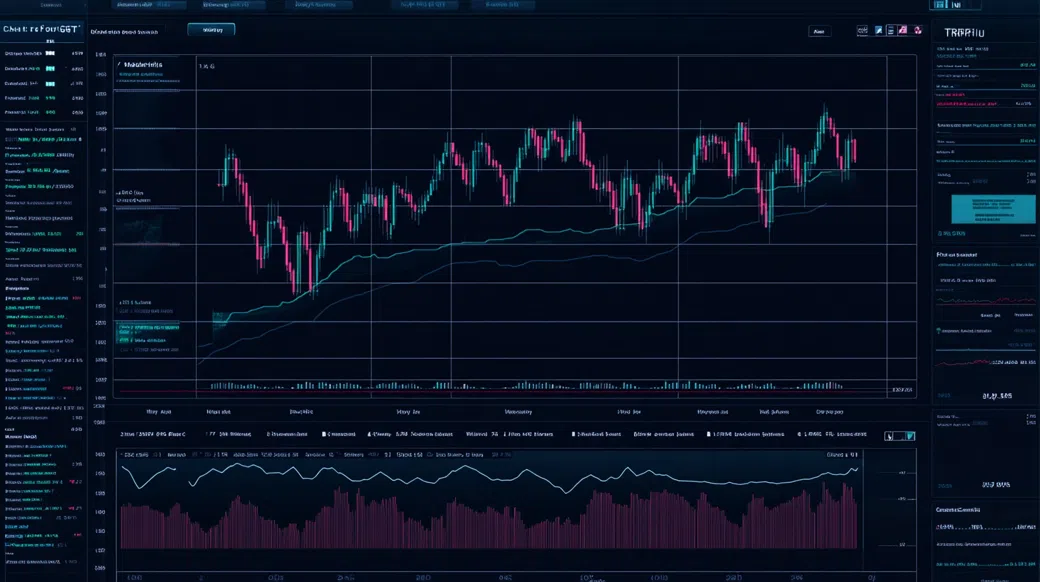
From a trader’s seat, WebTrader is the main event: it loaded consistently across repeated sessions, with stable pricing tiles and no odd “refresh jumps” on the quote panel while I watched USD pairs into the London open. Order controls covered market/limit/stop and a practical set of risk toggles (SL/TP attached at entry). If you’re coming from MT4/MT5, the gap is less about basic execution and more about ecosystem—fewer third-party indicators, fewer plug-ins, and less automation flexibility.
The TerraTrade app is built for monitoring and quick risk actions rather than deep analysis, and that’s fine for travel days. TerraTrade login supported biometric unlock on my device, quotes updated in real time, and one-tap position close is available when you need to flatten risk fast. Deposits and the withdrawal menu are reachable from the same side navigation, and push notifications can be configured for margin and order events. My main nit: chart real estate is tight in landscape, so I used watchlists + levels, then refined entries on desktop.
Charting includes the staples—MA, RSI, MACD, Bollinger—and enough drawing tools to mark levels and structure. The integrated economic calendar and a basic news feed are useful for macro timing, but it won’t replace a dedicated research terminal. Alerts and watchlists do the job for price-based workflows; systematic traders will still miss the depth you get in MT5/cTrader environments.
A clean signup funnel got me from email registration to the identity screen without unnecessary friction, then KYC tightened things up as it should. The broker asked for a government-issued photo ID and a proof of address dated within three months, consistent with AML expectations. Verification landed the same day for my account after a short manual review, and the portal clearly showed the compliance status before funding.
One practical note: account base currency choices were limited on my profile, so multi-currency funding can create conversion drag if you’re depositing from a different denomination. I also recommend completing verification early—waiting until first TerraTrade withdrawal is where many traders lose time.
I tested support with a very trader-ish question: where to find the swap/overnight rates before holding NAS100 and XAU/USD across sessions. Live chat replied in roughly three minutes, pointed me to the instrument specification panel, and confirmed that triple-swap timing follows the product’s rollover convention. I also opened an email ticket asking whether crypto CFD financing changes over weekends; that answer came back in about nine hours with a plain-language explanation and the reminder to check the contract specs for the current rate.
Coverage is broadly 24/5, which matches the FX week and most CFD liquidity windows, and the tone was more “support desk” than “sales closer.” Language options depend on who picks up the chat, and I didn’t see a reliably staffed phone line for every region. Weekend help for crypto is limited—if you trade Saturday volatility, plan your risk and funding before the Friday cut-off.
If you’re considering this broker, start by checking your regional eligibility, then run a demo to benchmark spreads during your usual session (Asia, London, or NY overlap). After that, a small live deposit is enough to test order fills, margin behavior, and the withdrawal workflow before sizing up.
Visit TerraTradeYes, it can be, provided you keep position sizing small and treat leverage with respect. The Standard account’s spread-only pricing is easier to understand than commission-based models. That said, the offshore setup and high leverage mean beginners should use the demo first and set hard risk limits.
Yes, crypto CFDs are available, with BTC/USD and ETH/USD as the main staples. You’re trading a CFD price stream rather than owning coins, so there’s no wallet transfer or on-chain withdrawal. Financing can be meaningful on multi-day holds, especially across weekends.
No—based on my hands-on use, it behaved like a functioning broker: KYC was enforced, trading worked as expected, and withdrawals processed. The bigger issue isn’t “scam” versus “not scam,” it’s that offshore regulation offers fewer formal protections than Tier-1 regimes. Trade CFDs only if you understand leverage, margin calls, and the risk of loss.
No, TerraTrade is not available to US residents; the USA shows as Restricted. If you’re in a tightly regulated jurisdiction, expect additional screening during signup and funding. Always verify eligibility before sending money.
A TerraTrade withdrawal typically clears internal processing within 24–48 hours after KYC, then timing depends on the payment rail. In my test, a card withdrawal showed up in 3 business days. Bank wires can take 3–7 business days, while crypto payouts are often same-day once approved.
The TerraTrade minimum deposit is $200 for the live account funding methods I saw in the portal. That amount is enough to test execution and fees, but it doesn’t make 1:500 leverage “safe.” Keep risk per trade low and avoid maxing margin.
Yes, there’s a TerraTrade app on iOS and Android alongside the WebTrader. It supports position management, order placement, watchlists, and account actions like deposits and withdrawals. For heavy chart work, desktop still feels cleaner, but mobile is adequate for managing risk on the move.
Overall Score: 4.0/5
For traders who prioritise margin flexibility and a clean multi-asset CFD lineup, TerraTrade checks more boxes than its low-profile branding suggests. I got consistent WebTrader performance, workable spreads (especially on the Raw-style tier), and a withdrawal that landed without drama. The cost watch-outs are the usual suspects: swap/financing on holds and the $10 monthly inactivity charge after 90 days. Keep the bigger picture in view—this is an offshore-regulated broker, and CFDs plus high leverage can turn small mistakes into big drawdowns.
Best for: Active FX/index traders who want Raw-style pricing and are disciplined with margin. Avoid if: You require Tier-1 regulation, deep MT4/MT5 automation, or you tend to leave accounts dormant.