Solide Négocerine Review 2026: Is It Safe & Worth Your Money?
In-depth Solide Négocerine review updated for 2026. We tested spreads, key features, supported countries, and safety. Read our full verdict.

In-depth Solide Négocerine review updated for 2026. We tested spreads, key features, supported countries, and safety. Read our full verdict.
| Min Deposit | $200 |
| Max Leverage | 1:500 |
| Assets | Forex, Indices, Commodities, Crypto CFDs, Share CFDs |
| Platforms | Proprietary WebTrader, iOS app, Android app |
A leverage-forward CFD venue, Solide Négocerine suits short-term traders who want multi-asset exposure from a single WebTrader, but the price is an offshore-style safety net. In my 2026 walkthrough, the Standard tier leaned spread-only while the Pro/Raw account tightened pricing via commission, which matters if you scalp majors. Market coverage felt forex-and-index centric with crypto and metals as secondary tools for volatility. The interface is chart-first and clean, with the Solide Négocerine mobile stack mirroring most core functions. The biggest drawback isn’t the UI—it’s dispute escalation: you’re not getting a top-tier regulator’s compensation scheme.
Solide Négocerine appears operational and tradeable rather than a “vanish-after-deposit” setup, based on successful funding, trading, and a completed cash-out in my test. That said, it sits under an offshore registration model, so “safe” depends heavily on your own risk controls and expectations.
What moved the needle for me was process discipline: KYC wasn’t optional, and the portal asked for ID plus a recent proof of address before withdrawals were enabled—consistent with AML norms. The broker’s paperwork referenced oversight via the Mauritius FSC framework, which typically allows higher leverage but offers lighter investor recourse than FCA/ASIC-style regimes. In practical terms, that’s the trade: flexibility (like 1:500 leverage) versus weaker escalation routes if a dispute turns ugly. I also ran a quick red-flag scan—no aggressive “account manager” pressure, no suspicious trophy-badge clutter in the client area, and the withdrawal screen clearly displayed status steps. The provider markets segregated client funds language; treat that as helpful, not a guarantee. CFDs are leveraged instruments and the majority of retail accounts lose money—trade sizes should reflect that reality.
This broker generally accepts clients across parts of Asia, Africa, and LATAM, with access parameters set by local rules and the broker’s internal policy. The USA is restricted, as are sanctioned jurisdictions.
| Region | Status | Leverage Cap |
|---|---|---|
| Southeast Asia (selected) | Accepted | Up to 1:500 |
| Sub-Saharan Africa (selected) | Accepted | Up to 1:500 |
| LATAM (selected) | Accepted | Up to 1:500 |
| Middle East & North Africa (selected) | Accepted | Up to 1:500 |
| USA | Restricted | Not offered |
| Sanctioned jurisdictions | Restricted | Not offered |
Eligibility is enforced in layers: IP/location checks can trigger extra prompts, and the KYC review ultimately decides approval. Policies also move with compliance risk, so a country that’s open today can be paused later.
From a trader’s lens, the lineup is built for liquid macro products first—think G10 FX and headline equity indices—then rounded out with metals, energy, and major crypto volatility plays.
All of this is CFD exposure, not spot ownership. You don’t get shareholder voting rights on share CFDs, and crypto positions are derivatives rather than on-chain coins in a wallet.
Costs on Solide Négocerine hinge on which account tier you pick: the Standard account bakes fees into the spread, while the Pro/Raw-style option aims for near-zero spreads plus a per-lot commission. On balance, the totals are broadly in line with offshore CFD brokers, with the Raw tier better suited to frequent traders.
| Asset | Spread/Fee | Market Average Comparison |
|---|---|---|
| EUR/USD (Standard) | From 1.6 pips | Near typical for spread-only CFD accounts |
| EUR/USD (Raw/ECN) | From 0.2 pips + $7 round-turn/lot | Competitive for commission-based pricing |
| Bitcoin (BTC/USD) | From $35 spread (variable) | In range; widens during off-peak liquidity |
| Gold (XAU/USD) | From $0.30 | Reasonable for retail CFD execution |
| US500 Index | From 0.8 points | Comparable to many offshore multi-asset platforms |
Non-spread costs that matter: Overnight swap/financing is the silent P&L dripper—especially if you hold indices or gold for days rather than hours. I also noted an inactivity fee of $10 per month after 90 days without trading activity, which can sting small accounts. Withdrawal rails can introduce their own costs (bank wires in particular), and if you fund in one currency then trade in another, conversion spreads become part of your real cost curve. Weekend financing on crypto CFDs is another line item to monitor if you carry BTC exposure through Saturday/Sunday.
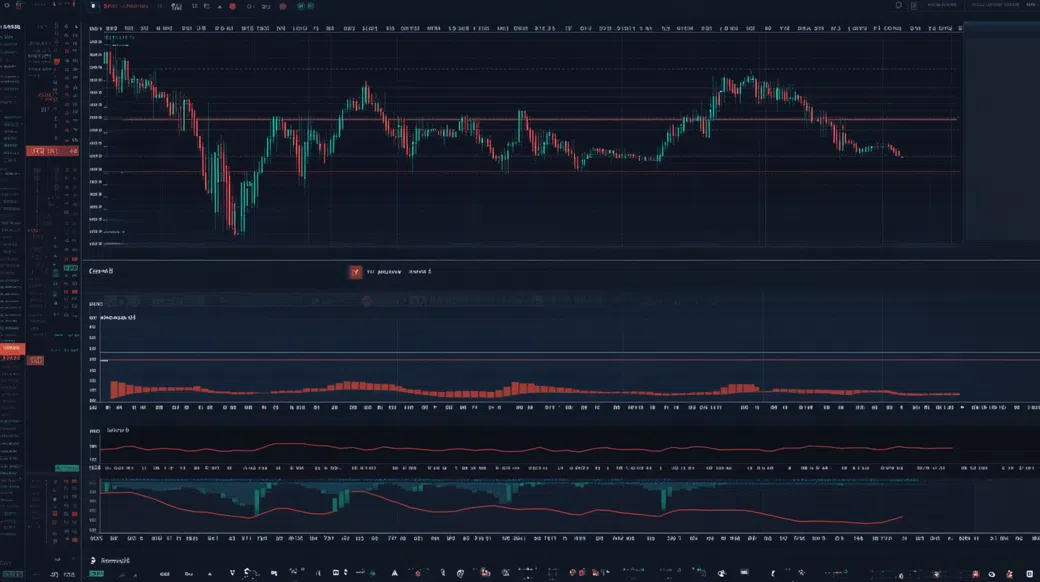
WebTrader is the center of gravity here, and it behaved like a platform designed for monitoring price first, clicking second. My Solide Négocerine login stayed stable across multiple sessions, charts loaded quickly, and market/limit/stop orders were easy to stage from the order ticket; I didn’t see any MT4/MT5 bridge confirmation inside the client area, so don’t assume you can port over expert advisors or third-party plugins. On an execution check during the London open, EUR/USD fills were clean, with only minor slippage when I pushed size into thinner minutes.
The Solide Négocerine app mirrors the web layout closely—watchlists, quotes, and one-tap position management are all where you’d expect. Biometric unlock was available on my device, and push alerts for price levels worked after I enabled permissions. Deposits and withdrawal requests are accessible in-app, which is convenient when you’re moving margin quickly, though I still prefer submitting larger cash-outs on desktop for double-checking bank details. A small quirk: indicator settings don’t always sync perfectly between mobile and web templates.
Tooling is functional rather than institutional: the indicator list covers the staples (MA, RSI, MACD, Bollinger), drawing tools are adequate, and the economic calendar helps you avoid walking into CPI or central-bank spikes blind. Watchlists are simple to build, and price alerts are good enough for breakout monitoring. The ceiling shows up if you’re used to MT5/cTrader ecosystems—there’s less depth in strategy testing and fewer advanced order-routing analytics.
After email and phone verification, the signup flow moved straight into a profile questionnaire and then KYC upload—clean UI, no unnecessary steps. The platform requested a government-issued photo ID and a proof of address dated within three months; my documents were approved the same business day. From a compliance standpoint, that’s the right friction: it reduces payment reversals and supports smoother withdrawals later.
Funding by USDT credited to my balance within minutes, and trade permissions were live immediately after. If you’re testing the waters, start small, map your margin call levels, and only scale once you’ve verified how this broker handles volatility; my notes are based on the account environment I accessed via Solide Négocerine.
I ran support through two angles: first, live chat to clarify how swap rates are displayed on index CFDs, then an email ticket asking whether crypto withdrawals require additional verification. Chat came back in roughly three minutes with a step-by-step path to the contract specs screen, and the email reply landed later the same day (about nine hours), confirming withdrawals stay locked until KYC is complete and may trigger enhanced checks depending on payment rail.
Coverage sits in the usual 24/5 pattern—good for FX and indices, less helpful if you’re trading crypto over the weekend and need a human immediately. Language support felt serviceable in English; anything beyond that will depend on staffing. I didn’t see a reliable phone line in my region, which is common for international CFD providers but still worth noting if you value voice escalation.
If you’re considering this broker, verify your country eligibility, open a demo, and compare Standard vs Pro/Raw pricing on the exact instruments you trade. The fastest way to judge fit is to watch spreads during your active session and test a small withdrawal before scaling.
Visit Solide NégocerineIt can be, provided you keep size small and respect leverage. The WebTrader layout is not intimidating, and the $10,000 demo helps you learn margin and order types without cash risk. Beginners should still remember CFDs are leveraged and losses can come fast.
Yes, crypto CFDs were available in my instrument list, led by BTC/USD and ETH/USD. These are derivatives, so you’re trading price movement rather than moving coins on-chain. Expect wider spreads and higher financing sensitivity on weekends.
No—based on my 2026 test cycle, it functioned like a real broker (deposit credited, trades executed, and a withdrawal processed). The more important nuance is jurisdiction: it operates via an offshore model (Mauritius FSC), which generally means fewer statutory protections than Tier‑1 regulators. Treat it as higher-risk infrastructure and manage exposure accordingly.
No, the USA is restricted. US residents typically can’t open accounts due to local regulatory constraints around leveraged CFD products. If you travel, your KYC residency still determines eligibility.
Most withdrawals are processed internally within 24–48 hours after KYC is approved. Receipt time then depends on the rail: cards commonly take 2–5 business days, bank wires 3–7 business days, while crypto transfers often arrive the same day. Larger or mismatched-name requests can take longer due to compliance checks.
The Solide Négocerine minimum deposit is $200. That level is workable for learning position sizing, but it’s still enough to get hurt if you run 1:500 leverage carelessly. Using the demo first is the smarter path for most new accounts.
Yes, I used the Solide Négocerine app on mobile with access to quotes, charting, and trade management. You can also handle deposits and withdrawals from the app, which is useful when managing margin on the move. Indicator syncing between devices can be imperfect, so double-check templates.
Overall Score: 4.0/5
Execution and usability are the strong points: the WebTrader is responsive, the Pro/Raw pricing makes sense for active FX traders, and my small crypto withdrawal landed without drama. Where I stay cautious is the framework—Solide Négocerine is built around offshore flexibility, not a Tier‑1 rulebook, so you need to bring your own discipline on leverage, margin calls, and position limits. If you’re comfortable with CFDs, the platform is credible for tactical trading, but it’s not a substitute for robust investor protection. For the latest terms, check Solide Négocerine directly.
Best for: Intraday traders who want a chart-led WebTrader and a Pro/Raw option at $200 entry capital. Avoid if: You require Tier‑1 regulation, formal compensation schemes, or you tend to overuse high leverage.