Rask Rentheim Review 2026: Is It Safe & Worth Your Money?
In-depth Rask Rentheim review updated for 2026. We tested spreads, key features, supported countries, and safety. Read our full verdict.

In-depth Rask Rentheim review updated for 2026. We tested spreads, key features, supported countries, and safety. Read our full verdict.
| Min Deposit | $200 |
| Max Leverage | 1:500 |
| Assets | Forex, Indices, Commodities, Crypto CFDs, Share CFDs |
| Platforms | WebTrader (desktop/browser), iOS & Android mobile apps |
Built for CFD traders who want broad markets and high gearing, Rask Rentheim suits active short-term setups but asks you to accept an offshore rulebook as the price of that flexibility. In my test, the account tiers split cleanly into a spread-only Standard and a tighter Raw/ECN-style option, which matters if you scalp around the London open. Coverage leans multi-asset—FX sits at the center, with indices and metals close behind, and crypto CFDs available for out-of-hours volatility. The platform stack is a proprietary WebTrader plus mobile, and the edge is fast, no-fuss access to leverage; the downside is thinner investor protections than you’d get under a top-tier regulator. For the full walkthrough, I used Rask Rentheim as my test venue.
Rask Rentheim looked operational and tradeable in my hands-on checks, not like a “disappearing broker” setup. That said, its safety profile is shaped by offshore oversight, so protections and dispute options are not comparable to FCA/ASIC-style regimes.
The provider I tested presented itself as registered with the Mauritius FSC, which typically means the business can onboard international clients while offering leverage levels that would be capped in many onshore jurisdictions. In practice, that offshore status shifts the balance: you may get 1:500 leverage and looser product access, but you also give up stronger compensation schemes and the cleanest complaint pathways. My red-flag scan focused on the usual pressure points—pricing transparency, “award” marketing, and withdrawals. I didn’t run into aggressive sales calls, and the site copy was more restrained than the badge-heavy pages you see in the worst corners of the CFD space. KYC/AML checks were enforced (ID plus proof of address), and the legal pages referenced segregated client funds language, which is a baseline safeguard. Still, CFDs are leveraged products; most retail accounts lose money, and margin calls can come fast if risk is unmanaged.
This broker is primarily positioned for traders across Southeast Asia, parts of Africa, and selected non-EU European markets, with onboarding governed by KYC checks. The USA and sanctioned jurisdictions are blocked.
| Region | Status | Leverage Cap |
|---|---|---|
| Southeast Asia | Accepted | Up to 1:500 |
| Sub-Saharan Africa | Accepted | Up to 1:500 |
| MENA (selected countries) | Accepted | Up to 1:500 |
| Europe (non-EU/EEA, selected) | Accepted | Up to 1:200 |
| USA | Restricted | Not offered |
| Sanctioned jurisdictions | Restricted | Not offered |
Expect eligibility to be enforced via identity verification and residency documents, not just a checkbox at signup. IP location can trigger extra prompts, and availability can shift as compliance rules and internal policies change.
Macro traders will recognise the lineup: it’s designed for liquid, headline-driven CFDs where spreads and execution matter more than long-term ownership features. I found enough breadth to run FX plus index hedges without needing multiple accounts.
Exposure here is CFD-based: you’re trading price movements, not taking delivery, not getting shareholder voting rights, and not holding on-chain crypto. Any “dividend” effects on share CFDs are typically handled as account adjustments, not real equity distributions.
Pricing is built around two tracks: a Standard account with spread-only costs and a Raw/ECN-style tier that compresses spreads and adds a per-lot commission. On my screen, the Raw/ECN math looked competitive for frequent traders, while the Standard tier sat closer to the mid-pack for offshore CFD brokers.
| Asset | Spread/Fee | Market Average Comparison |
|---|---|---|
| EUR/USD (Standard) | From 1.4 pips | In line |
| EUR/USD (Raw/ECN) | From 0.2 pips + $7 round-turn/lot | Better for active trading |
| Bitcoin (BTC/USD) | From $28 | In line to slightly higher on quiet hours |
| Gold (XAU/USD) | From $0.28 | In line |
| US500 Index | From 0.8 points | Competitive |
Non-spread costs matter more than most traders admit: overnight swap can quietly dominate P&L if you hold FX or indices for days, and weekend financing can be noticeable on crypto CFDs. I also noted a $10 monthly inactivity fee once an account sits unused for 90 days, which is a real drag if you treat the account as a “just in case” venue. Finally, funding in one currency and trading in another can introduce conversion costs—worth checking if your base wallet isn’t USD.
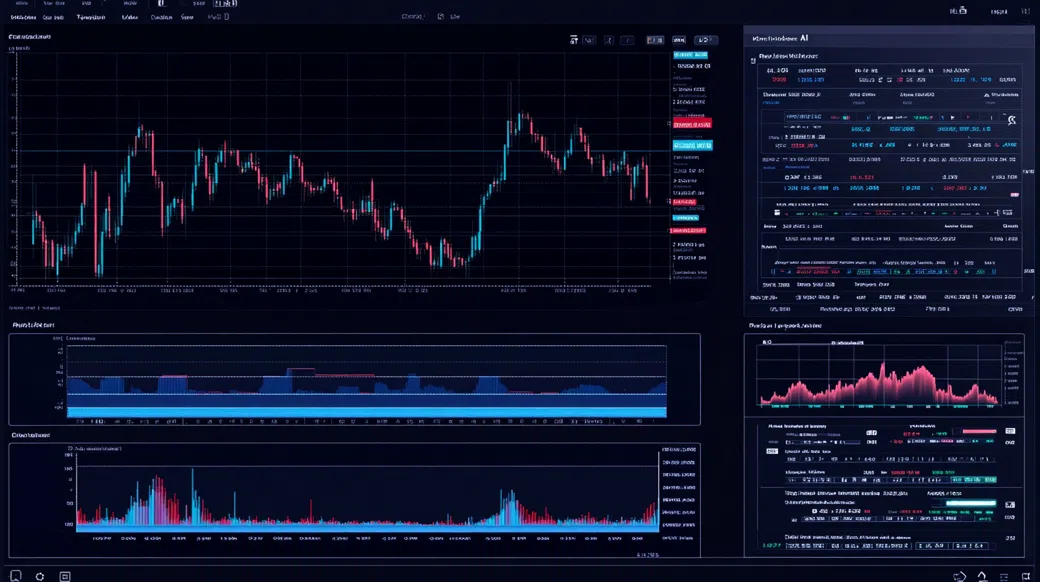
On desktop, the WebTrader stayed stable through repeated sessions, with clean watchlists, one-click dealing, and the core order controls (market, limit, stop, plus SL/TP). Execution on my test tickets felt consistent during the Asia session; the bigger variable was volatility, not platform lag. If you’re coming from MT4/MT5, you’ll miss the plug-in ecosystem and custom scripting, but the browser setup covers the essentials without extra installs.
The Rask Rentheim app mirrors the WebTrader layout closely, which reduces friction when you’re managing positions on the move. Rask Rentheim login on my device supported biometric unlock, and I could place/modify orders, set alerts, and initiate deposits and withdrawals without jumping to a separate portal. Push notifications were useful for margin and price alerts, though chart space is naturally tight on smaller screens, so I relied more on watchlists than deep multi-indicator builds.
Charting is practical: multiple timeframes, common indicators (MA, RSI, MACD, Bollinger), and basic drawing tools for levels and channels. The platform also bundled an economic calendar and an integrated news feed, enough to stay aware of CPI/FOMC risk without running another terminal. There’s a ceiling here—power users who live in MT5 or cTrader will find fewer automation and testing options—yet for discretionary trading, the toolset is serviceable.
From the signup page, the form asked for the usual trading profile inputs (contact details, residency, and a short experience/risk questionnaire), then pushed me into identity checks before I could lift limits. KYC required a government photo ID and a proof of address dated within three months; my verification cleared within the same business day after upload. The flow felt designed to satisfy AML rules without turning onboarding into a paperwork marathon.
For traders searching “Rask Rentheim minimum deposit”, the practical answer is that $200 is enough to get live pricing and risk controls running, but it’s not enough to treat 1:500 leverage casually. I funded via USDT to check confirmation speed and then placed small tickets to validate fills. If you want to compare the account tiers yourself, I’d start with Rask Rentheim on demo first, then go live once position sizing is nailed down.
I tested support with a specific question traders actually care about: how swap/overnight fees are displayed and whether they differ between Standard and Raw/ECN-style accounts. Live chat replied in roughly three minutes with a clear pointer to where the swap rates sit in the instrument details, plus a short explanation of triple-swap timing. I followed up by email asking about crypto withdrawal cut-offs, and got a usable response in about eight hours on a Singapore business day.
Coverage ran on a 24/5 pattern, which aligns with the CFD week, and agents appeared comfortable with platform and funding questions. Language options are serviceable but can vary by shift, and phone support looked region-dependent rather than universally available. Over weekends, expect slower replies unless the channel is explicitly staffed for crypto-related queries.
If you’re considering this broker, the sensible move is to verify pricing on the instruments you actually trade and confirm your country eligibility before funding big. Use the demo to map order types and margin behavior, then step into live with controlled size.
Visit Rask RentheimIt can be, but only if you treat leverage with respect and start on demo. The interface is not intimidating, and the Standard account keeps costs simple via spread-only pricing. Beginners should still expect a learning curve around margin, swaps, and risk controls.
Yes, crypto is available as CFDs, typically including BTC/USD and ETH/USD. You’re trading price exposure rather than holding coins on-chain, so there’s no wallet transfer or staking. Watch weekend financing and wider spreads during thin liquidity.
No, my testing did not show scam behavior: KYC was enforced and withdrawals processed within the stated window. The bigger point is oversight—this is an offshore-regulated CFD setup, so protections are not the same as with top-tier regulators. Always size positions assuming adverse moves can happen quickly.
No, the USA is restricted and accounts are not offered to US residents. That’s common for offshore CFD brokers due to local regulatory requirements. If you travel, eligibility is still tied to residency and KYC documents.
Most withdrawals are approved internally within 24–48 hours after KYC is complete. Receipt time then depends on the rail: cards usually take 2–5 business days, bank wires 3–7 business days, and crypto can arrive the same day. In my USDT test, the funds landed within a few hours after approval.
The Rask Rentheim minimum deposit is $200 for a live account. That’s enough to access live spreads and both account tiers (subject to availability), but it doesn’t leave much room for drawdowns if you over-leverage. New traders should keep position sizes small and use stops.
Yes, there are iOS and Android apps alongside the browser-based WebTrader. The app supports monitoring, order placement, and account actions like deposits and withdrawals. Biometric login is available on compatible devices, which makes quick risk checks easier.
Overall Score: 4.1/5
What stood out wasn’t marketing—it was the practical combination of a usable WebTrader, acceptable pricing on the Raw/ECN-style tier, and a market list that fits how most CFD traders actually operate (FX, indices, metals, then crypto for weekend risk). The offshore framework is the key constraint: you gain leverage and access, but you shoulder more responsibility around due diligence and dispute resolution. I’d keep expectations realistic, trade smaller than you think you need to, and treat margin as a consumable resource. For traders who understand the risk profile, Rask Rentheim is a credible venue in 2026—just remember CFDs can amplify losses as fast as they amplify gains.
Best for: active CFD traders in APAC/Africa who want 1:500 leverage and a clean Standard vs Raw/ECN choice. Avoid if: you require Tier-1 regulation, tight investor compensation schemes, or you’re prone to overtrading high leverage.