Prizantment Trading Platform Alternatives 2026
Prizantment trading platform alternatives 2026: compare regulated brokers, platforms, costs, and safety steps to switch with fewer surprises.

Prizantment trading platform alternatives 2026: compare regulated brokers, platforms, costs, and safety steps to switch with fewer surprises.
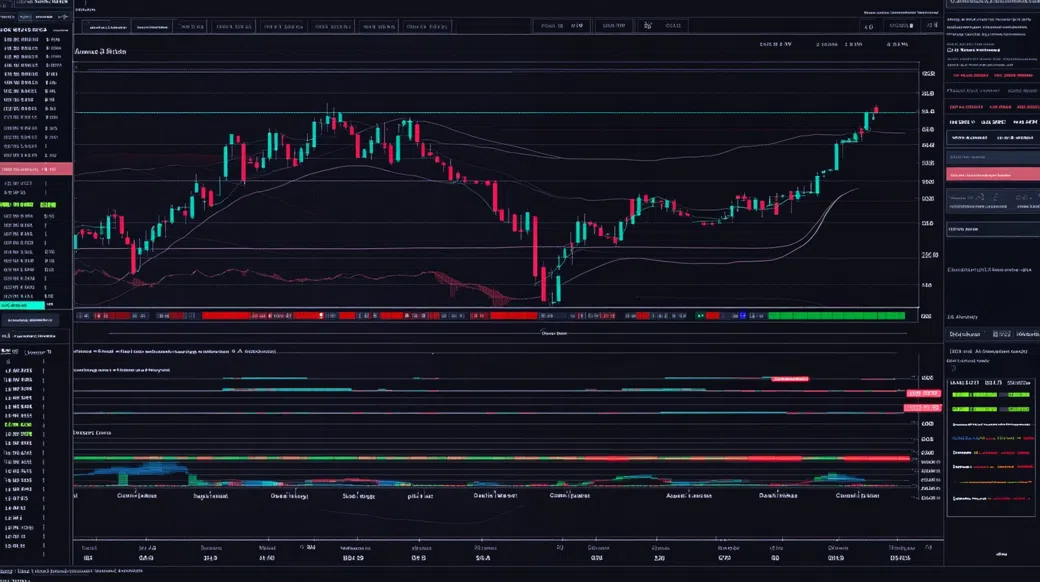
Liquidity is cheap until it isn’t—and the broker you route through matters most when spreads widen and fills slip. Prizantment sits in the offshore end of the CFD spectrum, typically offering forex and CFDs (often including crypto CFDs) through a proprietary WebTrader plus mobile apps. The package is familiar: accessible onboarding, a moderate minimum deposit (commonly around $250 in this segment), and leverage that can run high (you’ll often see up to 1:500). For a new trader, that can feel like “more opportunity.” For an experienced one, it’s a reminder that leverage accelerates mistakes and makes margin calls arrive fast.
Where traders start to hesitate is less about the UI and more about the plumbing—jurisdiction, client-money safeguards, and what happens when you need predictable withdrawals or dispute resolution. Offshore frameworks can leave fewer avenues if something goes wrong. That’s the real reason this guide exists: to map credible Prizantment alternatives—regulated venues with clearer rules on segregated client funds, negative balance protection (where applicable), and verifiable oversight.
Throughout, I’ll keep the comparison trader-first: cost per round turn, execution model (market maker vs STP/ECN/DMA), and product access (real stocks/ETFs vs stock CFDs). If you’re evaluating Prizantment or already trading there, use this as a structured way to pressure-test your options rather than chasing headline leverage.
Disclaimer: This article is for informational purposes only and does not constitute investment advice. CFDs and other leveraged products carry a high risk of loss and may not be suitable for all investors.
From what’s publicly observed across offshore CFD providers, Prizantment presents as a CFD-first brokerage brand, typically operating under an offshore registration (commonly seen under the Seychelles FSA in this category) rather than a top-tier retail regulator like the FCA, ASIC, CySEC, or the NFA/CFTC framework in the US. The product shelf generally centers on forex pairs (often 30–50), index and commodity CFDs, and a smaller menu of crypto CFDs. The target audience is usually retail traders who want simple access to leveraged markets rather than institutional-grade routing, deep reporting, or multi-venue share dealing—an important distinction when comparing brokers similar to Prizantment.
The core stack is typically a proprietary WebTrader with basic-to-mid charting—enough indicators and drawing tools to mark levels, but rarely the kind of multi-chart layouts, custom scripting, or strategy tooling active traders expect on MT5 or cTrader. Order entry usually covers market/limit/stop, with the experience leaning “click-to-trade” rather than advanced conditional logic. On execution, the feel tends to be acceptable in calm tape, while volatility can expose wider spreads and occasional slippage—exactly where execution model matters. Mobile apps on iOS/Android often mirror the WebTrader well for monitoring, but power features (alerts, templates, deep history exports) can be thinner.
Cost-wise, the common pattern is a spread-led Standard account—often around ~2.0 pips typical on EUR/USD—with higher leverage (frequently up to 1:500) and a minimum deposit commonly around $250. Some brokers in this bracket advertise a Raw/ECN-style tier; where that exists, it’s usually framed as 0.0–0.4 pips plus a round-turn commission in the $5–$8 range. Overnight financing (swap) is a meaningful line item for swing traders, and it’s also where “cheap spread” accounts can quietly get expensive. Depending on funding method, withdrawal or inactivity charges can show up—so treat the fee page as part of your risk checklist, not an afterthought.
Pressure builds when the trading plan outgrows the brokerage rails. A proprietary WebTrader can be fine for directional punts, yet it’s a constraint for systematic execution, detailed reporting, or multi-asset portfolios. Add the practical realities—jurisdictional protections, funding friction, and how disputes get handled—and many traders end up shortlisting Prizantment alternatives that sit under FCA/ASIC/CySEC/NFA-style supervision. That shift is less about brand preference and more about controlling operational risk: the risk you can’t hedge with a stop-loss.
Think of switching as matching broker infrastructure to your strategy. Your edge might be macro timing, options structure, or short-term execution—but the broker determines margin policy, fill quality, and what happens when something breaks. For alternatives to the Prizantment trading platform, I’d rank decisions in this order: legal safeguards first, then product access, then costs, then platform tooling. A pretty interface is nice; a clean failure mode is better.
Start with the regulator and verify it on the public register: FCA (UK), ASIC (Australia), CySEC (Cyprus/EU), and NFA/CFTC (US). Under the FCA, eligible clients may have FSCS coverage up to £85,000; under CySEC, the ICF can cover up to €20,000 (eligibility rules apply). Look for segregated client funds and clear negative balance protection terms. This is where regulated options vs Prizantment tend to separate quickly—especially if you’re trading leveraged CFDs where losses can stack fast.
Write down what you actually need to trade—not what you like browsing. FX and index CFDs cover many macro expressions, but stock/ETF ownership is a different thing from a stock CFD: different rights, different funding costs, different tax handling. If you run a derivatives playbook, check whether options and futures are genuinely exchange-traded (and on which venues) or simply mirrored as CFDs. For US/EU traders, access to local exchanges, UCITS ETFs, and transparent corporate actions matters more than a long list of synthetic tickers.
Cost comparison should be done on “all-in” basis: spread + commission + swap/overnight fee + any non-trading charges. A Raw account at 0.1 pips with a commission can beat a 1.0–1.2 pip spread-only account—but only if your trade frequency is high enough. If you scalp, round-turn cost and slippage dominate; if you swing, swaps and weekend financing are the slow leak. For context, offshore setups around Prizantment are often quoted near ~2.0 pips typical on EUR/USD on standard-style pricing, which is a useful anchor for comparison.
Platform choice is a strategy choice. MT4 is still common for legacy EAs; MT5 expands markets and tooling; cTrader tends to attract execution-focused FX traders. Proprietary platforms can be stable, but they often limit automation, custom indicators, or detailed logs. Ask what execution model you’re getting—market maker vs STP/ECN/DMA—and how that interacts with slippage, requotes, and stop execution during news. In fast markets, a “tight spread” screenshot is irrelevant if latency and fill policy are poor.
Support is part of risk management, not customer service theatre. Check contact channels, operating hours in your time zone, and whether complex tickets (corporate actions, margin disputes, funding issues) get handled by a specialist team. Education should go beyond webinars—look for margin calculators, contract specs, and clear fee schedules. Finally, ensure mobile parity is real: alerts, order modifications, and position-level reporting should work reliably when you’re away from the desk.
In FX/CFDs, Prizantment-style offshore brokers usually compete on accessibility and leverage rather than institutional-style pricing. A typical EUR/USD spread around ~2.0 pips on a standard tier is workable for occasional trades, but it’s punitive for active intraday strategies—especially when you layer in slippage around data releases. Regulated FX/CFD specialists like Pepperstone or OANDA tend to give you clearer execution choices (MT4/MT5/cTrader or proprietary), more transparent contract specs, and—crucially—regulatory accountability. If your edge depends on repeatability, you want stable margin policies and consistent fills more than you want 1:500 leverage. Remember: higher leverage increases position sensitivity; it doesn’t improve expectancy.
This is where the gap usually shows. Offshore CFD brokers frequently offer equities as CFDs (synthetic exposure with financing and no shareholder rights) rather than custody of real shares/ETFs. If you’re building a portfolio, that distinction is enormous: corporate actions, voting rights, dividend treatment, and long-horizon holding costs don’t behave the same way under CFDs. For traders who want genuine market access, Interactive Brokers (IBKR) is the benchmark for breadth—stocks, ETFs, options, futures, bonds—while Saxo Bank offers a strong multi-asset stack with research and platform depth. If “stocks” is on your checklist, prioritize brokers that clearly separate investing (cash equities/ETFs) from leveraged CFD trading.
Crypto exposure on platforms like Prizantment is commonly delivered via crypto CFDs, meaning you’re trading price movement without on-chain ownership or the ability to withdraw coins to a wallet. That can be fine for short-term views—just understand you’re taking broker counterparty risk on top of crypto volatility, and swaps can be meaningful when you hold positions overnight. Among regulated competitors to Prizantment, brokers like IG (jurisdiction-dependent) and Pepperstone often provide crypto CFDs within a more clearly supervised framework. If your goal is long-term ownership or transfers, a broker account may be the wrong tool entirely; but if you want leveraged directional exposure, choose a venue where product governance and risk disclosures are explicit.
Regulation: SEC/FINRA (US), FCA (UK), IIROC (Canada)
Markets: Stocks, ETFs, options, futures, bonds, FX, funds
Fees: FX spreads often from ~0.2–0.6 pips equivalent (varies); commissions depend on product and venue
Platform: Trader Workstation (TWS), IBKR Desktop/Mobile, APIs
Best For: Multi-asset traders who want real exchanges and deep tooling
Regulation: FCA, ASIC, CySEC, DFSA
Markets: FX, CFDs (indices, commodities, some shares), crypto CFDs (availability varies)
Fees: EUR/USD from ~0.0–0.3 pips on Razor/Raw + commission; ~1.0–1.2 pips on Standard (indicative)
Platform: MT4, MT5, cTrader, TradingView integrations (region-dependent)
Best For: Execution-focused FX traders using MT5/cTrader
Regulation: FCA, MAS, DFSA
Markets: Stocks, ETFs, options, futures, bonds, FX, CFDs
Fees: FX spreads often from ~0.6 pips (all-in varies by tier); commissions apply on shares/options/futures by market
Platform: SaxoTraderGO, SaxoTraderPRO
Best For: Portfolio builders mixing investing with tactical derivatives
Regulation: CFTC/NFA (US), FCA, ASIC, IIROC
Markets: FX, CFDs (availability varies by region)
Fees: EUR/USD commonly ~0.6–1.2 pips on spread-only pricing (indicative); swaps apply
Platform: OANDA Trade (web/mobile), MT4
Best For: US-eligible traders prioritizing strong regulatory footing
Regulation: FCA, ASIC, BaFin
Markets: CFDs (FX, indices, commodities, treasuries, shares), spread betting (UK/IE)
Fees: FX spreads often from ~0.7 pips on major pairs (indicative); share-CFD and other product charges vary
Platform: Next Generation platform, MT4 (region-dependent)
Best For: Active CFD traders who value charting and market scanning
Regulation: FCA, CySEC, ASIC
Markets: Stocks (real), ETFs (real), CFDs (region-dependent), crypto (availability varies)
Fees: Costs are typically embedded via spreads and product-specific fees; FX spreads often wider than raw-ECN style brokers
Platform: eToro web and mobile platform
Best For: Social-first investors who prefer simpler execution over pro tooling
| Platform | Regulation | Main Markets | Typical Costs | Best For |
|---|---|---|---|---|
| Interactive Brokers (IBKR) | SEC/FINRA, FCA, IIROC | Stocks/ETFs, options, futures, bonds, FX | FX often ~0.2–0.6 pips equiv; venue/product commissions vary | Multi-asset traders who want real exchanges and deep tooling |
| Pepperstone | FCA, ASIC, CySEC, DFSA | FX + CFD suite (indices/commodities; some shares) | Raw ~0.0–0.3 pips + commission; Standard ~1.0–1.2 pips (indicative) | Execution-focused FX traders using MT5/cTrader |
| Saxo Bank | FCA, MAS, DFSA | Stocks/ETFs, options, futures, FX, CFDs | FX often ~0.6 pips (tier-dependent); exchange commissions apply | Portfolio builders mixing investing with tactical derivatives |
| OANDA | CFTC/NFA, FCA, ASIC, IIROC | FX; CFDs in some regions | Spread-only commonly ~0.6–1.2 pips on EUR/USD (indicative) | US-eligible traders prioritizing strong regulatory footing |
| CMC Markets | FCA, ASIC, BaFin | CFDs across FX/indices/commodities/shares; spread betting (UK/IE) | FX often from ~0.7 pips; product charges vary by market | Active CFD traders who value charting and market scanning |
| eToro | FCA, CySEC, ASIC | Real stocks/ETFs; CFDs/crypto (region-dependent) | Spread-led pricing; typically not “raw spread” style | Social-first investors who prefer simpler execution over pro tooling |
Migration is a process, not a button click. Treat it like reducing counterparty exposure: verify the destination first, then unwind positions, then move cash in a clean, documented way. Done properly, you avoid the two classic mistakes—closing an account before the new one is verified, and triggering avoidable AML delays on withdrawals. Also, remember that leveraged CFDs can move against you quickly during the transition; flat risk is often the cheapest risk.
If you’re still evaluating the current offering, check today’s onboarding terms, eligible regions, and the platform features that matter to your strategy (order types, reporting, and funding methods). Then compare that side-by-side with the regulated substitutes in this guide before committing meaningful capital.
Visit PrizantmentThe best alternative depends on what you’re trading: for real stocks/ETFs plus options and futures, Interactive Brokers (IBKR) is hard to beat; for FX execution with MT5/cTrader, Pepperstone is a strong short-list candidate. If you want a balanced multi-asset platform with portfolio tools, Saxo Bank is a clean upgrade path. For US-based traders who need a tighter regulatory perimeter, OANDA is often the practical choice.
Prizantment appears to operate under an offshore regulatory framework (commonly seen under the Seychelles FSA category), which typically offers fewer investor-protection mechanisms than FCA/ASIC/CySEC/NFA-regulated brokers. That doesn’t automatically mean a platform is fraudulent, but it does change your downside if a dispute occurs. If safety is your priority, favor brokers with segregated client funds, transparent execution policies, and verifiable licenses on public registers—then size your leverage accordingly.
Prizantment is typically positioned around forex and CFDs, with crypto exposure usually delivered as crypto CFDs rather than on-chain ownership. Real stock/ETF investing and exchange-traded futures are often not the core offering in offshore CFD setups, or they appear mainly as CFDs with financing costs. If you need genuine exchange access to stocks/ETFs/futures, consider IBKR or Saxo; for crypto CFDs under tighter oversight, IG or Pepperstone can be worth comparing (availability depends on your jurisdiction).
Before switching, verify the new broker’s license on the regulator’s official register and read the client-money and negative-balance policies in the legal docs. Next, compare all-in trading costs (spread + commission + swap) and confirm the platform stack you require (MT4/MT5/cTrader, APIs, reporting). Finally, test funding and withdrawals with a small amount first—operational friction is often where the real risk hides.
About the Author: Daniel Okafor is a derivatives trader turned market analyst based in Singapore, covering APAC brokerages and global macro through a trader’s lens. He focuses on execution details, cost-of-trade, and risk controls—charts over chatter—so readers can compare platforms with fewer blind spots.