Plná Kapitovka Trading Platform Alternatives 2026
Compare Plná Kapitovka alternatives for 2026: regulated brokers, platform stacks, FX/CFD costs, and safety checks to help you switch with confidence.

Compare Plná Kapitovka alternatives for 2026: regulated brokers, platform stacks, FX/CFD costs, and safety checks to help you switch with confidence.
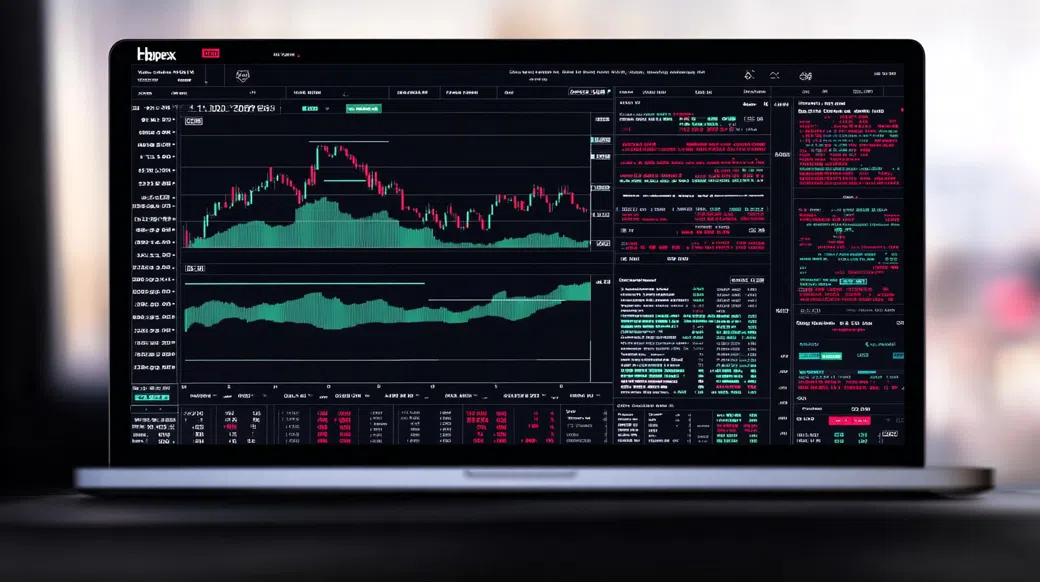
Leverage is a beautiful tool right up to the moment it isn’t. That’s usually where the search for sturdier infrastructure begins—better execution, clearer legal footing, and a platform you can actually build a process around. From what’s typically observable in offshore CFD venues, Plná Kapitovka looks positioned as a CFD-first broker offering forex and index/commodity CFDs, with crypto CFDs often in the mix. Expect a proprietary WebTrader with a companion mobile app, headline leverage that can run hot (around 1:500), and account economics that lean on spread revenue (EUR/USD commonly around 2.0 pips on a standard-style setup), with a minimum deposit often landing near $250.
That combination can suit short-term speculators who value quick onboarding and simple order tickets. Still, many serious retail traders eventually want more: regulator-grade rules around segregated client funds, negative balance protection where applicable, and a platform stack that supports MT4/MT5/cTrader or robust APIs. In 2026, the most practical Plná Kapitovka alternatives aren’t defined by “more leverage” or flashy bonuses; they’re defined by execution transparency, product breadth (real stocks and ETFs vs CFDs), and a compliance posture that holds up when withdrawals, disputes, or tax documentation get real.
Disclaimer: This article is for informational purposes only and does not constitute investment advice. CFDs and other leveraged products carry a high risk of loss and may not be suitable for all investors.
Across platforms like Plná Kapitovka, the operating pattern is familiar: a CFD-focused brokerage setup aimed at retail traders who want forex and major CFD markets in one place. Public-facing offers in this category commonly include 30–50 FX pairs, a smaller shelf of indices and commodities (roughly 8–15 indices and 5–10 commodities), and a short list of crypto CFDs (often 10–30 coins). The regulatory footprint, where it exists, is frequently offshore—Seychelles FSA is a common jurisdiction in this segment—so the practical risk question becomes less about the chart and more about the framework governing custody, dispute resolution, and conduct rules.
The proprietary WebTrader experience in this bracket is usually functional rather than deep. Charting tends to cover the basics—multiple timeframes, a standard indicator set, and drawing tools for trendlines and levels—without the extensibility that systematic traders expect. Order entry is typically streamlined (market/limit/stop; sometimes trailing stops), and the account dashboard focuses on margin usage, open P&L, and deposit/withdrawal flows. Mobile parity is generally decent for monitoring and execution on the move, but if your workflow depends on custom indicators, strategy testing, or EAs, competitors to Plná Kapitovka that support MT4/MT5 or cTrader often feel like stepping from a scooter into a touring bike.
Cost structure is where many traders notice the “tax” of convenience. A typical standard account in this offshore CFD lane often prints EUR/USD around 2.0 pips in normal liquidity, with wider spreads during data or illiquid sessions. Some brokers in the same segment advertise a raw/ECN-style tier—think 0.0–0.4 pips plus a $5–$8 round-turn commission—though the execution model and final all-in cost are what matter. Overnight financing (swap) can be meaningful for multi-day holds, and non-trading fees (withdrawal charges, inactivity fees) can bite if you’re running the account as a sporadic hedge rather than a daily trading book.
My chart-first bias says “price is truth,” but brokerage risk is plumbing, not price. The moment a trader starts caring about how orders are filled—slippage behavior, re-quotes, partial fills, and whether the broker is acting as a market maker or routing flow—Plná Kapitovka alternatives enter the conversation. Regulation matters here because it shapes incentives and enforcement, especially around marketing practices, segregated client funds, and how complaints are handled. Add high leverage (often near 1:500) and a 2.0-pip EUR/USD spread, and you have a setup where small frictions can snowball into large performance drag.
Think of broker selection as a fit-to-strategy exercise: your edge lives in execution, cost control, and operational certainty. “Cheapest headline spread” is rarely the full story; the right question is whether the broker’s rules and plumbing match your holding period, sizing, and the instruments you actually trade.
Start with the regulator’s public register: FCA (UK), ASIC (Australia), CySEC (EU), or NFA/CFTC (US) each impose conduct rules and supervision that offshore frameworks often don’t match. Under FCA oversight, eligible clients may fall under FSCS protection up to £85,000; under CySEC, ICF coverage can reach €20,000 (eligibility varies). Look for segregated client funds language, negative balance protection where required, and clear legal entity disclosure—those details matter more than a marketing banner.
Match the product shelf to your playbook. If you’re trading FX and index CFDs intraday, a strong FX/CFD specialist might be enough. If you rebalance portfolios, hedge with options, or rotate across global equities, you’ll want a multi-asset venue that offers real stocks and ETFs, plus listed options/futures where relevant. “Regulated options vs Plná Kapitovka” is a useful framing: it pushes you to separate true exchange-traded products from OTC CFD exposure.
Use round-turn cost as your comparison unit: spread (in pips) plus commissions (if any), translated into dollars per standard lot. A trader doing 200 standard lots a month can see hundreds to thousands of dollars swing on a 0.7–1.0 pip difference, before you even discuss alpha. Also scan swaps/overnight fees if you hold for days, plus inactivity and withdrawal fees that quietly bleed accounts during low activity.
Your platform is your instrument panel. MT4/MT5 and cTrader support automation, third-party tools, and more granular order control; proprietary platforms can be clean but closed. Execution model is the hinge: market maker internalization vs STP/ECN/DMA routing changes how you experience slippage and fills during volatility. If you’re moving away from Plná Kapitovka, replicate your strategy in a demo first and watch how stop orders behave around news candles.
Good support is measured in timestamps, not promises. Check service hours in your timezone, language coverage, and whether you can reach a human when margin is tight. Education matters for newer traders, but experienced ones should focus on operational UX: clean reporting, exportable statements for tax, and mobile apps that don’t crumble when markets gap. KYC/AML workflows should be strict yet predictable—uncertainty here often shows up later as withdrawal delays.
For FX and CFD traders, the most important comparison is rarely “max leverage.” It’s the cost-and-fill combo. In offshore CFD setups, EUR/USD around 2.0 pips on a standard account is common, and leverage can run up to about 1:500—great for small margin footprints, unforgiving when volatility jumps. Regulated brokers like Pepperstone or IC Markets are often used by systematic and high-frequency retail traders because they pair MT4/MT5/cTrader availability with sharper all-in pricing on raw-style accounts (typically tight spreads plus commission) and a clearer conversation about execution quality. If your strategy’s expectancy is measured in fractions of a pip, a small improvement in spread and slippage can matter more than adding another 200x leverage to the top line.
Equities are where the “what am I actually holding?” question becomes non-negotiable. Many CFD-first brokers provide stock exposure primarily via share CFDs—no shareholder rights, and pricing that can include financing costs if you hold overnight. If you want real stocks and ETFs (with corporate actions, voting where applicable, and proper position reporting), Interactive Brokers (IBKR) is the benchmark for breadth—US/EU equities, options, futures, bonds, and FX under strong regulatory umbrellas. Saxo Bank is another multi-asset alternative with a mature platform stack for investors who trade tactically across regions. For traders comparing alternatives to the Plná Kapitovka trading platform, this is usually the cleanest fork in the road: CFDs for short-term directional bets vs real securities for portfolio construction.
Crypto is often offered as CFDs in the offshore world: you’re trading price exposure, not moving coins on-chain, and you’re exposed to overnight financing plus weekend gap risk. If Plná Kapitovka offers crypto CFDs (a common pattern in this segment), treat it as a leveraged derivative product—size accordingly, because sharp moves can trigger margin calls fast. On the regulated side, IG and Plus500 commonly provide crypto CFDs (where permitted), with a clearer compliance perimeter and client disclosures that tend to be more standardized. The practical advantage isn’t “more coins”; it’s better-defined risk controls, more consistent reporting, and fewer surprises around product terms.
Regulation: SEC/FINRA (US), FCA (UK), IIROC (Canada) (entity depends on region)
Markets: Stocks, ETFs, options, futures, FX, bonds, funds (broad global access)
Fees: Varies by market; FX pricing is typically tight with commission-style schedules; equity commissions depend on venue and plan
Platform: Trader Workstation (TWS), IBKR Desktop/Web, mobile; API access
Best For: Multi-asset traders who want exchange-listed depth
Regulation: FCA (UK), ASIC (Australia), CySEC (EU), DFSA (Dubai)
Markets: FX and CFDs (indices, commodities, some crypto CFDs where allowed)
Fees: Standard spreads often around ~1.0+ pip on EUR/USD; Raw/Razor-style pricing commonly features tight spreads plus commission (all-in varies by account)
Platform: MT4, MT5, cTrader, TradingView integration (availability varies), mobile
Best For: Execution-focused FX traders running systematic setups
Regulation: FCA (UK), MAS (Singapore), DFSA (Dubai) (entity depends on region)
Markets: Stocks, ETFs, options, futures, FX, bonds, CFDs (wide multi-asset coverage)
Fees: Pricing varies by product and client tier; FX spreads are generally competitive, with costs depending on instrument and account level
Platform: SaxoTraderGO, SaxoTraderPRO
Best For: Portfolio-style traders mixing FX with listed markets
Regulation: FCA (UK), ASIC (Australia), MAS (Singapore)
Markets: CFDs (indices, FX, commodities, shares), spread betting (UK/IE), some crypto CFDs where permitted
Fees: CFD spreads vary by market; FX spreads are often competitive on major pairs; financing applies to overnight holds
Platform: IG web platform, mobile apps; MT4 offered in many regions
Best For: Macro traders who want broad CFD coverage with strong oversight
Regulation: CFTC/NFA (US), FCA (UK), ASIC (Australia), IIROC (Canada) (entity depends on region)
Markets: Primarily FX; CFDs available outside the US (indices/commodities depending on jurisdiction)
Fees: Typically spread-only pricing on many accounts; EUR/USD spreads often around ~0.6–1.2 pips in normal conditions (varies by region and market state)
Platform: OANDA web/mobile, MT4 (availability varies); API access in many regions
Best For: US-linked traders prioritizing transparent FX pricing
Regulation: FCA (UK), CySEC (EU), ASIC (Australia), MAS (Singapore)
Markets: CFDs (FX, indices, commodities, shares, some crypto CFDs where allowed)
Fees: Typically spread-based CFD pricing; overnight financing applies; costs vary by instrument and volatility
Platform: Proprietary web platform and mobile app
Best For: Simplicity-first CFD traders who avoid platform complexity
| Platform | Regulation | Main Markets | Typical Costs | Best For |
|---|---|---|---|---|
| Interactive Brokers (IBKR) | SEC/FINRA, FCA, IIROC (by entity) | Real stocks/ETFs, options, futures, FX, bonds | Market-dependent commissions; FX commonly commission-style with tight pricing | Multi-asset traders who want exchange-listed depth |
| Pepperstone | FCA, ASIC, CySEC, DFSA | FX + CFDs (indices/commodities; crypto CFDs where allowed) | Standard ~1.0+ pip; Raw/Razor tight spreads + commission (all-in varies) | Execution-focused FX traders running systematic setups |
| Saxo Bank | FCA, MAS, DFSA (by entity) | Stocks/ETFs, options, futures, FX, bonds, CFDs | Tiered pricing; competitive FX/CFD rates depending on product and level | Portfolio-style traders mixing FX with listed markets |
| IG | FCA, ASIC, MAS | CFDs across FX/indices/commodities/shares; spread betting (UK/IE) | Instrument-based spreads; financing on overnight CFD holds | Macro traders who want broad CFD coverage with strong oversight |
| OANDA | CFTC/NFA, FCA, ASIC, IIROC (by entity) | FX (core); CFDs outside US (varies) | Often spread-only; EUR/USD commonly ~0.6–1.2 pips in normal conditions | US-linked traders prioritizing transparent FX pricing |
| Plus500 | FCA, CySEC, ASIC, MAS | CFDs (FX, indices, commodities, shares; crypto CFDs where allowed) | Spread-based; overnight financing; volatility-sensitive pricing | Simplicity-first CFD traders who avoid platform complexity |
Switching brokers is less like “changing apps” and more like changing counterparties. Treat it as a controlled operational move: you’re managing KYC timing, open risk, and cash rails while markets keep moving. If you’re migrating away from Plná Kapitovka, avoid rushing—withdrawal and verification steps can collide, and leverage amplifies the damage if you’re forced to act under pressure.
If you’re still evaluating your options, review current onboarding steps, eligible regions (the US is commonly restricted), and the live platform stack before funding. Put spreads, swaps, and execution notes side-by-side with the regulated substitutes above, then decide what fits your strategy.
Visit Plná KapitovkaThe best alternative depends on whether you need real multi-asset access or just tighter FX/CFD execution. For true stocks/ETFs plus options and futures, Interactive Brokers (IBKR) is hard to beat; for FX-focused trading with MT4/MT5/cTrader, Pepperstone is a frequent pick. If your priority is broad CFD markets under strong oversight, IG is a solid reference point—making it a practical shortlist when comparing best Plná Kapitovka alternatives 2026.
Plná Kapitovka appears consistent with an offshore/unregulated CFD model (often seen under jurisdictions such as Seychelles FSA), which generally offers fewer investor-protection layers than FCA/ASIC/CySEC/NFA-regulated firms. That doesn’t automatically mean a trader can’t use it, but it does mean you should weight counterparty risk, withdrawal reliability, and client-money safeguards more heavily. In practice, regulated options vs Plná Kapitovka tend to provide clearer oversight, formal complaint routes, and defined compensation schemes where applicable.
Most brokers similar to Plná Kapitovka focus on forex and CFDs, and any stocks are typically offered as share CFDs rather than real equity ownership; listed futures are often not part of the standard product shelf. Crypto exposure, where available, is commonly through crypto CFDs—price exposure only, not on-chain coin ownership. If you need real stocks/ETFs or listed futures, platforms like Plná Kapitovka are usually a poor fit compared with IBKR or Saxo.
Before switching, verify the new broker’s exact legal entity on the regulator register (FCA/ASIC/CySEC/NFA) and confirm client-fund segregation and negative balance protection rules. Next, map your strategy requirements—MT4/MT5/cTrader, API access, or specific markets—so you don’t recreate the same limitations. Finally, test execution with small size first; with leverage in play, a sloppy migration can be more expensive than a few extra pips of spread.
About the Author: Daniel Okafor is a derivatives trader turned market analyst based in Singapore, covering APAC brokerages and global macro through the lens of execution, risk, and market structure. He focuses on the details that show up in trade logs—spreads, slippage, and financing—because that’s where real performance is won or lost.