Orveniqa App Trading Platform Alternatives 2026
Compare Orveniqa App alternatives for 2026: regulated brokers, platform stacks, typical FX/CFD costs, and a safer migration checklist for US/EU traders.

Compare Orveniqa App alternatives for 2026: regulated brokers, platform stacks, typical FX/CFD costs, and a safer migration checklist for US/EU traders.
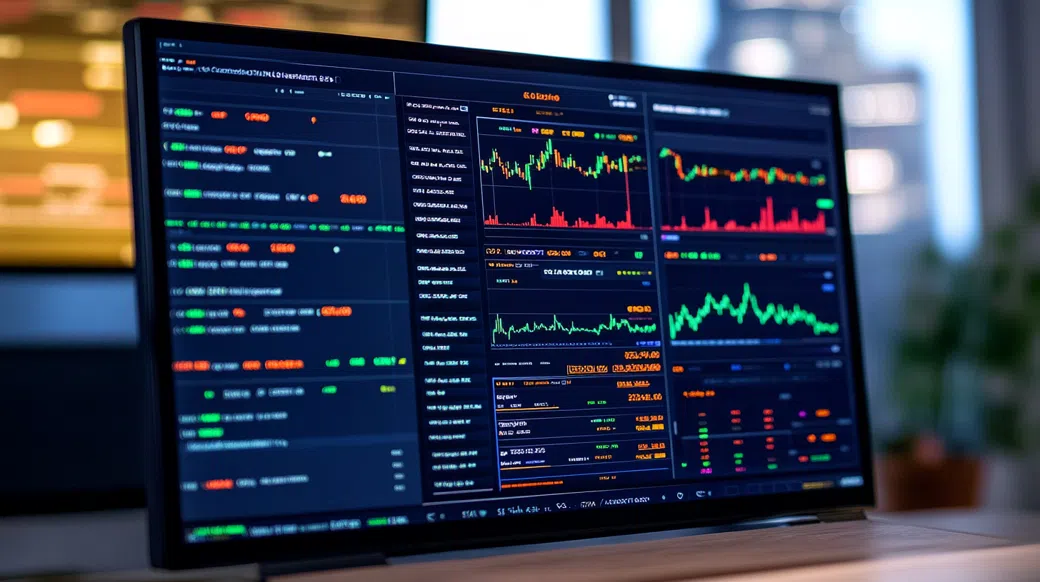
Price action doesn’t care about branding. Execution, costs, and rules do. That’s the lens I use when readers ask about the Orveniqa App—a CFD-first, offshore-style setup that typically runs a proprietary WebTrader plus mobile apps, with product shelves built around FX and index/commodity CFDs. In this category, the headline numbers can look punchy (leverage often promoted around 1:500), while the less glamorous details—order handling, funding friction, and what happens when a dispute lands—carry more weight than most new traders expect.
For 2026, the conversation around Orveniqa App alternatives has shifted from “Which platform has the most markets?” to “Which venue can I trust with margin and withdrawals when volatility spikes?” US and EU traders also face tighter product rules, KYC/AML checks, and—crucially—regulator-backed frameworks that govern how client funds are held. That’s why this guide leans on regulated, globally recognizable brokers that can plausibly serve a US/EU audience, with transparent pricing and mature platform stacks (MT4/MT5/cTrader or institutional-grade proprietary systems).
Below, I’ll map the typical feature set you see from offshore CFD apps against regulated options, then line up the best Orveniqa App alternatives 2026 by who they fit: macro hedgers, FX scalpers, ETF accumulators, or options and futures traders who need exchange access—not just a CFD wrapper.
Disclaimer: This article is for informational purposes only and does not constitute investment advice. CFDs and other leveraged products carry a high risk of loss and may not be suitable for all investors.
From what is publicly typical of offshore CFD apps, Orveniqa App presents as a retail trading venue focused on leveraged CFDs—primarily forex pairs, indices, commodities, and often a menu of crypto CFDs. The operating style usually aligns with a market-maker or hybrid model (your counterparty can be the broker), which isn’t automatically “bad,” but it makes transparency around execution and conflict management more important. Region access tends to be uneven: US clients are commonly blocked, and other jurisdictions may be restricted depending on sanctions and local rules. In the same segment, it’s also common to see an offshore registration (for this guide, think Seychelles FSA-type frameworks), which generally offers less investor recourse than FCA, ASIC, CySEC, or NFA regimes.
The usual stack here is a proprietary WebTrader with basic-to-mid charting, paired with iOS/Android apps that mirror most core functions. Expect standard order tickets (market/limit/stop), quick position management, and a straightforward account dashboard for margin, equity, and open P&L. Charting tends to be serviceable—popular indicators, a handful of drawing tools, and multi-timeframe views—but it often lacks the depth active traders want (custom scripting, strategy testing, advanced order routing). If you’re comparing platforms like Orveniqa App to regulated peers, platform maturity shows up in the small things: partial fills, stop behavior during gaps, and whether you can audit execution when slippage hits.
Cost disclosure in offshore CFD apps is frequently spread-centric, with less clarity on all-in trading cost. A typical reference point is EUR/USD “from ~2.0 pips” on a standard-style account. Some brokers in this bracket also advertise a raw/ECN-like tier (often ~0.0–0.4 pips plus roughly $6–$8 round-turn commission), but the real comparison is what you pay after spreads, commissions, and execution effects are counted. Overnight financing (swap) applies to most CFD positions held past rollover, and it can dominate costs for swing traders. Also watch for non-trading charges—withdrawal and inactivity fees are where many traders feel the pinch.
Margin is unforgiving, and the weakest link is rarely your entry signal. The first cracks usually appear around withdrawals, execution quality, or the mismatch between a trader’s strategy and the platform’s toolset. That’s when Orveniqa App alternatives move from a “nice to have” to a risk-control decision: if your account size grows, the value of stronger oversight, clearer disclosures, and predictable trade processing rises sharply. I’d also flag product fit—if you need real ETFs, exchange-listed futures, or options, a CFD-only environment can’t manufacture those capabilities.
I treat broker selection like building a trading system: define the failure modes first, then optimize costs. For alternatives to the Orveniqa App trading platform, start by deciding what you cannot compromise on—regulatory protection, specific markets, platform capabilities, or funding rails—then rank candidates by the all-in cost of executing your actual trade frequency.
Regulation is less about a logo and more about enforceable rules: capital requirements, complaint processes, and custody standards. For US/EU readers, the relevant names are FCA (UK), CySEC (EU), ASIC (Australia), and NFA/CFTC (US). Under FCA oversight, eligible clients may have FSCS coverage up to £85,000; under CySEC, the ICF can cover up to €20,000—both subject to terms. Segregated client funds matter too: it reduces, but doesn’t erase, the risk if a firm fails. That’s the regulated options vs Orveniqa App trade-off in one line: stronger recourse, typically lower headline leverage, and better disclosure.
Write your “must-trade” list before you compare spreads. FX and index CFDs are widely available, but real stocks/ETFs, bonds, and exchange-listed futures/options are a different tier of access. Macro hedgers often want Treasuries, index options, or futures; long-term investors often want real ETFs and fractional shares. Brokers similar to Orveniqa App may offer equities only as CFDs, which changes everything: no voting rights, different financing, and different taxation considerations depending on jurisdiction.
Ignore “from” spreads until you can compute your round-turn cost on the pairs you actually trade. For EUR/USD, that means spread plus any commission (round-turn) plus the expected slippage profile in your session. Swap/overnight fees are the quiet tax on holding CFDs, and they can dwarf entry costs for multi-day positions. If you trade intermittently, inactivity charges and withdrawal fees also matter more than most marketing pages admit.
Platform choice is strategy choice. MT4/MT5 remains common for EAs and indicator ecosystems; cTrader is popular with scalpers for depth-of-market and clean order handling; institutional-style proprietary platforms can be excellent for multi-asset workflows. Execution model is the other half: market maker vs STP/ECN/DMA affects how orders are filled and how you interpret slippage during fast markets. A broker can be cheap on paper and still expensive if fills consistently arrive a few tenths of a pip worse than expected.
Support quality becomes visible when something breaks: a margin call you don’t understand, a corporate action on a CFD, or a funding query that needs a human. Look for 24/5 coverage for FX, local language availability, and clear escalation paths. Education should be more than webinars—good brokers publish product disclosures, margin examples, and platform guides that match the tools traders actually use. Mobile parity matters too; if you manage risk from your phone, the app must handle stops and alerts reliably.
For FX and index CFDs, the main comparison points are pricing transparency and execution behavior. Offshore CFD apps commonly advertise leverage around 1:500 and keep the cost story simple—EUR/USD often around 2.0 pips on a standard-style account—while leaving the trader to discover how spreads widen at rollover or around data releases. In regulated venues, leverage is typically more constrained (especially in the UK/EU), but the trade-off is more predictable protections and clearer disclosures. Pepperstone and IG are good examples of what “mature” looks like here: multiple platforms, more robust reporting, and pricing structures that let you choose between spread-only or raw-plus-commission. If you’re comparing competitors to Orveniqa App for a scalping playbook, pay attention to slippage during your active session (London/NY overlap) rather than the quiet-hours spread screenshot.
Stocks and ETFs are where many traders hit the ceiling fastest. In the offshore CFD app world, equities—if offered—are frequently CFDs, meaning you’re trading a derivative reference price rather than holding the underlying security. That affects rights, financing, and sometimes the way dividends are handled (cash adjustments rather than actual distributions). Regulated multi-asset brokers close this gap. Interactive Brokers is the obvious heavyweight for US/EU clients who want exchange access across equities, ETFs, options, futures, and bonds, with a professional-grade order stack. Saxo Bank is another strong route for investors who want a clean multi-asset screen and research workflow in one place. If your plan involves building a long book of ETFs alongside tactical hedges, that’s a different problem than shorting an index CFD—and it calls for a different broker architecture.
Crypto exposure can mean two very different things. Many CFD-first apps offer crypto CFDs—price exposure with leverage, no on-chain withdrawal, and financing costs that can be steep if you hold. That’s not “bad,” but it’s not ownership, and it behaves differently under stress (weekend gaps, liquidity pockets, and wider spreads). For traders who want regulated crypto CFD access, IG and Plus500 are commonly used in permitted jurisdictions, with clearer product documentation than you’ll usually find in offshore setups. If your objective is long-term crypto custody, a CFD platform is the wrong tool entirely; you’d be looking at regulated spot venues and separate wallet practices. For short-term directional trades, though, regulated CFD wrappers can be acceptable—provided you understand margin, liquidation risk, and the broker’s weekend pricing approach.
Regulation: SEC/FINRA (US), FCA (UK), IIROC (Canada) (group-level oversight varies by entity)
Markets: Stocks, ETFs, options, futures, FX, bonds, funds (availability depends on region)
Fees: FX pricing is typically commission-based with tight spreads; equity/option pricing varies by market and tier
Platform: Trader Workstation (TWS), IBKR Mobile, Client Portal API tools
Best For: Exchange-access multi-asset traders (options/futures + ETFs)
Regulation: FCA (UK), ASIC (Australia), CySEC (EU), DFSA (DIFC)
Markets: FX and CFDs (indices, commodities; product list varies by entity)
Fees: EUR/USD often ~0.0–0.3 pips plus commission on Raw-style accounts; ~1.0–1.2 pips typical on Standard-style pricing
Platform: MT4, MT5, cTrader, TradingView (integration varies)
Best For: Systematic FX traders needing MT4/MT5/cTrader
Regulation: FCA (UK), ASIC (Australia), MAS (Singapore)
Markets: CFDs on FX, indices, commodities, shares; additional products depend on jurisdiction
Fees: FX spreads commonly from ~0.6 pips on major pairs (spread-only on many accounts); financing costs apply on CFDs
Platform: IG Trading Platform, L2 Dealer (region-dependent), MT4 (where available)
Best For: Macro index-CFD traders who value robust risk tools
Regulation: FCA (UK), MAS (Singapore), DFSA (DIFC) (entity coverage depends on where you onboard)
Markets: Stocks, ETFs, bonds, FX, options, futures, CFDs
Fees: Tiered pricing by account level; FX spreads typically tighter on higher tiers; commissions apply on exchange products
Platform: SaxoTraderGO, SaxoTraderPRO
Best For: Portfolio-style traders mixing ETFs with derivatives hedges
Regulation: CFTC/NFA (US), FCA (UK), ASIC (Australia), IIROC (Canada)
Markets: FX and CFDs (availability varies by region; US entity is FX-focused)
Fees: Spread-based pricing; majors often around ~0.6–1.2 pips depending on market conditions; swap applies where relevant
Platform: OANDA Web, mobile apps, MT4 (availability varies)
Best For: US-eligible FX traders prioritizing oversight and transparency
Regulation: FCA (UK), CySEC (EU), ASIC (Australia), MAS (Singapore)
Markets: CFDs (FX, indices, commodities, shares; crypto CFDs subject to jurisdiction)
Fees: Spread-only model; costs vary by instrument and volatility; overnight fees apply to held positions
Platform: Plus500 proprietary WebTrader and mobile apps
Best For: Simplicity-first CFD traders who don’t need MT4/MT5
| Platform | Regulation | Main Markets | Typical Costs | Best For |
|---|---|---|---|---|
| Interactive Brokers (IBKR) | SEC/FINRA, FCA, IIROC | Stocks/ETFs, options, futures, FX, bonds | Commission-led pricing; tight FX spreads typical; exchange fees/commissions vary | Exchange-access multi-asset traders (options/futures + ETFs) |
| Pepperstone | FCA, ASIC, CySEC, DFSA | FX + CFDs (indices/commodities) | Raw: ~0.0–0.3 pips + commission; Standard: ~1.0–1.2 pips (market-dependent) | Systematic FX traders needing MT4/MT5/cTrader |
| IG | FCA, ASIC, MAS | CFDs on FX/indices/commodities/shares | Majors often from ~0.6 pips; financing on held CFD positions | Macro index-CFD traders who value robust risk tools |
| Saxo Bank | FCA, MAS, DFSA | Stocks/ETFs, FX, options, futures, CFDs, bonds | Tiered spreads/commissions; tighter pricing on higher tiers; commissions on exchanges | Portfolio-style traders mixing ETFs with derivatives hedges |
| OANDA | CFTC/NFA, FCA, ASIC, IIROC | FX (plus CFDs in some regions) | Spread-based; majors often ~0.6–1.2 pips depending on conditions; swaps apply | US-eligible FX traders prioritizing oversight and transparency |
| Plus500 | FCA, CySEC, ASIC, MAS | CFDs (FX/indices/commodities/shares; crypto CFDs where permitted) | Spread-only; variable by volatility; overnight fees on held positions | Simplicity-first CFD traders who don’t need MT4/MT5 |
Switching platforms is less about clicking “close account” and more about sequencing cash, risk, and paperwork. I’d treat it like reducing exposure ahead of a major event: flatten what you can, verify the new venue, then transfer funds with minimal operational surprises. If you’re moving from Orveniqa App to a regulated broker, remember that leveraged products can amplify losses during the transition—especially if you keep positions open while changing margin rules and contract specs.
If you’re still evaluating the original platform, compare today’s onboarding flow, supported countries, and fee schedule against the regulated substitutes listed above. Check the platform stack you’ll actually trade on—web, mobile, or MT4/MT5/cTrader—and verify product eligibility in your region before funding.
Visit Orveniqa AppThe best choice depends on whether you need exchange-traded products or mainly FX/CFDs. For real stocks/ETFs plus options and futures, Interactive Brokers is usually the strongest step up; for FX execution with MT4/MT5/cTrader, Pepperstone is a frequent pick. If you want a simpler CFD-only interface under well-known regulation, IG or Plus500 can fit better than many offshore apps.
Orveniqa App appears consistent with an offshore/unregulated-style CFD provider (often associated with Seychelles FSA-type frameworks), which typically offers less formal investor protection than FCA, CySEC, ASIC, or NFA regimes. Safety isn’t only about platform uptime; it’s also about segregation of funds, complaint avenues, and what happens if a firm fails. For higher confidence, traders usually prioritize regulated Orveniqa App alternatives with clear legal entities and published risk disclosures.
With offshore CFD apps, stocks and ETFs are often offered as CFDs (if offered at all), while exchange-listed futures are typically not part of the core lineup. Crypto is commonly available as crypto CFDs—price exposure without on-chain ownership or wallet withdrawals. If you want real stocks/ETFs and listed futures/options, Interactive Brokers or Saxo Bank are more appropriate than Orveniqa App.
Verify the new broker’s regulator entry first, then confirm the exact legal entity you’re signing with and the product rules in your country. Next, compare round-turn trading cost (spread + commission + typical slippage) and read the margin/negative-balance terms. Finally, plan the operational steps: KYC the new account, export statements, and withdraw using the original funding method to reduce AML friction.
About the Author: Daniel Okafor is a derivatives trader turned market analyst based in Singapore, focused on APAC brokerages and global macro. He evaluates platforms the way a desk would: execution first, risk controls second, and marketing claims last. Charts over chatter.