Noble Fundmere Trading Platform Alternatives 2026
A risk-aware guide to Noble Fundmere alternatives in 2026. Compare regulated brokers, markets, platforms, and costs, plus a safe migration checklist.

A risk-aware guide to Noble Fundmere alternatives in 2026. Compare regulated brokers, markets, platforms, and costs, plus a safe migration checklist.
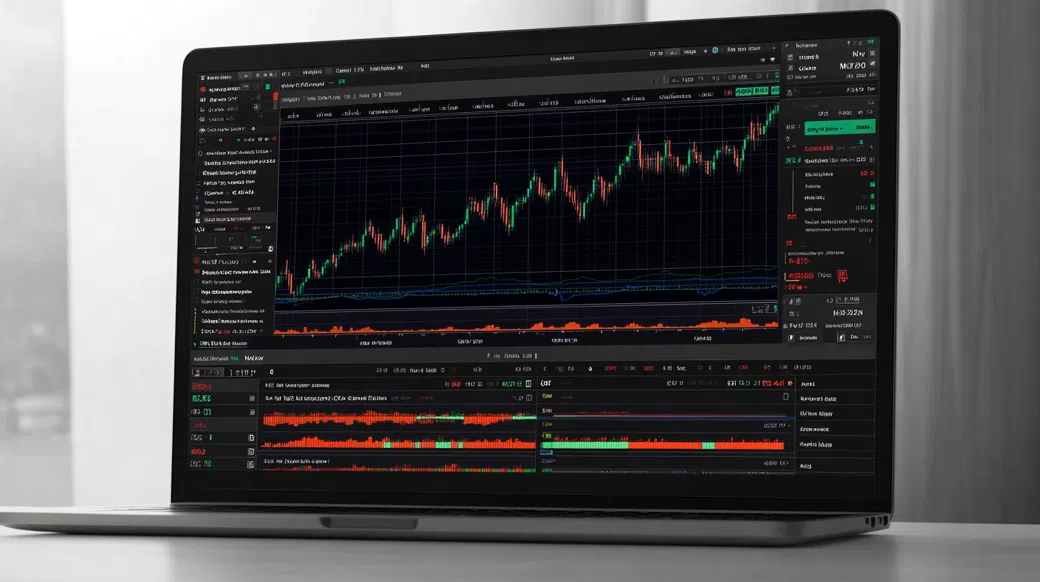
Leverage is a sharp tool: it cuts spreads and timeframes, but it also cuts accounts when volatility spikes. That’s the backdrop for this review of Noble Fundmere and the practical choices traders weigh when they want tighter execution, broader market access, or a firmer regulatory footing. From what’s commonly observable in the offshore CFD segment, Noble Fundmere presents as a forex-and-CFD-first venue with a proprietary WebTrader and mobile app, headline leverage that can run up to 1:500, and entry-level funding that typically starts around $250. The usual product mix in this category is heavy on FX pairs (roughly a few dozen), indices and commodities, and a crypto CFD list that’s more “major coins” than “deep alt exposure.”
So why does 2026 feel like a year traders reassess? Because the difference between “a platform that works” and “a platform that protects” becomes obvious only when something goes wrong: a fast market, an unexpected margin call, a withdrawal review, or a dispute about pricing. If you’re searching for Noble Fundmere alternatives, the objective isn’t a shiny interface—it’s controllable risk: transparent costs, clearer investor safeguards, and a platform stack that fits how you actually trade (manual, automated, or multi-asset). This guide focuses on regulated options vs Noble Fundmere, with a US/EU lens, and it leans on broker fundamentals—execution model, total trading cost, and market access—more than marketing slogans.
Disclaimer: This article is for informational purposes only and does not constitute investment advice. CFDs and other leveraged products carry a high risk of loss and may not be suitable for all investors.
From a trader’s seat, Noble Fundmere looks like a classic CFD venue built for short-term positioning rather than long-horizon portfolio building. The product center of gravity is typically forex and index/commodity CFDs, with crypto CFDs often available as a supplemental list. Access is usually delivered through a proprietary WebTrader plus mobile apps, which fits the “trade anywhere” pitch but can limit advanced workflows that power users rely on—think algorithmic execution, custom indicators, and institutional-grade order routing. For people comparing brokers similar to Noble Fundmere, the key question is not only what you can trade, but what happens to your trade when spreads widen, liquidity thins, or price gaps through your stop.
Start with the chart: Noble Fundmere’s WebTrader-style stack in this segment is usually basic-to-mid, with standard timeframes, common indicators, and enough drawing tools to map levels and trend structure. Order entry typically covers market and limit orders, plus stop-loss and take-profit controls, but it’s not the same as having depth-of-market, advanced conditional orders, or robust trade analytics. Mobile parity tends to be decent for monitoring and basic execution, though fast re-quotes and slippage management are harder to judge without a transparent execution report. The account dashboard generally focuses on margin, equity, and open P&L—useful, but not the same as detailed cost breakdowns by trade.
On costs, the offshore CFD playbook is familiar. A “Standard” style pricing model often shows EUR/USD around ~2.0 pips as a typical spread, while a Raw/ECN-style tier (when offered in this category) may advertise ~0.0–0.4 pips plus a commission in the $5–$8 round-turn range. Add the less-visible line items: swap/overnight financing on CFD positions held past rollover, potential withdrawal fees depending on payment rail, and occasional inactivity charges after extended dormancy. In short, platforms like Noble Fundmere can look inexpensive on a banner, yet cost more once you tally holding costs and real-world slippage.
Most switches happen after a “stress test” event—an outsized data print, a weekend gap, or a period where liquidity feels thin and fills get messy. In that moment, the decision becomes less about interface preference and more about controllable outcomes: how disputes are handled, whether negative balance protection is explicit, and how predictable the withdrawal process is. Noble Fundmere alternatives tend to attract traders who want a clearer regulatory perimeter, broader instruments (especially real stocks/ETFs), or platform support for systematic trading.
Think of broker selection as a fit-to-strategy exercise with a risk budget attached. Your edge can survive a wider spread; it usually can’t survive an execution mismatch, a margin policy surprise, or weak recourse when things go sideways. The best substitutes for Noble Fundmere are the ones that match your instrument needs and trading style while tightening the safety net around custody, pricing, and dispute resolution.
Start with the regulator, then work down to policy detail. FCA (UK), ASIC (Australia), CySEC (Cyprus), and NFA/CFTC (US) each impose different standards on marketing, reporting, and client money. In the UK, FSCS coverage can reach £85,000 for eligible claims; in Cyprus, the ICF can cover up to €20,000 for eligible clients. Look for segregated client funds, clearly stated negative balance protection where applicable, and a documented complaints pathway—not just a chat widget.
Product breadth is not a vanity metric; it determines whether you’re hedging properly or improvising with correlated proxies. If you only trade FX and index CFDs, a specialist can be fine. If you want real US/EU stocks, ETFs, listed options, or futures, you’ll need a multi-asset venue with exchange access rather than CFDs only. Competitors to Noble Fundmere often split into two camps: FX/CFD specialists optimized for execution, and multi-asset brokers built for portfolio-style exposure.
Compare costs like a trader, not like an ad reader. The right unit is the round-turn: spread cost + commission + the slippage you actually experience. Then add the slow leak—swap/overnight fees—if you hold CFD positions beyond a session. Inactivity and withdrawal fees matter too, especially for swing traders who may trade less frequently. A broker showing “from 0.0 pips” can still be pricey if commissions and execution quality don’t hold up during news.
Platform choice dictates what you can test, automate, and control. MT4/MT5 and cTrader support automation and a deeper ecosystem; proprietary platforms can be clean but closed. Execution model also matters: market maker vs STP/ECN vs DMA. In fast markets, slippage and latency decide outcomes more than your indicator settings. If you’re benchmarking alternatives to the Noble Fundmere trading platform, demand clarity on order handling, stop execution, and whether price improvement is even on the table.
Support quality is operational alpha. Check hours, languages, and whether the broker has a reliable path for escalations. Good education isn’t a webinar library; it’s clear margin policy docs, transparent fee schedules, and platform guides that reduce avoidable errors. Mobile parity matters if you manage risk on the move, but desktop tooling matters if you analyze, journal, and iterate. If you’re coming from Noble Fundmere, map your “must-haves” before you map your indicators.
Forex and CFDs are where Noble Fundmere is most likely concentrated: roughly 30–50 FX pairs, a modest set of indices, and a small commodities slate. Leverage up to 1:500 can feel attractive, but it compresses error tolerance; a small adverse move becomes a margin event faster than many new traders expect. Cost-wise, a typical ~2.0 pip EUR/USD spread profile can be workable for swing trading, yet it’s a headwind for scalpers and high-turnover systems. For regulated options vs Noble Fundmere, consider FX/CFD specialists like Pepperstone or OANDA—both are known for stronger regulatory frameworks and mature platform stacks (MT4/MT5/cTrader or robust proprietary tools), which helps when you’re managing slippage around macro releases.
Stocks and ETFs are where many offshore CFD venues show their limits. Even if equities are offered, it’s commonly via CFDs on shares—no shareholder rights, no participation in corporate actions in the same way as owning the underlying, and financing costs that can surprise longer-term holders. If your 2026 plan includes building exposure to US/EU equities, regulated multi-asset brokers close that gap. Interactive Brokers is the benchmark for breadth (stocks, ETFs, options, futures, bonds, FX) with exchange access, while Saxo Bank caters to traders who want a curated multi-asset experience and strong tooling. This is one of the clearest “why” cases for Noble Fundmere alternatives: real market access changes the game for portfolio construction and risk hedging.
Crypto on CFD platforms is usually exposure to price movement, not on-chain ownership. That means no wallet withdrawals, no staking, and no transferring assets to self-custody—just a derivative contract with funding and spread costs. Noble Fundmere’s crypto list in this segment is typically 10–30 coins, enough for majors but not built for deep token rotation. If you want regulated crypto CFD exposure, IG (where available by region) and Plus500 are often considered for their simpler risk controls and established compliance standards. If your goal is actual crypto ownership, you’re usually looking outside the CFD brokerage world entirely. For traders seeking platforms like Noble Fundmere but with stronger guardrails, prioritize clear product classification and transparent overnight funding.
Regulation: SEC/FINRA (US), FCA (UK), IIROC (Canada)
Markets: Stocks, ETFs, options, futures, bonds, FX, funds (varies by region)
Fees: FX spreads can be very competitive on major pairs; commissions depend on product and venue (tiered/fixed schedules)
Platform: Trader Workstation (TWS), IBKR Desktop/Mobile, Client Portal; APIs available
Best For: Multi-asset traders who want exchange access and deep tooling
Regulation: FCA (UK), ASIC (Australia), CySEC (Cyprus), DFSA (Dubai)
Markets: FX, CFDs (indices, commodities, some crypto CFDs depending on region)
Fees: Raw-style accounts often show EUR/USD from ~0.0–0.3 pips + commission; Standard pricing typically from ~1.0+ pip equivalent
Platform: MT4, MT5, cTrader, TradingView integration (availability varies)
Best For: Execution-focused FX traders running EAs or short-horizon strategies
Regulation: FCA (UK), MAS (Singapore), DFSA (Dubai)
Markets: Stocks, ETFs, options, futures, bonds, FX, CFDs (offering varies by entity)
Fees: Pricing depends on tier; FX spreads and commissions vary by account level and market; equity commissions are schedule-based
Platform: SaxoTraderGO, SaxoTraderPRO
Best For: Portfolio-style trading with professional-grade research and risk controls
Regulation: CFTC/NFA (US), FCA (UK), ASIC (Australia), IIROC (Canada)
Markets: FX (core), CFDs in some regions (indices/commodities); offering differs by jurisdiction
Fees: Typically spread-based pricing; majors can be competitive, with costs dependent on volatility and session liquidity
Platform: OANDA web/mobile platforms, MT4 (availability varies)
Best For: Risk-first FX traders who value transparent pricing and strong oversight
Regulation: FCA (UK), ASIC (Australia), MAS (Singapore)
Markets: CFDs (indices, FX, commodities, shares), spread betting (UK/IE), some crypto CFDs where permitted
Fees: Typically competitive spreads on major FX pairs and indices; financing applies to overnight CFD holds
Platform: IG web platform, mobile apps; MT4 supported in many regions
Best For: Macro-driven CFD traders who want broad index coverage and robust risk features
Regulation: FCA (UK), CySEC (Cyprus), FSC (Bulgaria)
Markets: Stocks and ETFs (investment accounts), CFDs (where available)
Fees: Investing accounts emphasize low explicit dealing costs; CFD pricing is spread-based with overnight financing on holds
Platform: Proprietary web and mobile platform
Best For: EU/UK investors who want simple stocks/ETFs alongside light CFD use
| Platform | Regulation | Main Markets | Typical Costs | Best For |
|---|---|---|---|---|
| Interactive Brokers (IBKR) | SEC/FINRA, FCA, IIROC | Stocks/ETFs, options, futures, bonds, FX | Product-based commissions; FX often very sharp on majors | Multi-asset traders who want exchange access and deep tooling |
| Pepperstone | FCA, ASIC, CySEC, DFSA | FX and CFDs | Raw ~0.0–0.3 pips + commission; Standard ~1.0+ pip equivalent | Execution-focused FX traders running EAs or short-horizon strategies |
| Saxo Bank | FCA, MAS, DFSA | Multi-asset (stocks/ETFs/options/futures/FX/CFDs) | Tiered pricing; schedule-based commissions and spreads | Portfolio-style trading with professional-grade research and risk controls |
| OANDA | CFTC/NFA, FCA, ASIC, IIROC | FX (plus some CFDs by region) | Mostly spread-based; varies by session volatility | Risk-first FX traders who value transparent pricing and strong oversight |
| IG | FCA, ASIC, MAS | CFDs and spread betting (region-specific) | Competitive spread-led pricing; overnight financing on CFD holds | Macro-driven CFD traders who want broad index coverage and robust risk features |
| Trading 212 | FCA, CySEC, FSC (Bulgaria) | Stocks/ETFs (investing) + CFDs (where offered) | Low explicit dealing costs on investing; CFD spreads + financing | EU/UK investors who want simple stocks/ETFs alongside light CFD use |
Migration is not a “close account, open account” chore—it’s a controlled unwind. Treat it like reducing exposure into an event: keep records, avoid overlapping leverage, and confirm the new venue works before you move size. If you’re leaving an offshore-style CFD setup, the biggest risks are operational (withdrawals, verification delays) and market (forced liquidation from poor sequencing), not just spreads.
If you’re still evaluating whether to stay put or switch, review the current onboarding flow, product list, and margin terms in your region first. Then compare those terms against regulated Noble Fundmere alternatives—especially platform support, funding/withdrawal rules, and total trading cost under your strategy.
Visit Noble FundmereThe best option depends on what you’re trying to fix—market access, execution, or regulatory oversight. For true multi-asset exposure (stocks/ETFs/options/futures), Interactive Brokers is hard to beat; for FX execution and automation, Pepperstone is a common choice. If your trading is macro-CFD driven with broad index coverage, IG is often a strong substitute in regions where it’s available.
Noble Fundmere appears to operate under an offshore/unregulated-style framework consistent with the broader CFD segment rather than a top-tier regime like the FCA, ASIC, CySEC, or NFA. That doesn’t automatically mean “unsafe,” but it usually means fewer formal protections and weaker recourse if a dispute arises. For many traders, that gap is the main reason regulated options vs Noble Fundmere make the shortlist.
With Noble Fundmere, stocks and ETFs—if offered—are typically accessed as CFDs rather than direct ownership, and listed futures are commonly not part of the standard offshore CFD menu. Crypto exposure is usually via crypto CFDs (price exposure, not on-chain ownership). If you want exchange-traded stocks, options, or futures, brokers like IBKR or Saxo Bank are better aligned to that requirement.
Verify the new broker’s legal entity on the regulator’s public register, then read the client money, margin call, and negative balance protection policies line by line. Next, compare round-turn costs under your trade size (spread + commission + expected slippage), not just an advertised “from” spread. Finally, complete KYC and test small before moving full capital so you don’t turn a platform change into a leverage accident.
About the Author: Daniel Okafor is a derivatives trader turned market analyst based in Singapore, covering APAC brokerages and global macro through the lens of execution, cost, and risk. He focuses on platform mechanics—spreads, slippage, margin policy, and market structure—because charts are louder than commentary.