Luna Rendisto Review 2026: Is It Safe & Worth Your Money?
In-depth Luna Rendisto review updated for 2026. We tested spreads, key features, supported countries, and safety. Read our full verdict.

In-depth Luna Rendisto review updated for 2026. We tested spreads, key features, supported countries, and safety. Read our full verdict.
| Min Deposit | $200 |
| Max Leverage | 1:500 |
| Assets | Forex, Indices, Commodities, Crypto CFDs, Share CFDs |
| Platforms | Proprietary WebTrader, iOS app, Android app |
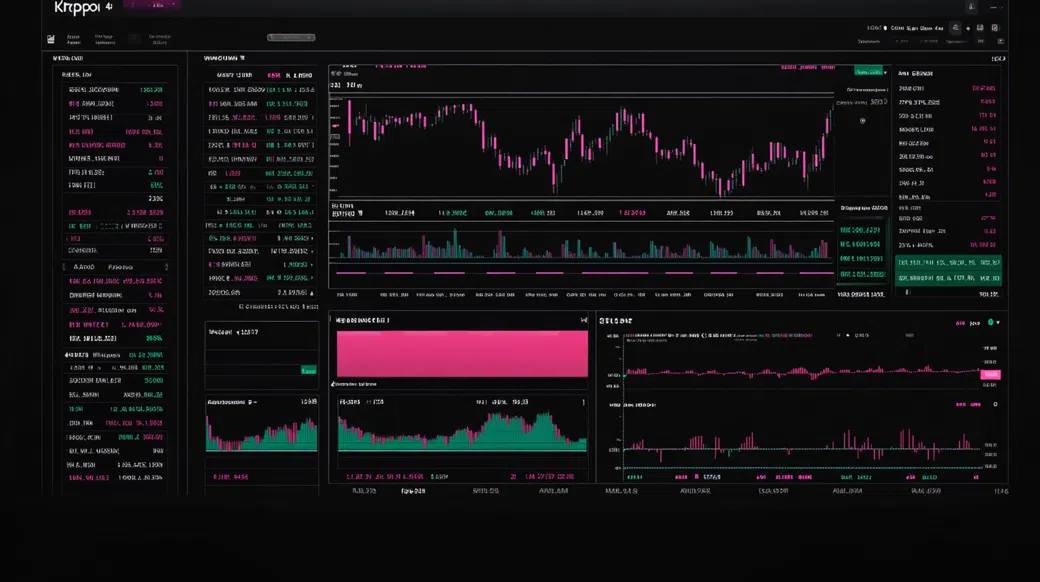
Built as a multi-asset CFD venue, Luna Rendisto suits traders who want higher leverage and a clean WebTrader stack—while accepting the thinner investor backstops that come with offshore registration—so think nimble execution first, paperwork protections second. In my test account, the lineup splits into a spread-only Standard tier and a tighter Raw/ECN-style option that makes more sense once you’re trading size. Market coverage is broad enough for macro: majors, US indices, gold, and BTC are all there. The platform leans on its own web and mobile terminals rather than an MT4/MT5 plug-in ecosystem. The upside is a consistent UI; the drawback is fewer third-party tools. I ran deposits, trades, and a Luna Rendisto withdrawal end-to-end.
Luna Rendisto looks operational rather than a “vanish-with-your-money” setup, but it’s not a Tier-1 regulated broker, so protections depend largely on the firm’s own controls. My funding, trading, and withdrawal cycle completed without unusual friction, yet the offshore structure still raises the bar for your own risk management.
I traced the account-opening disclosures and the legal footer to a Mauritius FSC registration model, which typically allows higher leverage but comes with softer guardrails than FCA/ASIC-style regimes. Practically, that means fewer formal compensation avenues, and disputes can be harder to escalate beyond the broker’s internal process. On red-flag checks, I looked for aggressive “account manager” pressure, trophy-badge marketing, and suspiciously guaranteed-return language; none of that dominated the interface during my test week. Safeguards were present in the places that matter day one: KYC was enforced before my first withdrawal, and the platform’s client-funds wording referenced segregated accounts (a positive signal, though not the same as statutory protection). Remember the product risk: CFDs are leveraged instruments, margin calls happen fast, and most retail traders lose money when position sizing is sloppy.
The broker generally accepts clients across Southeast Asia, parts of Africa, and LATAM, with access shaped by local rules and its offshore onboarding model. The USA and sanctioned jurisdictions are not supported.
| Region | Status | Leverage Cap |
|---|---|---|
| Southeast Asia (selected) | Accepted | Up to 1:500 |
| Sub-Saharan Africa (selected) | Accepted | Up to 1:500 |
| LATAM (selected) | Accepted | Up to 1:500 |
| Non-EU Europe (selected) | Accepted | Up to 1:200 |
| USA | Restricted | Not offered |
| Sanctioned jurisdictions | Restricted | Not offered |
Eligibility is checked via IP/location signals and, more importantly, through KYC details once documents are uploaded. Policies can shift as the provider updates its risk appetite, so confirm your country status before funding.
The product shelf is built for CFD trading across the usual macro touchpoints—enough to express a rates view in FX, a risk-on/risk-off view in indices, and a hedge in metals without opening multiple accounts.
All of this is CFD exposure: you’re trading price movement, not taking delivery, not holding on-chain crypto, and not receiving shareholder rights. Dividends (where applicable) are typically handled as cash adjustments rather than true ownership distributions.
Costs hinge on which account tier you pick: Standard pricing is spread-only, while the Raw/ECN-style setup compresses spreads and adds a per-lot commission. On EUR/USD, my quotes sat around 1.6 pips on Standard and near 0.2 pips plus $7 round-turn on Raw—broadly in line with offshore CFD peers once you account for commissions.
| Asset | Spread/Fee | Market Average Comparison |
|---|---|---|
| EUR/USD (Standard) | From 1.6 pips | About average for offshore spread-only accounts |
| EUR/USD (Raw/ECN) | From 0.2 pips + $7 round-turn | Competitive if you trade frequently or at larger size |
| Bitcoin (BTC/USD) | From $35 spread (variable) | Middle of the pack; widens during fast tape |
| Gold (XAU/USD) | From $0.25 | Reasonable versus typical CFD quotes |
| US500 Index | From 0.8 points | In line with many proprietary WebTraders |
Non-spread costs to watch: Overnight swap/financing is the silent P&L leak for multi-day holds, and I saw it bite harder on indices held through week’s end (weekend financing is usually baked in). The platform also lists a $10 monthly inactivity fee after 90 days without trading, which matters if you park the account between cycles. Withdrawal rails can be fee-light on the broker side, but your bank, card issuer, or crypto network fees still apply; FX conversion charges show up if you fund in one currency and margin in another.
From Singapore hours, I spent most time on the WebTrader during the Asia-to-London handover, and the terminal stayed stable across repeated session logins and tab switching. Order entry supports market and pending orders with stop-loss and take-profit controls, plus partial position management for trimming risk. Execution on EUR/USD at the London open was clean enough for short holds; when I pushed a small NAS100 market order into a quick volatility burst, slippage was present but not absurd, and there were no forced requotes. If you live inside MT4/MT5 plug-ins and custom indicators, note that this service prioritizes its proprietary interface rather than that ecosystem.
The Luna Rendisto app mirrors the web layout closely, which reduces the “where did that button go?” problem when you move from desk to phone. My Luna Rendisto login supported biometric unlock on Android, and I could check margin, adjust stops, and close trades with a single tap from the positions screen. Funding and withdrawals are accessible in-app, not buried behind a desktop-only portal. One quirk: on weaker connections, chart zoom occasionally lagged before snapping into place.
Charting covers the essentials—multi-timeframe views, a solid set of indicators (MA, RSI, MACD, Bollinger), and basic drawing tools for levels and trendlines. There’s an embedded economic calendar and a lightweight news feed, useful for timing around CPI/FOMC-type risk. Alerts and watchlists are practical, though the overall tool ceiling sits below MT5/cTrader environments for systematic traders who need advanced depth-of-market or automation hooks.
Before placing a trade, the onboarding flow asked for the usual identity basics (name, residence, tax country) and a short trading-experience questionnaire that felt aimed at AML and suitability checkboxes. For verification, I uploaded a passport photo page plus a bank statement dated within three months; approval landed later the same business day. Once the account was verified, the dashboard exposed leverage selection and account-tier choice without needing to chase a salesperson.
My first deposit was via USDT, credited after network confirmations and reflected instantly in available margin once posted. If you plan to fund by card, keep an eye on base currency and conversion—small percentage drags add up over multiple top-ups. For those comparing brokers, you can also sanity-check the portal and KYC flow directly at Luna Rendisto before committing meaningful size.
I tested support with a practical question: how swap rates are displayed and whether weekend financing is triple-charged on certain CFDs. Live chat came back in roughly three minutes with a clear pointer to the contract-spec section and a note on day-count conventions. I followed up by email asking about withdrawal cut-off times for crypto versus card rails; the ticket response arrived in about nine hours and matched what I later saw in the withdrawal workflow.
Coverage is set up for 24/5 operation, which is what you want for FX and index CFDs, though weekend responsiveness is thinner unless crypto desks are staffed. Language support felt serviceable in English; other languages appear region-dependent. I didn’t see a prominently marketed global phone desk, so treat chat/email as the primary channels—pretty normal for an offshore-first provider.
If you’re considering this broker, start by checking the live spreads during your active session and verifying your country eligibility before funding. A demo run can also help you gauge slippage, order controls, and whether the platform’s tools match your trading routine.
Visit Luna RendistoIt can be, provided you keep leverage modest and stick to liquid instruments like major FX pairs. The WebTrader layout is easy to navigate, and the demo account helps you practice without real-money pressure. Beginners should still treat CFDs as high-risk and learn margin mechanics before sizing up.
Yes, crypto is available as CFDs, with BTC and ETH as the main contracts. You’re trading price exposure rather than holding coins on-chain, so there’s no wallet transfer or staking. Spreads are variable and can widen sharply during volatility spikes.
No, my test cycle—deposit, trading, and withdrawal—did not show the classic scam patterns like blocked cash-outs or relentless pressure tactics. That said, it operates under an offshore registration model (Mauritius FSC), so oversight and complaint channels are not the same as a Tier-1 regulator. Manage risk accordingly and avoid overleveraging.
No, the platform restricts USA residents, and you shouldn’t expect an onboarding path via VPN or workarounds. KYC checks typically flag residency during verification. If you’re US-based, look for a CFTC/NFA-regulated alternative instead.
Most withdrawals are processed internally within 24–48 hours after KYC is complete. Receipt time depends on the rail: cards commonly take 2–5 business days, bank wires 3–7 business days, while crypto withdrawals can land the same day once broadcast. In my case, a USDT payout arrived within a few hours after approval.
The minimum deposit is $200. That level is enough to test execution and fees, but it’s still small relative to the margin swings possible at 1:500 leverage. Consider funding only what you can afford to risk in leveraged CFDs.
Yes, it offers iOS and Android apps alongside the WebTrader. The mobile terminal supports order placement, position management, and account funding/withdrawal from the same interface. Biometric sign-in is available on supported devices for faster access.
Overall Score: 4.0/5
For traders who care about clean execution on the big liquid contracts, Luna Rendisto delivers a credible WebTrader experience with sensible account-tier pricing and enough markets to run a macro book. The bright line is jurisdiction: offshore registration means you’re leaning more on internal policies than on a heavyweight regulator if something goes sideways. My withdrawals and KYC checks were handled properly, and spreads were acceptable for the segment, especially on the Raw/ECN-style tier. Treat leverage with respect—CFDs can magnify losses quickly—and size positions as if liquidity can thin out around news. Details and account options are easiest to verify directly at Luna Rendisto.
Best for: active CFD traders focused on FX/indices who want 1:500 leverage and a proprietary platform. Avoid if: you require Tier-1 regulation, formal compensation schemes, or MT4/MT5-dependent workflows.