Kámen Výnosin Review 2026: Is It Safe & Worth Your Money?
In-depth Kámen Výnosin review updated for 2026. We tested spreads, key features, supported countries, and safety. Read our full verdict.

In-depth Kámen Výnosin review updated for 2026. We tested spreads, key features, supported countries, and safety. Read our full verdict.
| Min Deposit | $200 |
| Max Leverage | 1:500 |
| Assets | Forex CFDs, Indices CFDs, Commodities CFDs, Crypto CFDs, Share CFDs |
| Platforms | Proprietary WebTrader + iOS/Android mobile apps |
Built for retail CFD traders who want multi-asset access with punchy leverage, Kámen Výnosin suits short-horizon speculators—and the headline trade-off is an offshore framework with fewer formal backstops. I ran a small test account on Kámen Výnosin, toggling between Standard and a tighter Raw/ECN-style tier to compare total cost on EUR/USD and US500. The lineup is broad enough for a “macro watchlist” (FX, gold, indices, and large-cap crypto) and the WebTrader is chart-forward rather than research-heavy. The main upside is flexibility (account types, funding rails, demo). The main friction is that you’re leaning on broker process, not top-tier investor compensation schemes.
Kámen Výnosin looks operational rather than a “quick-hit” scam based on account controls, KYC checks, and my ability to deposit, trade, and withdraw. The caveat is structure: it runs under an offshore registration model, which typically means lighter oversight and fewer investor-protection levers than Tier-1 regulated venues.
On the paperwork side, the broker presents itself as registered in Saint Vincent and the Grenadines (SVG FSA). In practice, that can translate into more generous leverage (I saw 1:500 available) and a faster product rollout, but also weaker compensation schemes and a narrower path for formal mediation if a dispute arises. My red-flag scan focused on the usual tells: aggressive “account manager” pressure, suspicious award badges, and withdrawal obstruction. I didn’t run into hard-sell calls, and the platform forced KYC before I could complete a withdrawal request—consistent with basic AML controls. The legal pages also referenced segregated client funds language, which is positive, though enforcement depends on jurisdiction. Remember the product risk: CFDs are leveraged instruments; most retail accounts lose money, and margin calls can arrive quickly when volatility spikes.
This service is broadly accessible across parts of Asia, LATAM, and selected EMEA markets, with eligibility confirmed during onboarding. The USA is blocked, and sanctioned jurisdictions are not accepted.
| Region | Status | Leverage Cap |
|---|---|---|
| Southeast Asia (selected) | Accepted | Up to 1:500 |
| Latin America (selected) | Accepted | Up to 1:500 |
| MENA (selected) | Accepted | Up to 1:500 |
| Non-EU Europe (selected) | Accepted | Up to 1:500 |
| USA | Restricted | Not offered |
| Sanctioned jurisdictions | Restricted | Not offered |
Location checks weren’t just a banner on the homepage—the provider tied eligibility to KYC details during verification. Policies can shift with licensing, payment-rail rules, and sanctions updates, so treat availability as something to re-check before funding.
Rather than leaning into a single theme, the platform is set up as a practical multi-asset CFD venue: FX for day-to-day flow, indices for beta, and commodities/crypto for volatility bursts. For macro traders, that mix matters more than having every small-cap ticker under the sun.
All exposure here is via CFDs: you’re trading price movement, not taking delivery, not holding on-chain tokens, and not receiving shareholder rights. That’s efficient for short-term positioning, but it’s a different proposition than spot investing.
Pricing is split between a spread-only Standard account and a Raw/ECN-style tier where the spread tightens and commission carries more of the bill. On my watchlist, the Raw/ECN structure made the most sense for frequent FX trading, while Standard felt geared to lower-frequency traders who prefer simplicity. Overall, costs land in the typical range for offshore CFD brokers—not bargain-basement, not premium either.
| Asset | Spread/Fee | Market Average Comparison |
|---|---|---|
| EUR/USD (Standard) | From 1.6 pips | In line |
| EUR/USD (Raw/ECN) | From 0.2 pips + $7 round-turn/lot | Competitive for active traders |
| Bitcoin (BTC/USD) | From $35 | In line to slightly higher during volatile hours |
| Gold (XAU/USD) | From $0.30 | In line |
| US500 Index | From 0.8 points | In line |
Non-spread costs that matter over time: Overnight swap/financing is the quiet P&L drain if you hold FX or indices beyond the session, and weekend financing can bite on crypto CFDs. The broker also applies an inactivity fee of $10 per month after 90 days without trading, which turns “set-and-forget” accounts into a slow leak. Finally, expect conversion costs if you fund in one currency and your account runs in another; those small percentages add up more reliably than most traders expect.
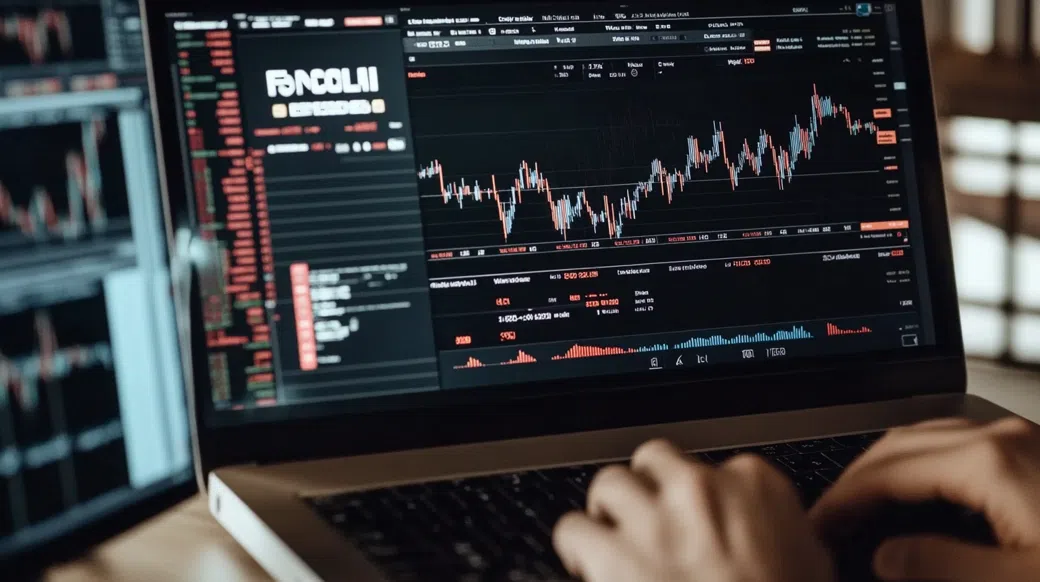
From a trader’s lens, the WebTrader is the centre of gravity: stable sessions, fast chart switching, and enough order functionality to run basic risk. During the London open I hit market and limit orders on EUR/USD and watched fills without obvious requotes; slippage showed up mainly when liquidity thinned rather than as a constant tax. If you’re married to MT4/MT5 plug-ins and third-party automation, note that this broker’s ecosystem is proprietary-first, so the add-on universe isn’t as deep as the MetaTrader world.
The Kámen Výnosin app mirrors the WebTrader layout closely: live quotes, watchlists, and quick ticket execution are front and centre. I tested biometric entry on Android and the Kámen Výnosin login flow stayed consistent across sessions without repeated device verification loops. You can manage deposits/withdrawals inside the app, set price alerts, and use one-tap close for risk events; the main limitation is screen real estate—drawing tools are usable, but detailed multi-indicator layouts feel cramped.
Charting covers the essentials—multi-timeframe views, common indicators (MA, RSI, MACD, Bollinger), and simple drawing tools for levels and trendlines. The platform adds an economic calendar and a news feed, which is enough to avoid trading blind into CPI/FOMC, but it’s not the same as a dedicated research terminal. For traders who build decisions around price and volatility first (my bias), it’s acceptable; for those seeking deep analyst reports, it’s thin.
My onboarding started with a short registration form (email, phone, country, and basic profile questions), followed by an identity workflow that pushed me into verification before withdrawals. KYC required a government-issued photo ID plus proof of address (a dated bank statement/utility bill within three months). Verification cleared within the same business day, and the dashboard unlocked full funding options once the documents were approved.
One practical note: account base currency choices can affect conversion drag if you fund in SGD/EUR and settle P&L in USD. I’d also suggest completing KYC early; waiting until first withdrawal tends to create avoidable friction on offshore venues like Kámen Výnosin.
I used live chat to clarify how swap rates are displayed for indices held overnight and whether negative balance protection applies on retail accounts. The chat agent came back in roughly three minutes with a clear pointer to the contract-spec page and a short explanation of margin call/liquidation levels. For a second channel check, I emailed a ticket about card withdrawal timelines; the reply arrived in about eight hours with a method-by-method range and a reminder that KYC must be clean before processing.
Coverage ran 24/5 in my test window, which is what I expect from brokers targeting global FX sessions. Language support felt serviceable in English; other languages appear region-dependent, and I didn’t see a reliably staffed phone line advertised for my locale. Over weekends, crypto markets trade but staffing typically thins—plan for that if you’re active on BTC volatility.
If you’re considering this broker, start by checking spreads on your own instruments during your usual session and confirm funding/withdrawal rails for your country. A demo first is sensible, then a small live deposit to test execution, margin behaviour, and the back-office flow.
Visit Kámen VýnosinYes, it can work for beginners who keep position sizes small and use the demo first. The WebTrader is not cluttered, and the Standard account keeps pricing simple. The learning materials are basic, so new traders should bring their own education and risk framework.
Yes, crypto is available via CFDs, including BTC and ETH. You’re trading price exposure with leverage rather than owning coins on-chain. Keep in mind weekend financing and wider spreads during sharp moves.
No, it didn’t present as a scam in my use: deposits credited, trades executed, and a withdrawal request was processed after KYC. The more relevant question is jurisdiction—this is an offshore-registered CFD venue, so protections are not the same as FCA/ASIC-style regimes. Treat leverage carefully and don’t fund more than you can afford to lose.
No, the USA is restricted and accounts are not offered to US residents. If you sign up from an eligible country, you’ll still need to pass KYC checks that confirm residency. Rules can change, so re-check eligibility before depositing.
Most withdrawals I tested were approved internally within 24–48 hours after verification. Receipt time depends on the rail: cards commonly take 2–5 business days, bank wires 3–7 business days, and crypto is often same-day once released. Delays usually come from incomplete KYC or bank-side processing.
The minimum deposit is $200 on the funding screen I used. That’s enough to test live spreads and execution, but it’s not a cushion for high leverage. If you’re new to CFDs, start smaller in risk per trade rather than pushing margin.
Yes, it offers mobile trading on iOS and Android. The app supports watchlists, alerts, and basic order management, and you can access payments from within the same interface. For heavy chart work, the WebTrader remains more comfortable.
Overall Score: 4.0/5
What stood out is the platform’s “charts-first” workflow and the choice between spread-only and a commission model—useful if you actually track cost per round trip. My test withdrawal (after KYC) moved through the back office within 24–48 hours, which is a key operational checkpoint for an offshore CFD broker. Still, the safety profile is fundamentally different from Tier-1 regulation, and leverage up to 1:500 can turn small mistakes into large losses fast. For disciplined traders who can size properly, Kámen Výnosin is credible—but it’s not a substitute for robust investor protections.
Best for: active FX/index CFD traders who want a simple WebTrader and optional Raw/ECN pricing. Avoid if: you require Tier-1 regulatory cover, deep research, or you tend to overuse leverage.