Keld Digitholm App Review 2026: Is It Safe & Worth Your Money?
In-depth Keld Digitholm App review updated for 2026. We tested spreads, key features, supported countries, and safety. Read our full verdict.

In-depth Keld Digitholm App review updated for 2026. We tested spreads, key features, supported countries, and safety. Read our full verdict.
| Min Deposit | $200 |
| Max Leverage | 1:500 |
| Assets | Forex CFDs, Index CFDs, Commodity CFDs, Crypto CFDs, Share CFDs |
| Platforms | Proprietary WebTrader, iOS app, Android app |
Built as a mobile-first CFD venue, Keld Digitholm App targets traders who want broad markets and high leverage in one interface, with the key compromise being an offshore oversight model rather than a top-tier regulator. In my test account, the two-tier setup (Standard vs Raw/ECN-style) makes costs predictable: you either pay via spread or via tight spreads plus commission. The product list leans macro—FX, gold, US indices—while still offering crypto and a small basket of share CFDs for tactical positioning. The proprietary WebTrader is clean and fast for chart-to-ticket workflows, but you won’t get the deep third‑party ecosystem you’d expect from MT4/MT5. I ran deposits, a handful of intraday tickets, and a withdrawal through Keld Digitholm App to see where the edges really are.
Keld Digitholm App looks operational and tradable rather than a “vanish-with-your-deposit” setup, but it sits in the offshore broker bucket where protections are typically lighter. I was able to complete KYC, place live CFD orders, and receive a withdrawal, which reduces the odds of it being a pure scam—still, oversight isn’t comparable to Tier‑1 regimes.
On the paperwork side, this provider presents itself under a Mauritius FSC-style framework, which usually supports higher leverage and a wider client footprint, but doesn’t come with the same compensation schemes or regulator-led dispute processes you’d see in the UK or Australia. The practical implication is simple: if something goes wrong, your leverage is a feature, your legal backstop is not. During my test window, I looked for the usual red flags—hard-sell “account manager” pressure, suspicious trophies, and withdrawal stalling. The tone stayed relatively transactional, and the withdrawal request moved to “processing” after identity checks instead of being bounced around. Safeguards were present in the flow: KYC was enforced (ID + proof of address), and the broker’s site language referenced segregated client funds, though verification of custody is inherently difficult from the outside. Remember: CFDs are leveraged products; margin calls happen fast, and most retail accounts lose money.
Keld Digitholm App generally accepts clients across parts of Southeast Asia, MENA, LATAM, and selected non-EU European markets, while blocking the USA and sanctioned jurisdictions. Availability is ultimately determined at signup and during verification.
| Region | Status | Leverage Cap |
|---|---|---|
| Southeast Asia (selected) | Accepted | Up to 1:500 |
| MENA (selected) | Accepted | Up to 1:500 |
| LATAM (selected) | Accepted | Up to 1:500 |
| Non‑EU Europe (selected) | Accepted | Up to 1:200 |
| USA | Restricted | Not offered |
| Sanctioned jurisdictions | Restricted | Not offered |
In practice, the platform relies on a mix of IP checks and KYC address validation; the eligibility decision tightened once I moved from registration to funding. Policies shift with compliance and banking partners, so it’s worth confirming your country before you wire or send crypto.
Macro traders will feel at home here: the lineup is built around liquid CFDs where spreads and execution matter more than long-term investing features. I treated it like a tactical book—FX for direction, indices for beta, gold for hedging.
All of this is CFD exposure—useful for hedging and tactical trades, but you don’t get shareholder rights, on-chain transfers, or “real” coin ownership. Dividend adjustments (where applicable) are accounting entries, not equity participation.
Costs are structured around two pricing tracks: Standard accounts bake fees into the spread, while the Raw/ECN-style option tightens the spread and charges a per-lot commission. On EUR/USD, I saw the Standard feed sitting around the mid‑1s in pips, while Raw/ECN traded close to flat plus commission—broadly in line with offshore CFD peers.
| Asset | Spread/Fee | Market Average Comparison |
|---|---|---|
| EUR/USD (Standard) | From 1.6 pips | Competitive for spread-only accounts |
| EUR/USD (Raw/ECN) | From 0.2 pips + $7 round-turn/lot | Typical for commission-based pricing |
| Bitcoin (BTC/USD) | From 0.35% | In the usual range for crypto CFDs |
| Gold (XAU/USD) | From 28 cents | Reasonable versus many CFD feeds |
| US500 Index | From 0.8 points | Close to the retail CFD average |
Non-spread costs that matter over time: Overnight swap/financing is the real P&L tax if you hold positions beyond the session—particularly on indices and leveraged crypto, where weekend financing can compound. The broker also applies an inactivity charge of $10 per month after 90 days without trading, which is easy to overlook if you only trade around major data. On withdrawals, I didn’t see an extra “broker handling fee” for my method, but card processors and banks can still clip you via intermediary charges or FX conversion if your funding currency differs from your account base. If you’re comparing Keld Digitholm App fees to another venue, model total cost per trade (spread + commission + financing), not just the headline spread.
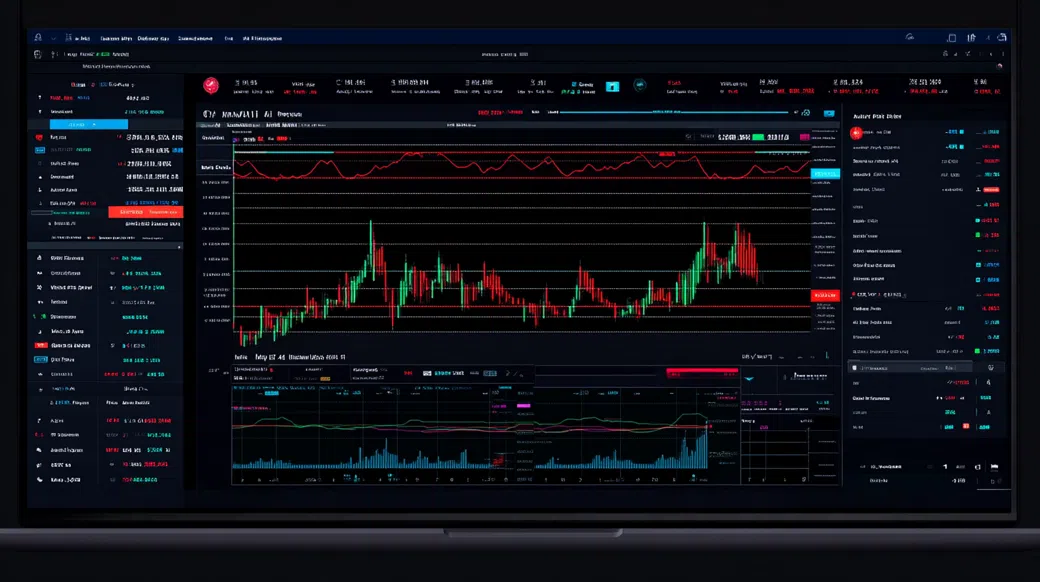
From the desktop side, the proprietary WebTrader is geared for execution with minimal clutter: watchlist on the left, chart center, ticket on demand. I stress-checked it around the London open on EUR/USD and noticed fills that matched my click-to-confirm intent without obvious “phantom” re-quotes; slippage showed up mainly when I used market orders into a fast candle, which is normal for CFD routing. You won’t find a plug-in marketplace or the familiar EA ecosystem here, and I wouldn’t assume MT4/MT5 access unless the broker confirms it directly.
The Keld Digitholm App app is designed for quick checks and fast edits—quotes refresh smoothly, and one-tap close is there when you need to flatten risk. The Keld Digitholm App login flow supports biometric unlock on my device, which matters when you’re adjusting stops during a commute. Deposits and withdrawal requests are accessible on mobile, not buried in desktop-only menus, and push notifications can be toggled for price alerts and order events. My main gripe: indicator layouts sometimes reset when flipping between timeframes too quickly, so I saved templates before placing trades.
Charting covers the basics well: multi-timeframe views, drawing tools, and the standard indicator shelf (MA, RSI, MACD, Bollinger). The economic calendar is built in, and a lightweight news feed helps you keep an eye on scheduled risk without leaving the platform. Still, if your workflow depends on advanced backtesting, custom indicators, or complex alert logic, dedicated MT5/cTrader setups remain a step ahead.
Before I could do anything meaningful, the broker pushed me through a clean registration funnel: email and basic profile first, then a compliance layer for AML. Verification required a government photo ID plus proof of address (I used a bank statement dated within three months), and the account moved to verified status later the same business day. That KYC gate also lined up with what I’d expect from an offshore CFD venue that still wants banking access.
One detail I liked: the service clearly labels margin requirements on the ticket, which helps prevent accidental oversizing when you crank leverage. Base currency options are workable, but if you fund in a different currency, bake conversion into your expectations rather than blaming “spread widening” for what’s really FX charges.
Instead of asking a generic question, I pinged live chat about where swap/overnight rates are displayed for indices and whether weekend financing applies to crypto CFDs. A human agent replied in roughly three minutes and pointed me to the instrument specs panel, plus clarified that triple-swap timing depends on the underlying market convention. I followed up by email requesting confirmation of the internal withdrawal processing window after KYC; the ticket response landed in about eight hours with a concise checklist and timing expectations.
Support coverage is broadly 24/5, which matches the FX week and most CFD venues in this segment. Language availability felt APAC-friendly in my interaction, though it can vary by shift, and phone lines aren’t consistently offered across regions. Weekends are quieter—if you’re trading crypto CFDs on Saturday, assume slower human escalation even if the platform itself stays accessible.
If you’re considering this broker, start by checking spreads on your usual instruments during your active session and verify your country’s eligibility before funding. A demo run is also a sensible way to gauge charting and order controls without taking immediate market risk.
Visit Keld Digitholm AppYes, it can work for beginners who keep position sizes small and use the demo first. The interface is not overloaded, and the Standard account keeps pricing simple via spread-only costs. The main caution is leverage: 1:500 is not beginner-friendly unless you deliberately underuse it.
Yes, crypto CFDs are available, including majors like BTC/USD and ETH/USD. You’re trading price exposure with leverage, not buying coins for a wallet. Financing can apply, and weekend holding costs are worth checking before you swing trade.
No, based on my hands-on run it behaved like a functioning CFD broker: KYC was enforced, trades executed, and a withdrawal was processed. The more nuanced point is regulation—this is an offshore setup, so you shouldn’t expect Tier‑1 style investor compensation or easy regulator escalation. Treat risk management as your first line of defense.
No, it’s restricted for USA residents. That restriction typically shows up at onboarding and is reinforced during KYC checks. If you’re US-based, you’ll need a CFTC/NFA-regulated alternative.
A Keld Digitholm App withdrawal usually clears internal processing within 24–48 hours after your account is verified. Receipt time depends on the rail: cards tend to take 2–5 business days, bank wires about 3–7, and crypto transfers are often completed the same day. Delays most often come from incomplete documents or banking intermediary checks.
The Keld Digitholm App minimum deposit is $200. That’s enough to test execution and fees, but it doesn’t mean you should use full leverage. If you plan to trade indices or gold with wider intraday swings, consider funding with a buffer to avoid forced liquidations.
Yes, there are iOS and Android apps alongside the WebTrader. The mobile build supports trading, basic charting, and account actions like deposits and withdrawals. For active traders, the practical benefit is quick stop/limit adjustments when volatility spikes.
Overall Score: 4.0/5
Execution and pricing are the two places I’m least forgiving, and this broker did reasonably well on both during my test—especially on the Raw/ECN-style feed where spreads were tight enough to justify the commission. The platform won’t replace a full MT5/cTrader workstation, but it’s efficient for macro-heavy CFD trading from Asia hours through the London session. The offshore wrapper is the real hinge: it enables 1:500 leverage and broad access, yet it also reduces regulatory recourse compared with Tier‑1 venues. If you do proceed, keep margin discipline front and center and treat CFDs as high-risk instruments where capital is at stake. For a balanced Keld Digitholm App broker review 2026, that’s the trade-off in plain terms.
Best for: active CFD traders who value flexible leverage, a clean WebTrader, and Raw/ECN-style pricing. Avoid if: you require Tier‑1 regulation, deep third‑party platform tooling, or you tend to hold highly leveraged positions overnight.