Is Wolf Kapitthal Legit in 2026? Safety Review
Is Wolf Kapitthal legit and safe in 2026? An evidence-based review of broker legitimacy signals, fund safety checks, risk disclosures, and what to verify before depositing.

Is Wolf Kapitthal legit and safe in 2026? An evidence-based review of broker legitimacy signals, fund safety checks, risk disclosures, and what to verify before depositing.
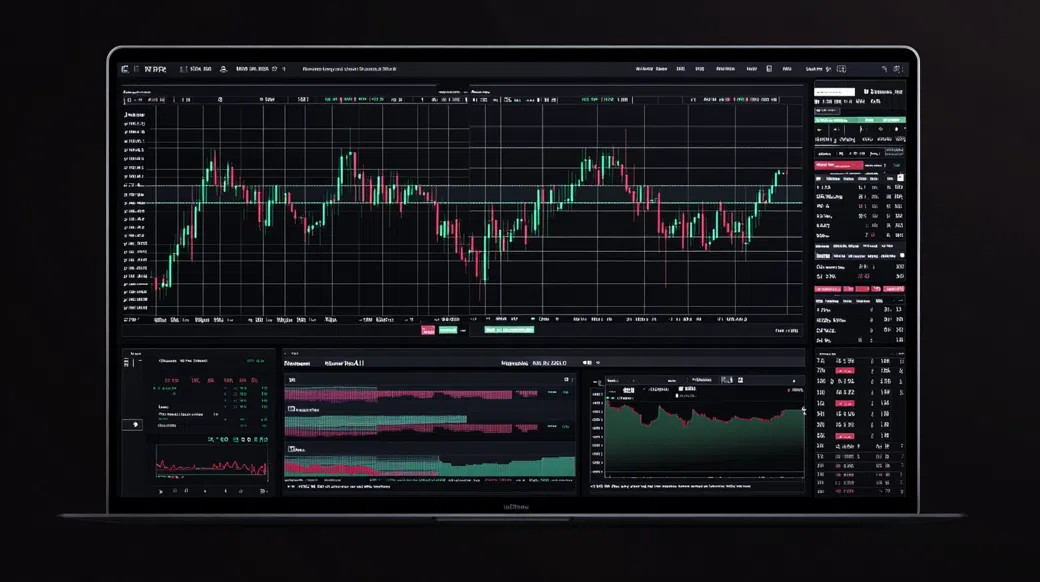
A clean-looking website doesn’t answer the only question that matters: can you identify who’s behind the brokerage and where disputes go if something breaks? Is Wolf Kapitthal legit? and is Wolf Kapitthal safe hinge on verifiable basics—legal entity, jurisdiction, and enforceable oversight—more than marketing. From publicly visible signals alone, the case looks mixed: there may be some operational structure, but confirmation-quality details should be checked before funding. Start by inspecting Wolf Kapitthal for entity and policy disclosures, then verify those details independently before depositing.
Wolf Kapitthal presents as a forex/CFD brokerage-style trading platform—meaning you’re typically trading leveraged derivatives rather than owning the underlying asset. In this category, regulation isn’t a badge; it’s the mechanism that governs client money handling, leverage rules, marketing conduct, and complaint escalation. The first check I’d do is simple: locate the exact legal entity name in the footer/terms, then run that entity through the relevant regulator’s public register (FCA, ASIC, CySEC, NFA, BaFin—depending on the jurisdiction claimed). If the site only shows a brand name without an accountable entity, “Wolf Kapitthal legit” becomes harder to support. If you see a license claim, match the entity name character-for-character on the register and confirm the website domain is listed there too.
| Entity Name | Look for a clearly stated operating company in the terms/website footer (not just the brand). If an entity is stated, verify it via an official corporate registry and any regulator register referenced. |
| Compliance Signals | Reputable brokers publish risk disclosures, KYC/AML language, and a complaints process. Confirm whether these documents are accessible without creating an account and whether jurisdiction is explicitly stated. |
| Security | At minimum, verify HTTPS/TLS on all pages and check if 2FA is offered in account settings. A privacy policy consistent with the stated operating region is another credibility signal. |
Direct Answer: For “is my money safe with Wolf Kapitthal?” the honest answer is: it depends on what you can verify about oversight, custody language, and withdrawal rules. Without confirmed regulator registration and clear client-funds protections, “is Wolf Kapitthal safe” should be treated as unproven until you validate the essentials.
From a broker risk lens, the big items are client funds protection and operational controls. A well-run FX/CFD broker typically states whether client money is held in segregated accounts (separate from company operating funds) and whether negative balance protection applies to retail clients. On the security side, you want clean SSL/TLS across the client portal and ideally 2FA (authenticator-app style is stronger than SMS). Verification steps that don’t require guesswork: (1) read the withdrawal policy for processing windows (often 24–72 hours internally, rail-dependent after), fees, and conditions; (2) check whether KYC/AML is enforced before withdrawals; (3) confirm the legal entity and jurisdiction in the terms; (4) search that entity on the relevant regulator register; (5) confirm the broker’s disclosed email/phone/support channels actually match the entity, not just the brand.
Product disclosure is where a broker either looks serious—or starts to wobble. For a Wolf Kapitthal trading platform in the FX/CFD category, legitimacy signals include a clearly posted fee model (spreads/commissions/swaps), leverage limits by instrument, and an execution description (market maker vs agency, slippage policy, and order handling). Risk disclosure matters just as much: CFDs are leveraged and losses can exceed expectations when markets gap. If those documents are easy to find and internally consistent with the entity/jurisdiction claimed, that’s constructive. If fees are vague, instruments are listed without contract specs, or “bonuses” dominate the pricing page, you should slow down and verify more before funding.
Most FX/CFD brokers typically offer majors/minors in FX first, then index CFDs, gold/oil, and sometimes equity CFDs or crypto-linked CFDs depending on jurisdiction rules. If Wolf Kapitthal publicly lists instruments, look for contract specs: tick size, margin, trading hours, and swap methodology—details that tend to correlate with real dealing infrastructure. When readers ask whether Wolf Kapitthal is Wolf Kapitthal a legit choice for short-term trading, I point them to transparency around spreads during volatile sessions and the stated execution model. If the platform mentions “guaranteed profit” outcomes or hides costs behind VIP tiers, that’s not a trading edge—it’s a risk signal.
Online reputation is useful, but it’s noisy. Aggregator sites and app store reviews can be skewed by incentivized feedback, competitor takedowns, and the simple fact that satisfied users often stay quiet. For the Wolf Kapitthal scam or legit question, triangulation beats scrolling: cross-check any claims with regulator warning lists (if a jurisdiction is stated), read community threads where withdrawal timing and slippage are discussed in detail, and see whether the broker has a visible complaint-handling channel with a defined escalation path. Some users will report fast onboarding; others may flag friction at withdrawal when KYC is requested. Treat both as data points, then anchor your conclusion on what can be verified in documents and registers.
Think of this as a pre-trade risk filter, not a comfort blanket. Whether is Wolf Kapitthal a legit broker comes down to identity, rules, and how money moves—items you can verify without trusting anyone’s opinion.
Before you move capital, use the website visit to confirm the basics: legal entity identity, jurisdiction, withdrawal rules, and the security options available at login. Compare the disclosed fees and risk statements against a peer broker you already trust, and don’t treat brand-level claims as proof. The goal is to verify, not to rush.
Visit Wolf KapitthalFrom a trader’s perspective, the evidence available publicly supports a cautious, verification-first stance rather than a blanket green light. On “is Wolf Kapitthal legit,” the deciding factor is whether the platform’s operating entity and any regulatory claims can be matched on an official register; without that, legitimacy remains unconfirmed. On “is Wolf Kapitthal safe,” the minimum bar is clear withdrawal terms, KYC/AML procedures, and visible account security (HTTPS plus 2FA), with client-funds protection language that isn’t ambiguous. If those items check out cleanly, the risk profile improves; if they’re missing or inconsistent, treat that as a reason to limit exposure. Review Wolf Kapitthal with a hard focus on entity/jurisdiction disclosure and register verification before depositing.
Risk Warning: Trading involves risk, and leveraged products like CFDs can lead to losses. This article is for informational purposes only and does not constitute financial advice.
It may be, but the conclusion should rest on verification rather than presentation. The fastest way to answer is to find the exact legal entity in the terms/footer and match any license claim to a public financial regulator register. If the site only provides brand-level wording, legitimacy is harder to establish.
Safety depends on the withdrawal rules, KYC enforcement, and whether client-funds protections are clearly described and consistent with the stated jurisdiction. Look for a published withdrawal policy that explains processing times, fees, and rejected-payment scenarios. How safe is Wolf Kapitthal also comes down to whether you can verify its oversight and complaint escalation path.
“Is Wolf Kapitthal a scam” can’t be answered responsibly from rumors alone. What you can do is check for hard red flags: anonymous operating entity, unverifiable regulator badges, and unrealistic return promises. If any of those appear, treat the risk as elevated and avoid funding until independently confirmed.
Your money is safest when the broker is properly supervised and its client-money handling is clearly documented. Confirm whether segregated accounts are stated, whether negative balance protection is mentioned for retail clients, and whether withdrawals are governed by a clear policy. If those items are missing or vague, treat fund safety as unproven.
Start with identity and oversight: find the legal entity name and jurisdiction in the terms, then verify any license claim on the relevant regulator register. Next, read the withdrawal policy for fees, timelines, and KYC requirements, and confirm the support channels and complaint process are clearly published. Finally, check the login/security options (HTTPS and 2FA) and compare the fee schedule (spreads, commissions, swaps) against a known peer before funding.