Is Polar Capridge Legit in 2026? Safety Review
Is Polar Capridge legit and safe in 2026? An evidence-based look at legitimacy signals, fund protection checks, security, and what to verify before depositing.

Is Polar Capridge legit and safe in 2026? An evidence-based look at legitimacy signals, fund protection checks, security, and what to verify before depositing.
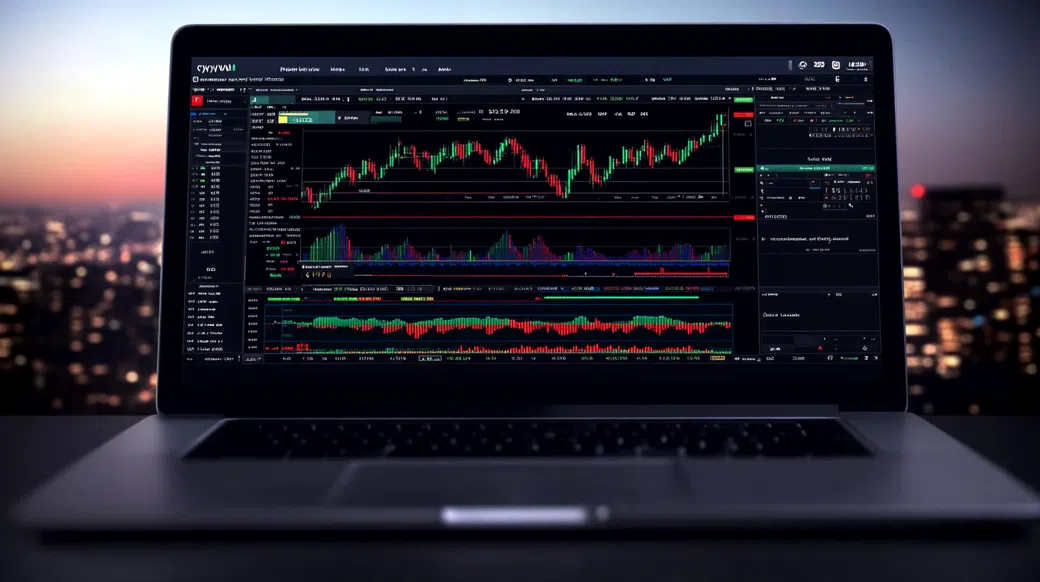
Capital protection is the only “edge” that never goes out of style—so it’s fair to ask Is Polar Capridge legit? and whether is Polar Capridge safe for real deposits in 2026. Based on publicly visible signals (and the gaps that still matter), the picture is mixed: it doesn’t read like an instant write-off, but it also doesn’t clear the bar of a fully transparent, easy-to-verify brokerage. Before funding anything, validate the legal entity, jurisdiction, and withdrawal rules directly on Polar Capridge and in independent registers where applicable.
Polar Capridge presents as an online trading platform in the retail broker mould—typically meaning leveraged products such as FX and CFDs, where the weakest link is rarely the chart and often the legal structure behind the account. Regulation, in this category, isn’t a badge for aesthetics; it’s what forces baseline behaviours like client-money rules, leverage limits (in some jurisdictions), dispute channels, and routine compliance. If you’re trying to answer whether Polar Capridge legit claims stand up, start by locating the operating entity name in the terms/website footer, then confirm whether that entity is supervised by a financial regulator via the regulator’s public register. A legitimate setup usually makes it straightforward to identify jurisdiction, applicable law, and where complaints are escalated. If any of those are vague, you’re trading on trust rather than verifiable guardrails.
| Entity Name | The brand name may be visible publicly, but users should confirm the specific operating company name in the Terms/Client Agreement and ensure it matches any account-opening documentation. |
| Compliance Signals | Check whether KYC/AML requirements are clearly described (especially around withdrawals), and whether any licensing or registration claim can be verified on an official regulator register for the stated jurisdiction. |
| Security | Verify that the site uses HTTPS/TLS on all pages, and look for account-security controls such as 2FA plus clear privacy/data-protection disclosures aligned with the stated operating region. |
Direct Answer: For anyone asking, “is my money safe with Polar Capridge?” the only responsible answer is conditional: it depends on whether you can verify the operating entity, the custody/client-money setup, and the withdrawal process in writing. Without those confirmations, is Polar Capridge safe remains an open risk question rather than a settled fact.
Start with the money path, not the marketing. A broker-grade platform should spell out how client funds are held (segregated accounts language is a common expectation), which payment rails are supported, and what internal processing times apply before the bank/card rails add their own delays. Next, check the security basics: TLS on login and account pages, 2FA options (authenticator-app 2FA is stronger than SMS), and clear instructions for changing passwords and locking withdrawals. Then do three practical checks: (1) download and read the Client Agreement and Risk Disclosure before registering, (2) confirm the legal entity and jurisdiction are consistent across footer, terms, and onboarding screens, (3) review fees and withdrawal conditions for “friction” clauses (minimums, extra verification steps, third-party charges), and (4) if a license is claimed, verify it on the regulator’s official register—don’t rely on a logo.
Product disclosure is where serious shops separate themselves from glossy fronts. In retail FX/CFD land, legitimacy signals show up as plain-language documentation: the execution model described coherently, a fee/spread/commission schedule you can read without a sales call, and risk disclosure that doesn’t downplay leverage. For a Polar Capridge trading platform assessment, the question isn’t whether the product menu looks broad; it’s whether each product’s costs, trading hours, and key risks are disclosed in a way you can audit. If the platform is vague on pricing, margin methodology, or order execution, you’re effectively trading with unknown microstructure—bad even when markets are calm, worse when volatility spikes.
For brokers in this lane, the typical range includes major/minor FX pairs, index CFDs, commodities (think energy and metals), and sometimes single-name equity CFDs—each with its own financing costs and liquidity profile. Some providers also offer crypto-linked CFDs, which adds weekend pricing risk and wider spreads during thin liquidity. Whether is Polar Capridge a legit choice for your style depends on whether these instruments (if offered) are publicly listed with contract specs: margin rates, swap/financing, minimum trade sizes, and trading sessions. If the only “specification” is a headline leverage figure, that’s not a product sheet—it’s a sales hook. Cross-check that product information against the legal terms so the commercial pitch matches the contractual reality.
Online feedback can help, but treat it like a noisy indicator—useful only after filtering. Aggregator sites and app stores often mix genuine experience with incentive-driven posts, and extreme outcomes tend to dominate (either very happy or very angry). When weighing Polar Capridge scam or legit chatter, triangulate: look for consistency across multiple venues, scan for patterns around withdrawals and account verification, and compare that with any formal complaint pathway the firm publishes. Community forums can add colour—especially around slippage, spreads widening, or account restrictions—but they’re still anecdotal. The highest-quality signal remains documentary: clear terms, a verifiable operating entity, and a dispute process that isn’t just a generic email address.
Think of this as a pre-trade checklist—like margining a portfolio before a CPI print. If you’re trying to decide whether is Polar Capridge a legit broker, the aim is to convert uncertainty into yes/no items you can verify from documents and independent sources.
Use the official site as a document source, not as a sales funnel. Open the legal pages first, then reconcile the entity name, jurisdiction, and withdrawal conditions with what’s shown during signup. If anything conflicts—or is missing—pause and compare with regulated peers before you decide to fund an account.
Visit Polar CapridgeFrom a trader’s risk lens, the clean conclusion is this: evidence is not yet strong enough to state, confidently, that is Polar Capridge legit in the way top-tier regulated brokers are easy to verify. That doesn’t automatically make it fraudulent, but it does keep the burden of proof on the user. On the safety question—is Polar Capridge safe—the answer hinges on document-level clarity: the operating entity, jurisdiction, and withdrawal/KYC rules should be explicit and consistent. If you can independently match those details and the security stack checks out, the risk profile improves; if you can’t, treat Polar Capridge as capital-at-risk infrastructure rather than a trusted venue. Before depositing, verify the legal entity and any license claim on an official register and read the withdrawal terms line-by-line.
Risk Warning: Trading involves risk, including the possible loss of principal, especially with leveraged products. This article is for informational purposes only and does not constitute financial advice.
It’s not possible to confirm legitimacy from branding alone; the deciding evidence is the operating entity, jurisdiction, and any verifiable regulatory status. If those details are clearly published and independently confirmable, the case that is Polar Capridge legit becomes stronger. If they’re vague or inconsistent, assume elevated risk until proven otherwise.
Safety for deposits and withdrawals depends on written rules and operational controls, not promises. Check whether withdrawal processing steps, fees, and KYC requirements are clearly documented before you fund the account. For how safe is Polar Capridge in practice, look for consistent reports across multiple sources—but prioritize what the legal documents actually allow the firm to do.
No public signal in this review lets me definitively label it either way, so “is Polar Capridge a scam” should be treated as an evidence question, not a vibe check. If you cannot verify the legal entity and any licensing claims, that’s a concrete red flag. Conversely, transparent documentation and independent verification reduce (but do not eliminate) risk.
Your money is only as safe as the platform’s custody rules, withdrawal terms, and enforceable oversight. If client-funds handling, KYC at withdrawal, and dispute channels are clearly stated—and you can verify the operating entity—risk is lower. If those items are unclear, keep position sizing conservative or avoid depositing until you get clarity.
Confirm the operating legal entity and jurisdiction in the Terms/Client Agreement, then verify any license claim on the relevant regulator’s public register. Read the withdrawal section for fees, processing times, and KYC triggers, and confirm supported rails match what you can actually use. Finally, check for HTTPS/TLS and 2FA at login, and screenshot key policy pages so you have a record of what was published at the time you funded.
One more operational note: if you see pressure to “upgrade” deposits, time-limited bonuses, or unusually high leverage framed as low-risk, treat that as a risk signal and slow down. In markets, the fast trade is often the expensive one—same logic applies to broker selection.