Is Pioneer Kapitium Legit in 2026? Safety Review
Is Pioneer Kapitium legit and safe in 2026? An evidence-based review of legitimacy signals, fund-safety checks, and what to verify before depositing.

Is Pioneer Kapitium legit and safe in 2026? An evidence-based review of legitimacy signals, fund-safety checks, and what to verify before depositing.
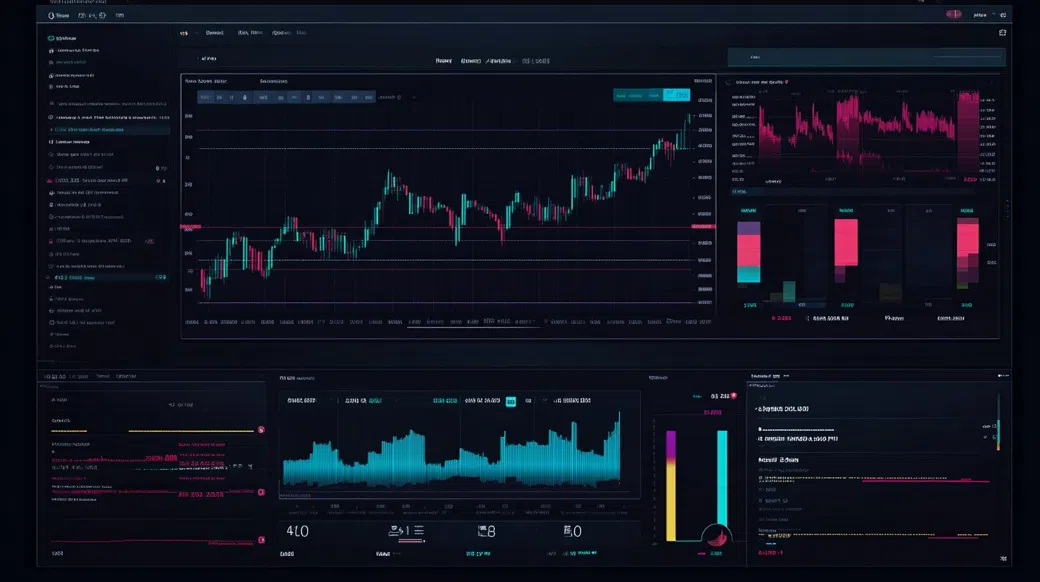
Capital protection is the real question traders are trying to answer before they click “deposit,” so let’s address it plainly: Is Pioneer Kapitium legit? and is Pioneer Kapitium safe enough for real money in 2026. Based on publicly visible signals, I’d treat it as a “verify-first” CFD/forex-style brokerage brand rather than a proven, top-tier regulated venue. The risk isn’t automatically fraud; it’s uncertainty around oversight and client-money handling until you confirm the paperwork. Start by checking the legal entity and disclosures on Pioneer Kapitium before funding anything.
Pioneer Kapitium presents like a margin trading brokerage—typically the bucket that offers leveraged access to FX and CFDs rather than direct exchange-traded ownership. In this category, regulation isn’t a “nice-to-have”; it’s the line that usually determines whether client funds must be segregated, how leverage is capped, and how complaints escalate beyond customer support. Before worrying about spreads or platform features, start with identity: the legal entity name, the jurisdiction it claims, and whether that entity appears on the relevant financial regulator’s public register. If you’re trying to decide whether Pioneer Kapitium legit is more than a branding claim, the cleanest test is consistency—footer entity matches Terms, Terms match onboarding/KYC screens, and any license claim matches a register entry you can independently locate.
| Entity Name | Verify the exact legal entity stated in the footer/Terms of Service (not just the brand name) and ensure it’s consistent across all policy pages. |
| Compliance Signals | Look for publicly accessible KYC/AML language, a risk disclosure appropriate for leveraged products, and a formal complaints process with timelines. |
| Security | Confirm HTTPS/TLS on login and account pages, and check whether 2FA (preferably authenticator/TOTP) is offered for account access and withdrawals. |
Direct Answer: On the question “is my money safe with Pioneer Kapitium?” the honest answer is conditional: it can’t be treated as fully confirmed until you verify who holds the license (if any) and what the withdrawal and client-funds protections actually say in writing. In other words, is Pioneer Kapitium safe is less about the logo and more about the documents.
From a broker-style platform, the non-negotiables are written client-money handling rules (ideally segregation language), a clear withdrawal process, and security controls that reduce account-takeover risk. Start with the plumbing: confirm the funding methods, named charges, and whether withdrawals go back to the original funding source (a common AML control at reputable firms). Next, inspect the security stack—TLS in the browser, optional/mandatory 2FA, and session controls such as device management. Finally, run three quick checks before you deposit: (1) find the legal entity in the Terms and search that name on the appropriate regulator register, (2) read the withdrawal section for processing windows (24–72 hours internal is typical, rails add time), and (3) look for negative balance protection language if retail leverage is offered. If any of these are missing or vague, size your deposit accordingly—or walk away.
Product disclosure is where a brokerage either behaves like a grown-up venue or like a marketing funnel. For a leveraged broker, credibility tends to show up as boring detail: instrument lists you can view without logging in, a fee schedule that separates spreads from commissions, and an execution policy that explains whether you’re trading against the firm (market maker) or routed externally. A Pioneer Kapitium trading platform should also put risk disclosure front-and-centre—CFDs are high-velocity instruments, and the operator’s job is to make the risks legible, not just the upside. If the costs, leverage, or margin rules only appear after signup, that’s not automatically a scam—but it is a transparency discount.
Most broker-style platforms in this lane typically offer major/minor FX pairs first, then index CFDs, metals, energy, and sometimes single-stock CFDs depending on jurisdiction. Some brands also list crypto-linked CFDs, which adds counterparty and volatility risk on top of leverage—worth understanding before you trade size. Whether is Pioneer Kapitium a legit choice for you comes down to whether the public product list matches the contract specs: lot size, swap/financing, margin rates, and trading hours. If those contract details aren’t plainly published, you’re effectively trading in the dark—fine for demo curiosity, not great for funded execution.
Online feedback is useful, but only after you weight it correctly. Review aggregators and app-store comments are noisy: incentives exist on both sides (promoters inflate praise; angry users post after losses), and fake reviews are cheap to manufacture. The better approach is triangulation—compare what’s said on public forums relevant to CFDs/FX, look for patterns in withdrawal or slippage complaints (not isolated stories), and check whether any regulator has published warnings or disciplinary notes tied to the same legal entity name. When people frame the Pioneer Kapitium scam or legit debate, the most informative data points tend to be operational: how disputes are handled, whether terms change without notice, and whether support responses reference written policy or just generic scripts.
Rather than relying on vibe, I prefer a trader’s checklist: identity, rules, and cash-movement. This is where the “is Pioneer Kapitium a legit broker” question gets answered in practical terms—what you can verify on paper, not what you’re told in chat.
Use the site visit as a verification exercise, not a commitment. Check the footer entity, open the Terms/Risk Disclosure without creating an account, and read the withdrawal section line-by-line for fees and timing. I also like to confirm whether 2FA is available before I even consider funding. If anything important is gated behind signup, pause and compare with a regulated peer.
Visit Pioneer KapitiumFrom Singapore, where MAS-driven standards set a high bar, my baseline is simple: if licensing and client-money protections aren’t easy to verify, risk goes up. On that basis, the clean conclusion is “insufficient public evidence to fully confirm”—meaning is Pioneer Kapitium legit remains a conditional yes only after you match the legal entity to a regulator register and read the withdrawal terms end-to-end. As for is Pioneer Kapitium safe, safety here is document-driven: segregation language, KYC/AML enforcement, and security controls such as 2FA matter more than marketing. If you still plan to proceed, treat Pioneer Kapitium as a platform to validate first with a small test amount, then scale only when the entity, policies, and cash-out mechanics check out.
Risk Warning: Trading involves risk, and leveraged products like CFDs can lead to losses that exceed expectations. This article is informational only and not financial advice.
It may be, but legitimacy depends on verification rather than presentation. Confirm the legal entity behind the brand and cross-check any license claim on a financial regulator’s public register. If those details are missing or inconsistent, treat the risk as elevated.
Safety is mixed until the withdrawal rules and entity oversight are clear in writing. Look for named fees, processing windows, and AML source-of-funds logic (for example, withdrawals returning to the original funding method). If you’re asking how safe is Pioneer Kapitium, put the withdrawal section and complaint channel ahead of any trading feature list.
Not necessarily, and “scam” is a high bar to assert without hard evidence. The more useful question is whether you can independently verify who operates it, under what jurisdiction, and with what enforceable client protections. If those checks fail, behave as if risk is high—even if the platform looks polished.
Your money is only as safe as the platform’s custody/segregation rules, enforcement, and your account security setup. Look for written client-funds language, strong login protection (2FA), and a transparent withdrawal process you can follow without ambiguity. If any of those are unclear, limit exposure and avoid keeping large idle balances.
First, identify the legal entity in the Terms and verify it on the appropriate regulator register. Second, read deposit/withdrawal methods, fees, and processing times, then confirm the “return to source” policy for AML. Third, confirm 2FA availability and review the privacy/data-protection statement. Finally, scan the risk disclosure and margin/leverage rules so you understand how losses and liquidation are handled.