Is Lumiar Bitrow Legit in 2026? Safety Review
Is Lumiar Bitrow legit and safe in 2026? An evidence-based look at transparency, security, withdrawals, KYC, and what to verify before funding.

Is Lumiar Bitrow legit and safe in 2026? An evidence-based look at transparency, security, withdrawals, KYC, and what to verify before funding.
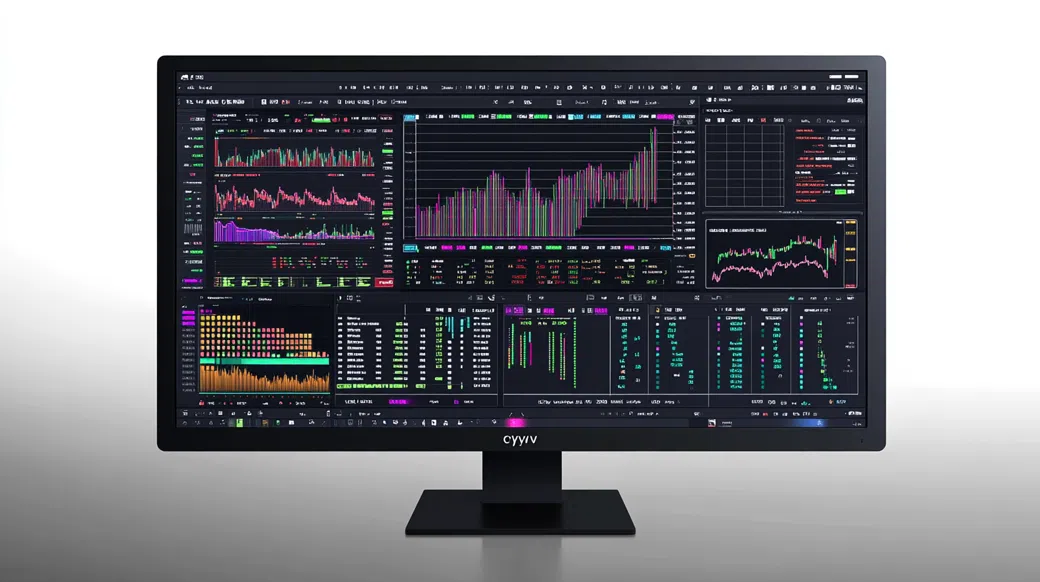
Traders don’t lose sleep over charts—unclear counterparties do. The question behind the search bar is simple: Is Lumiar Bitrow legit? and, more importantly, is Lumiar Bitrow safe for real deposits in 2026. From a public-info scan, the safety picture looks inconclusive rather than clean: there are basic legitimacy signals you can check, but you should treat anything unverified as risk until proven otherwise. Before funding, verify the operating entity, the withdrawal rules, and the account-security controls directly on Lumiar Bitrow.
On the signals that matter, Lumiar Bitrow presents as a crypto trading platform (exchange-style venue rather than a traditional stockbroker). For this category, “regulation” isn’t a badge you accept on faith—it’s something you confirm on a public register that matches the platform’s stated operating entity and jurisdiction. Start with the footer and Terms: the legal name should be spelled out, along with the country of incorporation and the entity that contracts with customers. Next, check whether that entity appears on the relevant financial regulator or virtual-asset register for the claimed jurisdiction (and whether the website domain aligns with the registered firm’s details). If those pieces line up, the discussion around Lumiar Bitrow legit becomes more grounded; if they don’t, you’re essentially trading with an opaque counterparty.
| Entity Name | The brand name is visible, but users should confirm the contracting legal entity in the Terms/Privacy pages and ensure it matches the payment beneficiary at deposit time. |
| Compliance Signals | Expect a clear KYC/AML outline (ID and proof-of-address at minimum) plus a documented complaint-handling route; verify these are publicly accessible before creating an account. |
| Security | Confirm HTTPS/TLS on all pages and check whether 2FA (preferably authenticator-app/TOTP) is offered and enforced for withdrawals; treat missing controls as a material risk. |
Direct Answer: For “is my money safe with Lumiar Bitrow?” the honest answer is: it depends on what you can verify about custody, withdrawals, and identity controls. Without a clearly verifiable operating entity and transparent withdrawal terms, safety is hard to score confidently. In other words, is Lumiar Bitrow safe is a verification exercise, not a marketing question.
Custody is the centre of gravity for any crypto venue: reputable exchanges explain whether customer assets are held in segregated on-platform wallets, how hot vs. cold storage is managed, and whether any proof-of-reserves or third-party attestations exist. Security should be visible and testable without depositing—TLS in the browser, 2FA options, withdrawal address whitelisting, and session/device controls. Then comes the “real world” test: the withdrawal process. Read limits, fees, processing windows, and any KYC triggers (KYC at withdrawal is normal; surprise policy changes are not). Practical checks: (1) locate the legal entity in the Terms, (2) match it to any claimed registration, (3) confirm 2FA and withdrawal protections are available, (4) review fee/limit pages, and (5) do a small, reversible transfer first if you proceed.
Product disclosure is where legitimacy often shows up—or breaks down. A credible exchange-style venue is explicit about what you’re trading (spot vs. derivatives), how fees are charged (maker/taker, spreads, funding where applicable), and what the execution model looks like when markets gap. Risk disclosure should read like a compliance document, not a sales page: volatility, liquidation mechanics, and counterparty risk spelled out in plain language. For any Lumiar Bitrow trading platform assessment, the key is consistency across documents—fees in one place should match the app, and withdrawal rules shouldn’t be buried behind support tickets. If the pricing page and Terms are easy to find and internally consistent, that’s a constructive signal.
Most crypto venues typically offer spot pairs (major coins plus a long tail), with some also listing perpetuals or other derivatives for experienced users. If derivatives exist, you want to see transparent leverage limits, margin methodology, liquidation rules, and clear funding-rate mechanics—because “hidden math” is where traders get hurt. Some platforms also add simple earn/lending features; those should come with explicit counterparty and rehypothecation language. Whether is Lumiar Bitrow a legit choice for your style comes down to what’s publicly listed versus what’s implied: if instruments and fees are only revealed after deposit, that’s a poor setup for risk management.
Reputation is signal, not proof. Review aggregators and app-store comments can be helpful for spotting patterns—withdrawal friction, account freezes, or support responsiveness—but they also attract incentivized posts and coordinated negativity. The higher-quality approach is triangulation: compare public feedback with whatever complaint-handling process the platform discloses, scan community discussions where power users talk in specifics (screenshots of fee schedules, timestamps on withdrawals, policy citations), and check whether any regulator warnings exist for similarly named entities. When people ask Lumiar Bitrow scam or legit, this is the section where you slow down and separate emotions from documentation. If allegations are vague and unsupported, discount them; if multiple users cite the same policy clause or the same bottleneck, pay attention.
Think of this as a pre-trade checklist—the same way you’d confirm contract specs before putting on a position. The goal is not reassurance by words; it’s confirming operational facts that make it harder for a venue to behave badly. If you’re asking is Lumiar Bitrow a legit broker (or, more accurately, a legit platform), these are the friction points that separate serious operators from the rest.
Use the site visit as a verification sprint, not a funding decision. Check whether the legal entity is stated consistently across the Terms, Privacy policy, and deposit pages, then compare the withdrawal conditions with peers. Confirm that 2FA is available and that withdrawal protections (like address whitelisting) are clearly documented. Only after those boxes are ticked should you consider a small trial transfer.
Visit Lumiar BitrowFrom Singapore’s seat, the cleanest tell in any venue is whether the paperwork and the operational plumbing agree. Right now, the most responsible stance is: insufficient public evidence to confirm—meaning is Lumiar Bitrow legit remains an open question until you can verify the legal entity, jurisdiction, and any claimed registration on an official register. On safety, is Lumiar Bitrow safe hinges on visible controls (2FA, withdrawal protection) and transparent custody language; those should be checkable before meaningful deposits. If you proceed with Lumiar Bitrow, keep sizing small until withdrawals, support responsiveness, and policy consistency are proven in practice. Before depositing, confirm the contracting entity in the Terms and match it to a verifiable register entry and clearly published withdrawal rules.
Risk Warning: Trading involves risk, and you can lose money—sometimes quickly in volatile markets. This article is for informational purposes only and does not constitute financial advice.
It’s not something you should assume either way from branding alone. The deciding evidence is whether the platform names a contracting legal entity and whether any claimed registration can be confirmed on a public register. If those items are unclear, treat legitimacy as unproven rather than “good enough.”
Safety for deposits and withdrawals depends on transparent rules and enforceable controls, not promises. Look for published fees/limits, documented processing times, and security features like 2FA and withdrawal address protection. If withdrawal terms are vague or changeable at the platform’s discretion, risk goes up.
There isn’t enough here to label it definitively, and “scam” is a high bar. What you can do is look for scam-like patterns: anonymous operators, unverifiable licenses, and withdrawal friction paired with pressure to deposit more. If those show up, step back and don’t fund further.
No reviewer can promise that, and you shouldn’t accept anyone who does. The practical answer is: it’s safer only to the extent that custody, security, and withdrawals are clearly documented and consistently enforced. Asked another way—how safe is Lumiar Bitrow—your best input is verifying 2FA/withdrawal controls and the legal entity behind the platform.
Start with the legal basics: find the contracting entity in the Terms and confirm the jurisdiction. Next, verify any claimed registration on the appropriate public register, then review withdrawal fees/limits and whether policy allows unilateral delays. Finally, enable 2FA, check for withdrawal address protection, and consider a small test deposit/withdrawal before scaling up—especially if you’re still deciding whether is Lumiar Bitrow safe for your risk tolerance.