Helder Kapitwoud Trading Platform Alternatives 2026
Compare Helder Kapitwoud alternatives for 2026: regulated brokers, costs, platforms (MT4/MT5/cTrader), asset access, and safety checks for US/EU traders.

Compare Helder Kapitwoud alternatives for 2026: regulated brokers, costs, platforms (MT4/MT5/cTrader), asset access, and safety checks for US/EU traders.
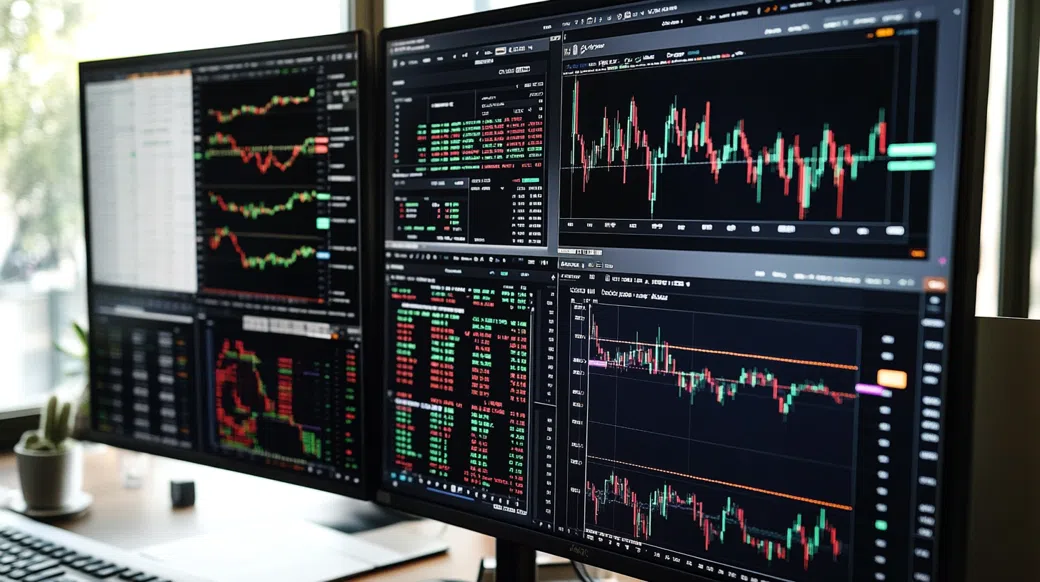
Price action doesn’t care about branding—fills, funding, and rules do. If you’re using Helder Kapitwoud as a forex/CFD venue, the practical questions are familiar: how clean is execution during a data spike, how predictable are withdrawals, and what happens if a dispute lands on a regulator’s desk. Based on what’s commonly observable across offshore-style CFD providers, Helder Kapitwoud appears to sit in that high-leverage, CFD-first bracket—typically offering a proprietary WebTrader plus mobile apps, a relatively low entry deposit (around $250), and headline leverage that can run up to 1:500. That mix attracts short-term traders, but it also concentrates risk in areas that don’t show up on a marketing page: counterparty strength, investor protections, and how client funds are handled.
For US and EU readers, those protections matter because your broker choice affects everything from negative balance outcomes to whether an investor compensation scheme applies. This is why Helder Kapitwoud alternatives are not just “similar apps”—they’re replacements with verifiable regulation, clearer execution models (market maker vs STP/ECN/DMA), and a broader menu of instruments if your strategy has grown beyond spot FX and index CFDs. In this guide, I’ll map the trade-offs with a trader’s lens: cost per round-turn, slippage under stress, platform tooling, and where multi-asset access actually means owning the underlying versus trading a derivative.
Disclaimer: This article is for informational purposes only and does not constitute investment advice. CFDs and other leveraged products carry a high risk of loss and may not be suitable for all investors.
Viewed through a market-structure lens, Helder Kapitwoud looks like a CFD-focused brokerage setup aimed at retail traders who prioritise quick onboarding and broad CFD exposure over deep multi-asset access. The typical product shelf in this category centres on forex pairs (roughly 30–50), major indices, a small set of commodities, and crypto CFDs—useful for directional trading, but structurally different from owning the underlying instrument. For traders comparing brokers similar to Helder Kapitwoud, the core question is whether the venue behaves like a dealing-desk market maker or an STP-style router, because that decision influences slippage patterns, requotes, and how stops behave in fast markets.
Most of the user experience appears to run through a proprietary WebTrader, with iOS/Android apps designed to mirror the essentials. Charting is usually serviceable—enough timeframes to run a basic trend/momentum workflow, a standard indicator list, and drawing tools for levels and channels. Order entry typically covers market and pending orders, plus stop-loss/take-profit controls from the ticket or directly on-chart. Where these platforms often lag “pro stacks” is depth: fewer conditional order types, limited custom indicators, and less transparency on execution quality (fill timestamps, partial fills, and slippage reporting). Mobile parity tends to be decent for monitoring and closing risk, but serious analysis still happens best on desktop.
Cost-wise, the common pattern for this segment is a spread-led model on a Standard-style account, with EUR/USD often quoted around ~2.0 pips in typical conditions. Some brokers in this bracket also advertise a Raw/ECN-style tier where spreads can compress toward 0.0–0.4 pips, then add a commission in the neighbourhood of $5–$8 per round-turn—but the real decision point is the all-in cost once slippage and swaps are included. Overnight financing (swap) can be meaningful for swing positions, and non-trading fees (inactivity or withdrawal charges) sometimes become the silent drag on smaller accounts. The minimum deposit is commonly around $250, and maximum leverage is frequently marketed up to 1:500, which can magnify both P&L and the speed of margin calls.
The first crack usually appears during volatility: a CPI print, an FOMC presser, or a sharp risk-off session where spreads widen and stops get tagged. At that point, traders start benchmarking execution and protections, not just chart tools. That’s the practical driver behind Helder Kapitwoud alternatives—finding a venue where regulation is verifiable, client money safeguards are clearer, and the platform stack matches how you actually trade (manual, EA-driven, API, or multi-asset). One more point that matters: high leverage can feel like flexibility, but it also shrinks the error budget; the wrong broker-plus-leverage combo can turn a normal drawdown into a forced liquidation.
I treat broker selection like position sizing: define the downside first. Your “broker risk” is operational—custody, execution, and recourse—so a better substitute for Helder Kapitwoud is the one that reduces failure points for your strategy. Build a checklist, then stress-test it with your own use-case: a day trader cares about slippage and platform stability; an investor cares about real asset access and fees that don’t leak over time.
Start with regulators that publish searchable registers: the FCA (UK), ASIC (Australia), CySEC (Cyprus/EU), and NFA/CFTC (US). These frameworks typically require segregated client funds and minimum conduct standards, and they offer clearer escalation routes if something breaks. In the UK, FSCS coverage can protect eligible clients up to £85,000; in Cyprus, the ICF can cover eligible claims up to €20,000. Those schemes don’t remove trading risk, but they can reduce “platform failure” risk.
Match instruments to intent. If you only trade FX and index CFDs, a strong FX/CFD specialist might be enough. If you need to hold US/EU equities, accumulate ETFs, or hedge with listed options/futures, you’ll want a multi-asset broker that supports real-market access rather than CFDs on shares. Crypto is its own fork: many venues offer crypto CFDs (price exposure), while fewer give you deliverable coins—two very different risk profiles.
Spreads are just the visible layer. The cleaner comparison is round-turn cost-of-trade: spread + commissions + the slippage you actually see during your trading hours. Add swaps if you hold overnight, and watch for inactivity or withdrawal fees if you trade sporadically. A broker quoting 0.2 pips but slipping you 0.5 pips during London open is not “cheaper” than a broker quoting 0.8 pips with consistent fills.
Platform choice changes what’s possible. MT4/MT5 ecosystems support EAs and a deep indicator library; cTrader is popular with execution-focused traders; proprietary platforms can be smooth but sometimes limit automation or advanced order logic. Execution model matters too: market maker, STP/ECN, and DMA setups behave differently under stress, especially around stop placement and gap risk. If you’re moving from Helder Kapitwoud, test execution with small size during the sessions you actually trade.
Support is part of risk control. Check service hours against your time zone, response speed during market hours, and whether support can resolve funding and trade-ticket issues without scripts. Education is secondary for experienced traders, but strong brokers provide clear margin policy documentation, swap tables, and product disclosures. Finally, ensure the mobile app can manage risk—modify stops, close positions, and handle margin events—without surprises.
Forex and CFDs are where Helder Kapitwoud-style setups usually concentrate: a few dozen FX pairs, 8–15 indices, 5–10 commodities, and leverage marketed up to 1:500. The trade-off is that headline leverage doesn’t compensate for inconsistent execution or wide “normal” spreads—EUR/USD around ~2.0 pips is a meaningful handicap for frequent traders. For tighter cost frameworks and deeper platform ecosystems, FX/CFD specialists like Pepperstone or IC Markets tend to be stronger fits, particularly if you want MT4/MT5/cTrader plus Raw-style pricing (spread + commission) and execution reporting that’s easier to audit. If your strategy is sensitive to slippage—breakouts, news fades, stop-tight scalps—your broker choice is effectively part of the strategy.
Stock and ETF access is where many offshore CFD-first platforms show their limits. Even when “shares” are listed, they’re often structured as CFDs, meaning no shareholder rights, no voting, and different tax and financing considerations. Traders seeking regulated options vs Helder Kapitwoud for real equities typically gravitate to Interactive Brokers (broad global DMA access, plus options and futures) or Saxo (multi-asset depth with strong research and portfolio tooling). That distinction matters if you’re running a barbell approach—long-term ETF holdings alongside tactical FX/CFD trades—because you don’t want your investment book priced as a leveraged derivative with overnight financing embedded.
Crypto on many CFD venues is exposure, not ownership: you’re trading a contract that tracks price, not withdrawing coins to a wallet. That can still be useful for hedging or shorting, but it introduces counterparty risk and often higher spreads around weekend liquidity. Platforms like IG and Plus500 offer crypto CFDs in several regions (subject to local rules), with regulated governance and clearer disclosures. If your goal is spot ownership or on-chain utility, that’s a different category than “competitors to Helder Kapitwoud” in the CFD sense. For most macro-style traders, the key question is simple: do you need price exposure for a thesis, or do you need the asset itself?
Regulation: SEC/FINRA (US), FCA (UK), IIROC (Canada)
Markets: Stocks, ETFs, options, futures, bonds, FX
Fees: FX pricing varies by venue/size; equities and derivatives priced per share/contract (generally low for active traders)
Platform: Trader Workstation (TWS), IBKR Desktop/Mobile, Client Portal, APIs
Best For: Multi-asset hedgers who need listed options/futures
Regulation: FCA (UK), ASIC (Australia), CySEC (EU), DFSA (UAE)
Markets: FX, CFDs (indices, commodities, some shares)
Fees: EUR/USD from ~0.0–0.3 pips + commission on Razor/Raw-style; ~1.0–1.3 pips typical on Standard
Platform: MT4, MT5, cTrader
Best For: MT4/MT5/cTrader traders optimizing spread + commission
Regulation: FCA (UK), MAS (Singapore), DFSA (UAE)
Markets: Stocks, ETFs, options, futures, FX, bonds, CFDs
Fees: FX spreads typically from ~0.6 pips (tiered by account/volume); commissions apply on many listed instruments
Platform: SaxoTraderGO, SaxoTraderPRO
Best For: Portfolio builders who want real-market access with strong tooling
Regulation: FCA (UK), ASIC (Australia), MAS (Singapore)
Markets: CFDs (FX, indices, commodities, shares), spread betting (UK/IE)
Fees: Spreads vary by market; major FX often from ~0.6–1.0 pips on core pairs; financing applies to overnight CFD holds
Platform: IG web platform, mobile app (MT4 available in select regions)
Best For: Macro index/FX traders who value broad CFD coverage
Regulation: ASIC (Australia), CySEC (EU), FSA (Seychelles) (group-level)
Markets: FX, CFDs (indices, commodities, some shares, crypto CFDs in some regions)
Fees: EUR/USD from ~0.0–0.3 pips + commission on Raw; ~1.0 pip+ typical on Standard
Platform: MT4, MT5, cTrader
Best For: High-frequency FX scalpers focused on execution consistency
Regulation: FCA (UK), ASIC (Australia), BaFin (Germany)
Markets: CFDs (FX, indices, commodities, shares)
Fees: FX spreads often from ~0.7 pips on majors; commissions apply on some share-CFD structures; overnight financing on leveraged holds
Platform: Next Generation (web/mobile), MT4 (select regions)
Best For: Chart-first discretionary traders who want a robust web platform
| Platform | Regulation | Main Markets | Typical Costs | Best For |
|---|---|---|---|---|
| Interactive Brokers (IBKR) | SEC/FINRA, FCA, IIROC | Stocks/ETFs, options, futures, FX, bonds | Per-share/contract pricing; FX varies by size/venue | Multi-asset hedgers who need listed options/futures |
| Pepperstone | FCA, ASIC, CySEC, DFSA | FX + CFDs | Raw: ~0.0–0.3 pips + commission; Standard: ~1.0–1.3 pips | MT4/MT5/cTrader traders optimizing spread + commission |
| Saxo Bank | FCA, MAS, DFSA | Multi-asset (real stocks/ETFs + derivatives) | FX from ~0.6 pips (tiered); commissions on listed markets | Portfolio builders who want real-market access with strong tooling |
| IG | FCA, ASIC, MAS | CFDs (FX/indices/commodities/shares); spread betting (UK/IE) | FX often ~0.6–1.0 pips on majors; financing on overnight CFDs | Macro index/FX traders who value broad CFD coverage |
| IC Markets | ASIC, CySEC, FSA (Seychelles) (group-level) | FX + CFDs | Raw: ~0.0–0.3 pips + commission; Standard: ~1.0 pip+ | High-frequency FX scalpers focused on execution consistency |
| CMC Markets | FCA, ASIC, BaFin | CFDs (broad list) | FX from ~0.7 pips; financing/commissions vary by product | Chart-first discretionary traders who want a robust web platform |
Switching brokers is a sequence problem, not a one-click event. Treat it like reducing exposure: you want continuity of access, clean records, and minimal time “in limbo” between platforms. Before you pull capital from Helder Kapitwoud, set up the destination first—because failed KYC, mismatched funding rails, or open-margin positions can force ugly decisions. Remember: leverage cuts both ways, and platform transitions are when traders make operational mistakes.
If you’re still evaluating onboarding, platform tools, or regional eligibility, review the current product terms directly and compare them against the regulated substitutes above. Focus on what changes your outcomes: execution model, total trading costs, and withdrawal handling—not just leverage headlines.
Visit Helder KapitwoudThe best choice depends on whether you’re replacing a CFD-only workflow or stepping into real multi-asset access. For listed stocks/ETFs plus options/futures, Interactive Brokers (IBKR) is hard to beat; for FX/CFD execution with MT4/MT5/cTrader, Pepperstone or IC Markets are commonly shortlisted. For a web-platform-heavy experience with broad CFDs, IG or CMC Markets can fit. These are among the best Helder Kapitwoud alternatives 2026 for traders prioritising regulation and platform depth.
Helder Kapitwoud appears to operate under an offshore-style framework commonly associated with the Seychelles FSA rather than top-tier regulators like the FCA, ASIC, CySEC, or NFA. That doesn’t automatically mean fraud, but it usually implies fewer investor protections and weaker recourse pathways than UK/EU/US regulated brokers. If safety is your priority, focus on regulated options vs Helder Kapitwoud with segregated client funds policies and clearly stated negative balance protection where applicable.
Helder Kapitwoud is typically positioned around forex and CFDs, with crypto often offered as crypto CFDs (price exposure) rather than coin ownership. Real stocks/ETFs and listed futures are often not the centre of gravity for platforms like Helder Kapitwoud, and “shares” may be structured as CFDs if available. If you need real equities or exchange-traded futures, look at multi-asset brokers such as IBKR or Saxo; if you mainly want crypto CFDs under a clearer regulatory umbrella, IG is a common reference point depending on region.
Before switching, verify the new broker’s regulatory entity on the official register, then confirm your account will be opened under that same entity (not a different offshore affiliate). Next, compare total costs (spread + commission + swaps) and test fills during your trading session to gauge slippage. Finally, make sure withdrawal rails and KYC requirements are clear, and download your statements from Helder Kapitwoud alternatives shortlists before you migrate size.
About the Author: Daniel Okafor is a derivatives trader turned market analyst based in Singapore, covering APAC brokerages and global macro through a trader’s risk lens. He focuses on execution, cost-of-trade, and market structure—charts over chatter—so readers can separate platform polish from real-world outcomes.