Ganancia Bitrevox Review 2026: Is It Safe & Worth Your Money?
In-depth Ganancia Bitrevox review updated for 2026. We tested spreads, key features, supported countries, and safety. Read our full verdict.

In-depth Ganancia Bitrevox review updated for 2026. We tested spreads, key features, supported countries, and safety. Read our full verdict.
| Min Deposit | $200 |
| Max Leverage | 1:500 |
| Assets | Forex, Indices, Commodities, Crypto CFDs, Share CFDs |
| Platforms | Proprietary WebTrader, iOS app, Android app |
Built as a multi-asset CFD venue for active retail traders, Ganancia Bitrevox suits people who want broad markets and punchy leverage, with the obvious trade-off being an offshore oversight model rather than a top-tier rulebook. On my test account, the Standard tier leaned spread-only, while the tighter Raw/ECN-style option priced more like a “pay commission, save spread” setup. Markets skew practical—FX majors, US indices, metals, and the usual large-cap crypto CFDs—rather than an endless catalog. The proprietary WebTrader is the core, backed by mobile apps for monitoring and quick risk trims. Biggest plus: clean execution workflow for a WebTrader stack. Main drawback: protections and dispute paths are thinner than Tier-1 jurisdictions—treat position sizing accordingly and start at Ganancia Bitrevox with a plan.
Ganancia Bitrevox looked operational and consistent with an offshore CFD broker rather than a “vanish-with-your-deposit” setup. That said, “legit” here comes with an offshore caveat: you’re relying more on the broker’s internal controls than on heavyweight investor-protection regimes.
The provider presented itself as registered under the Mauritius FSC framework during my checks, which typically allows higher leverage and broader product menus, but also means you shouldn’t expect the same dispute leverage you’d have under FCA/ASIC-style supervision. In my onboarding flow, KYC wasn’t optional: the dashboard held withdrawals behind ID verification (passport/ID card) plus proof of address, which is a decent AML signal. I also scanned for the usual telltales—manufactured trophies, aggressive “account manager” pressure, and bait-and-switch terms. The marketing was energetic but not absurd, and there was no forced upsell before I could place orders. The platform’s language referenced segregated client funds; useful, but remember segregation is only as strong as enforcement and bank arrangements. Finally, CFDs are leveraged products—margin calls happen quickly, and most retail accounts lose money trading CFDs—so risk controls matter more than branding.
Access is geared toward international clients across parts of Asia, Africa, and LATAM, while the USA and sanctioned jurisdictions are blocked. Eligibility is ultimately confirmed via KYC, not just what you can load on a browser.
| Region | Status | Leverage Cap |
|---|---|---|
| Southeast Asia (selected countries) | Accepted | Up to 1:500 |
| Latin America (selected countries) | Accepted | Up to 1:500 |
| MENA (selected countries) | Accepted | Up to 1:500 |
| Sub-Saharan Africa (selected countries) | Accepted | Up to 1:500 |
| USA | Restricted | Not offered |
| Sanctioned jurisdictions | Restricted | Not offered |
In practice, IP checks may stop you at the door, but the real gate is documentation—nationality and address screening at signup/withdrawal can override what “seems accessible.” Policies can shift with local enforcement, so treat availability as a moving target.
From a trader’s seat, the lineup reads “macro-first”: liquid benchmarks you can hedge around data releases, with crypto CFDs as an extra risk-on/risk-off dial. Don’t expect niche microcaps; expect tradable staples.
All of this is CFD exposure: you’re trading price movement with leverage, not taking delivery of assets. That means no shareholder voting rights, no on-chain withdrawals for crypto, and “dividends” (if any) come through CFD adjustments rather than ownership.
Ganancia Bitrevox fees are structured around two familiar lanes: Standard accounts pay via the spread, while Raw/ECN-style pricing tightens spreads and adds a per-lot commission. On my EUR/USD checks, the Standard book sat in the mid-pack for offshore CFDs, while the Raw/ECN route was more competitive once you factor the commission.
| Asset | Spread/Fee | Market Average Comparison |
|---|---|---|
| EUR/USD (Standard) | From 1.4 pips | In line with many offshore CFD brokers |
| EUR/USD (Raw/ECN) | From 0.2 pips + $7 round-turn/lot | Competitive for active traders when volume is consistent |
| Bitcoin (BTC/USD) | From 0.25% | Typical for CFD crypto pricing; watch weekend financing |
| Gold (XAU/USD) | From $0.35 | Slightly better than average at quiet liquidity hours |
| US500 Index | From 0.8 points | Near the segment median for a WebTrader-led broker |
Non-spread costs to price in: swaps/overnight financing are the real P&L leak for multi-day holds, and crypto positions can carry extra weekend financing. I also noted a $10 monthly inactivity fee after 90 days without trading, which matters if you’re only active around major macro windows. Withdrawals may be fee-free on the broker side depending on method, but banks/intermediaries can still clip wires, and FX conversion costs show up if you fund in one currency and trade/settle in another.
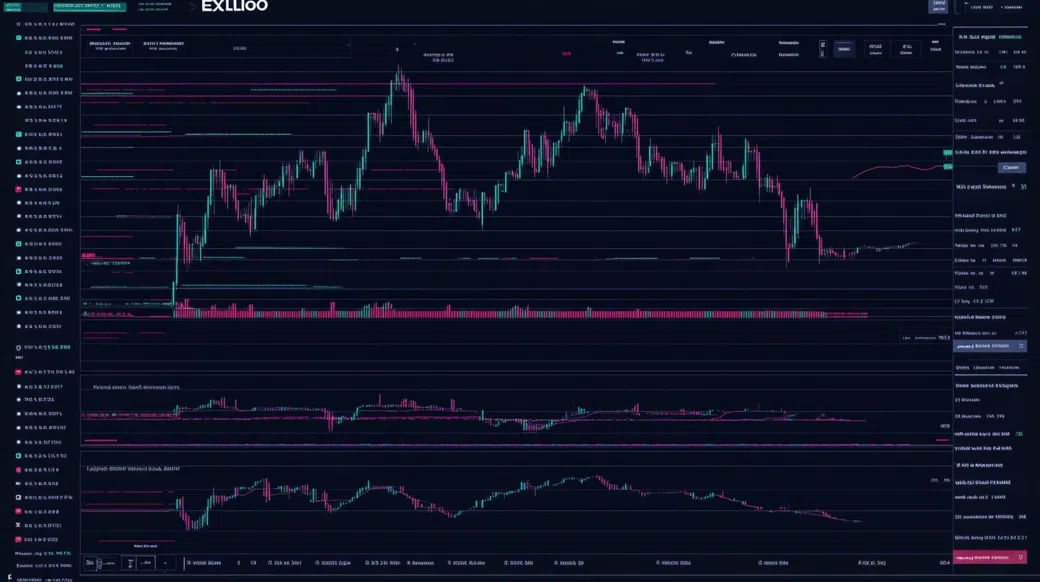
The WebTrader is where this broker wants you to live: browser-based, stable across sessions, and quick to pull up order tickets without hunting through menus. During the Asia-to-London handover, I ran a few small EUR/USD and XAU/USD tickets and saw fills land without platform freezes; slippage was present on fast candles, but it behaved like market reality rather than a constant “mystery tax.” If you’re coming from MT4/MT5, the main gap is ecosystem—fewer third-party plugins and less automation flexibility—but the core execution and risk controls are usable.
The Ganancia Bitrevox app is built for monitoring and reacting: live quotes, adjustable TP/SL, and one-tap position close were the features I leaned on most. Ganancia Bitrevox login stayed sticky on my device with biometric unlock enabled, and deposits/withdrawals are reachable from the same navigation bar as positions—handy when you’re managing margin. Push alerts for price levels worked, although chart drawing is obviously more cramped than desktop. For serious analysis, I still prefer a larger screen, but the mobile build is adequate for risk management on the move.
Charting includes the expected indicator set (MA, RSI, MACD, Bollinger) plus basic drawing tools and multi-timeframe views. There’s also an economic calendar and a compact news feed, enough to keep you aware of CPI/FOMC-style catalysts. The ceiling shows up when you want deeper research, strategy testing, or advanced order-routing analytics—areas where MT5/cTrader ecosystems usually pull ahead. Still, for discretionary macro trading, watchlists and alerts did the heavy lifting.
After entering email, phone, and a short personal-details form, the dashboard immediately prompted identity verification before letting me request a withdrawal. KYC required a government-issued photo ID and a recent address document dated within three months; my verification cleared within the same business day, which is what I’d expect from a broker operating cross-border. The flow was linear: upload, confirmation screen, then status updates inside the account area.
Funding by USDT credited quickly and the balance line updated without needing a page refresh. One practical note: account base currency choices can influence conversion costs, so if you’re trading USD-denominated CFDs, matching your funding rail to USD exposure can reduce friction.
I pushed support on a real trader question: swap rates and how they’re applied across Wednesday rollovers on FX. Live chat came back in roughly three minutes with a concise explanation and pointed me to where the instrument-specific swap values sit inside the platform. I then followed up by email asking about the withdrawal queue after KYC; the ticket reply landed in about eight hours with method-by-method timing guidance and a reminder that internal processing starts once documents are approved.
Coverage is broadly 24/5, which matches the CFD week rather than weekend crypto chatter. Language support will depend on the service desk roster, and phone assistance isn’t consistently offered across regions, so chat/email are the reliable channels. Over holidays, expect slower responses—typical for offshore providers without large, regional call centers.
If you’re considering this broker, start by checking real-time spreads on the instruments you actually trade and confirm your country eligibility before funding. A demo run is useful for testing order types, margin behavior, and the platform layout under live volatility.
Visit Ganancia BitrevoxIt can be, provided you treat leverage with respect and use the demo first. The WebTrader is simpler than many multi-module terminals, but the offshore framework means you must do your own risk management and documentation checks. Beginners should keep sizing small and avoid holding CFDs blindly through major data events.
Yes, crypto CFDs are available, typically including BTC/USD and ETH/USD plus a limited set of larger-cap names. You’re trading derivatives rather than receiving coins, so there’s no blockchain withdrawal. Pay attention to financing, especially over weekends.
No—based on my 2026 test, it behaved like a functioning offshore CFD broker with KYC controls and a withdrawal process that completed. The bigger issue is not “scam” but jurisdictional protection: offshore registration typically offers fewer formal avenues for disputes than Tier-1 regulators. As always, trade CFDs knowing your capital is at risk.
No, the platform restricts USA residents and does not offer accounts there. This is consistent with many offshore CFD providers due to US regulatory rules. If you attempt signup, eligibility checks usually fail at IP/KYC stages.
Most withdrawals are queued for internal handling within 24–48 hours after KYC is approved. Receipt time then depends on the rail: cards often take 2–5 business days, bank wires can run 3–7 business days, and crypto transfers are commonly same-day. Timing can stretch during compliance reviews or bank holidays.
The Ganancia Bitrevox minimum deposit is $200 on the funding screen I used. Some payment methods may effectively require a bit more due to network fees or bank minimums. If you’re testing execution, funding slightly above the minimum can help you avoid margin constraints.
Yes, there are iOS and Android apps alongside the WebTrader. The mobile build supports real-time quotes, opening/closing trades, and account management features like deposits and withdrawals. For detailed chart work, you’ll still get a better workflow on desktop.
Overall Score: 4.0/5
For traders who think in spreads, slippage, and margin—not marketing—Ganancia Bitrevox lands as a credible offshore CFD venue with a competent WebTrader and a sensible two-tier pricing model. My small-ticket executions across FX and metals were consistent, and the withdrawal path (post-KYC) followed the timelines support outlined. Where you should stay alert is the jurisdiction: offshore regulation can mean fewer formal remedies if something goes wrong, so keep exposure measured and avoid overusing 1:500 leverage. If you want to stress-test the UI and pricing first, run a demo and then fund modestly via Ganancia Bitrevox.
Best for: active retail traders focused on FX/indices/metals who want WebTrader simplicity and can manage leverage risk. Avoid if: you require Tier-1 regulatory protections, extensive research, or MT4/MT5 automation ecosystems.