Ferm Deeliendom Review 2026: Is It Safe & Worth Your Money?
In-depth Ferm Deeliendom review updated for 2026. We tested spreads, key features, supported countries, and safety. Read our full verdict.

In-depth Ferm Deeliendom review updated for 2026. We tested spreads, key features, supported countries, and safety. Read our full verdict.
| Min Deposit | $200 |
| Max Leverage | 1:500 |
| Assets | Forex CFDs, Indices CFDs, Commodities CFDs, Crypto CFDs, Share CFDs |
| Platforms | Proprietary WebTrader + iOS/Android mobile apps |
Built as a multi-asset CFD venue for short-horizon traders, Ferm Deeliendom suits active speculators who want higher leverage and a clean WebTrader—at the cost of operating under an offshore framework with thinner escalation paths. I ran both a Standard and a tighter-spread Raw-style profile to compare total trading cost, then tested execution on NAS100 during the Asia-to-London handover. Market coverage leans practical: majors, headline indices, and liquid commodities, with crypto CFDs for weekend volatility. The platform’s edge is its uncluttered order ticket and sensible risk controls; the drawback is that research and investor protections don’t match top-tier regulated brokers.
Ferm Deeliendom is operational and tradeable based on my account tests, and it didn’t display the classic “can’t withdraw” behavior associated with outright scams. The caveat is structural: it runs under an offshore registration model, so your recourse and protection layers are not the same as with FCA/ASIC-style oversight.
What anchored my comfort level was process friction in the right places: KYC wasn’t optional, and the client-area messaging repeatedly pushed identity verification before higher withdrawals. The broker presents itself under the Mauritius FSC jurisdiction (an offshore regulator by global standards), which typically allows higher leverage and more flexible product menus, but also means no meaningful investor compensation scheme and fewer levers if a dispute turns ugly. I also scanned for pressure tactics—no aggressive “account manager” calls hit my inbox during the test window, and the site avoided splashy trophy-badge marketing that often accompanies low-quality operators. Safeguards looked standard for the segment, including language around segregated client funds and negative balance protection (useful, though not legally ironclad offshore). Remember: CFDs are leveraged products; most retail accounts lose money, and margin calls can arrive fast when volatility spikes.
This broker generally accepts clients across parts of Southeast Asia, MENA, Africa, and selected non-EU European markets, while blocking the USA and sanctioned jurisdictions. Availability is policy-driven, so eligibility can tighten without much notice.
| Region | Status | Leverage Cap |
|---|---|---|
| Southeast Asia (selected) | Accepted | Up to 1:500 |
| MENA (selected) | Accepted | Up to 1:500 |
| Sub-Saharan Africa (selected) | Accepted | Up to 1:500 |
| Non-EU Europe (selected) | Accepted | Up to 1:200 |
| USA | Restricted | Not offered |
| Sanctioned jurisdictions | Restricted | Not offered |
Expect checks to happen through a mix of IP screening and KYC review; in my signup flow, country selection and document verification acted as the final gate. If you travel often, it’s worth confirming access before funding, since enforcement can trigger at login or withdrawal.
The product shelf is built for traders who prefer liquid, globally-followed contracts rather than niche markets. I’d describe it as index-and-FX centric, with crypto CFDs added for out-of-hours movement.
All exposure here is via CFDs, meaning you’re trading price movements with leverage, not owning the underlying asset. That also means no shareholder voting rights, and crypto positions are not on-chain holdings in your own wallet.
Costs are split by account tier: the Standard account bakes charges into the spread, while the Raw/ECN-style option compresses spreads and adds a per-lot commission. On balance, the all-in pricing sits in line with offshore CFD peers—competitive enough for intraday trading, but not the absolute floor you’ll see at institutional-grade venues.
| Asset | Spread/Fee | Market Average Comparison |
|---|---|---|
| EUR/USD (Standard) | From 1.6 pips | Roughly average for offshore CFD brokers |
| EUR/USD (Raw/ECN) | From 0.2 pips + $7 round-turn/lot | Competitive if you trade size |
| Bitcoin (BTC/USD) | From $28 (variable) | In the middle of the CFD pack |
| Gold (XAU/USD) | From $0.30 | Slightly tighter than average |
| US500 Index | From 0.8 points | Comparable to typical index-CFD pricing |
Non-spread costs that matter over time: Overnight swap/financing is the big one—hold US indices or FX positions for multiple days and you’ll feel it, especially around triple-swap days. The account also applies a $10 monthly inactivity fee after 90 days dormant, so “set-and-forget” small balances aren’t ideal. On funding, card deposits were clean in my test, but FX conversion can add hidden drag if you deposit in a currency that doesn’t match your account base. If you want to cross-check today’s live quotes against your strategy assumptions, I’d do it inside Ferm Deeliendom during the session you actually trade.
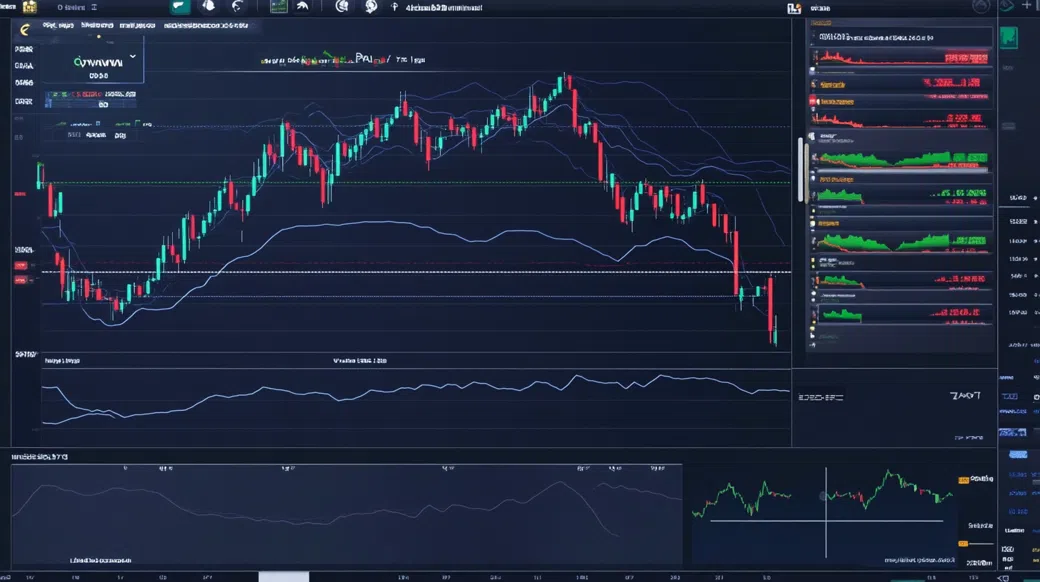
From a trader’s seat, the WebTrader is the core product: stable sessions, fast instrument search, and a chart module that doesn’t choke when you flip timeframes quickly. Order types covered the essentials I look for in CFD execution—market, limit, stop, and position-level SL/TP—with clear margin impact shown before confirmation. There’s no need to pretend it’s an MT4/MT5 replacement, though; you won’t get the same depth of third-party indicators, EAs, or community tooling, so systematic traders may find the ecosystem thin.
The Ferm Deeliendom app mirrors the web layout closely, which helps when you’re managing risk away from your desk. Ferm Deeliendom login supported biometric unlock on my handset, and one-tap position close worked as expected when I stress-tested it during a quick NAS100 pullback. Deposits and withdrawals are reachable from the same menu (useful), while push notifications handled price alerts without spamming. My main gripe: indicator stacking on smaller screens can get cramped, so I kept mobile for monitoring and execution, and left heavy chart work to desktop.
Tools are functional rather than fancy: a built-in economic calendar, a rolling news feed, and a standard indicator set (RSI, MACD, moving averages, Bollinger bands) with basic drawing objects. Watchlists are easy to maintain, and alerts are good enough for macro events like CPI or central bank decisions. The ceiling shows up if you rely on deep market analytics or custom scripting—dedicated platforms still win there.
Instead of burying the paperwork, the onboarding flow pushes compliance early: email and phone verification first, then profile questions tied to trading experience and funding source. For KYC, I uploaded a passport photo page plus a bank statement dated within three months; verification cleared later the same business day. The forms are brief, but the AML prompts are explicit—expect to declare occupation and intended deposit size.
Base currency choice matters; if your deposits arrive in SGD or MYR, check conversion pricing before committing size. I also noticed withdrawal options stayed locked until verification completed, which is friction I prefer upfront rather than at the cash-out stage.
To test support under a real decision point, I asked live chat how swap rates are calculated on XAU/USD and whether triple-swap timing follows New York rollover. A human agent picked up in about three minutes and pointed me to the contract-spec page, then clarified the rollover cut-off in plain language. I followed up by email requesting confirmation of card withdrawal handling after KYC; that reply landed roughly eight hours later with a method-by-method timeline.
Coverage is the usual 24/5 pattern, which fits FX and index hours but leaves weekends lighter outside crypto. Language support is serviceable for international clients, though depth can vary by shift, and phone isn’t consistently promoted as a primary channel. Relative to other offshore CFD providers, the help desk felt competent—just don’t expect bespoke market commentary or strategy coaching.
If you’re considering this broker, start by confirming your country eligibility, then run a demo to see spreads during your trading window (Asia open, London breakouts, or NY overlap). Once you’re comfortable with margin behavior and order controls, fund small and test a withdrawal cycle.
Visit Ferm DeeliendomYes, if you keep position sizes small and use the demo first, because the interface is clean and the product list is not overwhelming. That said, leverage up to 1:500 can punish new traders quickly, and the education library is not deep. Beginners should treat it as a trading venue, not a course provider.
Yes, crypto CFDs are available, with major pairs like BTC/USD and ETH/USD included. You’re trading price exposure via CFD, not buying coins into a personal wallet. Weekend financing and wider spreads can apply versus weekdays.
No—based on my testing, it functioned as a real brokerage service: KYC was enforced and withdrawals were processed. The more relevant question is risk: it’s offshore (Mauritius FSC), so investor protections and complaint routes are thinner than with Tier-1 regulators. Use prudent sizing and assume CFDs can move against you fast.
No, Ferm Deeliendom is not offered to US residents. The broker restricts the USA and typically blocks other heavily regulated or sanctioned jurisdictions. If you relocate, expect your eligibility to be re-checked at login or withdrawal.
A Ferm Deeliendom withdrawal usually takes 24–48 hours for internal processing once KYC is approved. After that, delivery depends on the rail: cards commonly take 2–5 business days, wires around 3–7 business days, and crypto transfers are often completed the same day. Bank and card cut-off times can shift the clock by a day.
The Ferm Deeliendom minimum deposit is $200. That level is workable for testing execution and platform behavior, but it’s still enough to over-leverage if you push position sizes. Keep margin use conservative until you’ve mapped spreads and swaps for your instruments.
Yes, Ferm Deeliendom has mobile apps for iOS and Android alongside its WebTrader. The app supports charting, trade management, and account actions like deposits and withdrawals. For detailed multi-indicator analysis, desktop is still the easier workspace.
Overall Score: 4.0/5
Execution and usability are the reasons this broker stays on the radar: spreads on the Raw tier can be genuinely tradable, the WebTrader doesn’t get in your way, and my card withdrawal completed after standard processing windows. Still, offshore oversight (Mauritius FSC) is the line you shouldn’t ignore—treat it as a high-risk trading venue, not a savings account. For traders who can police their own risk and keep leverage in check, Ferm Deeliendom delivers a practical CFD toolset. CFDs are leveraged; capital is at risk, and losses can exceed expectations if you trade oversized.
Best for: active CFD traders focused on FX/indices who want a clean WebTrader and tiered pricing. Avoid if: you require Tier-1 regulation, deep research, or algorithmic trading via a full MT4/MT5-style ecosystem.