Dorobkizna Review 2026: Is It Legit and Safe?
Is Dorobkizna legit and safe in 2026? A calm, evidence-based review of regulatory signals, fund safety checks, withdrawals, and what to verify before depositing.

Is Dorobkizna legit and safe in 2026? A calm, evidence-based review of regulatory signals, fund safety checks, withdrawals, and what to verify before depositing.
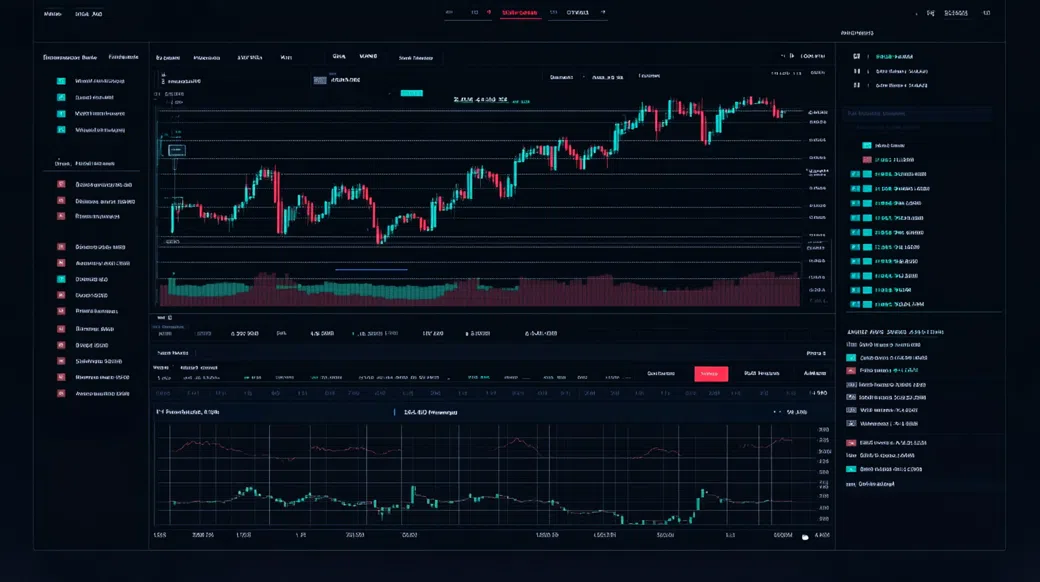
Capital protection comes first, so it’s natural to ask Is Dorobkizna legit? and whether is Dorobkizna safe before wiring funds. From publicly visible signals, Dorobkizna currently reads more like a high-risk, lightly verified CFD/FX-style trading platform than a fully transparent, top-tier regulated brokerage. That doesn’t automatically make it fraud, but it does mean your safety depends on what you can confirm in black-and-white documents. Before depositing, verify the legal entity, regulator status, and withdrawal terms directly on Dorobkizna.
Dorobkizna presents as an online trading venue most consistent with a leveraged FX/CFD brokerage model (rather than a spot stockbroker or crypto exchange). In that category, regulation isn’t a badge for the homepage—it’s the plumbing that governs client money handling, disclosures, and complaint escalation. One clean way to start is the legal-entity check: a reputable broker publishes the operating company name and jurisdiction in the footer and inside the terms, then you can cross-check that entity on the relevant financial regulator register. This is where the question “Dorobkizna legit” becomes measurable: does the name on the website match a searchable record, and do the services listed on the register match what the platform is offering? If you see leverage and CFDs but can’t verify an overseeing authority, you’re dealing with higher counterparty risk by design.
| Entity Name | The brand may be presented as “Dorobkizna,” but users should confirm the exact operating legal entity name shown in the terms/website footer and ensure it matches any corporate registry or regulator listing. |
| Compliance Signals | Look for publicly accessible risk disclosures, AML/KYC language, and a stated jurisdiction; verify any regulatory claims by searching the regulator’s public register rather than relying on logos. |
| Security | At minimum, confirm HTTPS/TLS across all pages and check whether 2FA is offered at login; privacy and data-protection statements should align with the stated operating jurisdiction. |
Direct Answer: For “is my money safe with Dorobkizna?” the honest answer is conditional: it depends on whether you can verify who holds client funds, what legal protections apply, and how withdrawals are governed. In other words, is Dorobkizna safe is not a yes/no—your safety is tied to documentation, jurisdiction, and enforceable oversight.
Start with the money path, not the trade ticket. For CFD-style brokers, the first document you want is a clear statement on client funds protection (segregated accounts, who the banking partners are, and what happens if the broker fails). Next, inspect the withdrawal rules: processing time windows, required KYC steps, fees, and any “bonus” clauses that can lock funds. Then move to the security stack—TLS in the browser bar is table stakes; 2FA (preferably authenticator-based) materially lowers account takeover risk. Practical checks you can do in 10 minutes: (1) find the legal entity in the terms, (2) search that entity on the claimed regulator register, (3) read the withdrawal policy end-to-end, (4) confirm 2FA exists before depositing, and (5) screenshot fee schedules for later comparison if terms change.
Product disclosure is where weak brokers get exposed. A credible leveraged trading platform lays out spreads/commissions, swap/financing costs, margin/leverage ranges, and execution approach (market maker vs. agency) in plain text—ideally without forcing an account sign-up. It should also publish a risk disclosure that doesn’t hide behind vague language, because CFDs are loss-amplifiers when volatility spikes. If you’re evaluating the Dorobkizna trading platform, treat missing pricing pages, unclear leverage tables, or shifting terms as signals that matter more than the number of instruments listed. That’s the trader’s lens: costs and rules first, marketing later.
For an FX/CFD-style venue, the typical menu starts with major/minor currency pairs, then expands into index CFDs, commodities (energy/precious metals), and sometimes single-stock CFDs or crypto-linked CFDs depending on jurisdiction. If Dorobkizna publicly lists instruments, compare that list against the margin schedule and contract specifications—legit platforms keep contract size, trading hours, and financing methodology easy to find. Asking whether is Dorobkizna a legit choice comes down to consistency: do the instrument specs, fees, and risk warnings line up across documents, or do you see gaps that only get answered after you fund? When details are fuzzy, reduce size and demand clarity before you treat it like a primary brokerage.
Online feedback is useful, but it’s noisy—especially in brokerage land where affiliate incentives, one-off disputes, and outright fake reviews can skew the picture. A more robust read comes from triangulation: compare aggregator sites with long-form community threads (where users post screenshots of emails, withdrawal timelines, and terms excerpts) and, when applicable, regulator warning lists or complaint channels. On the “Dorobkizna scam or legit” debate, pay particular attention to patterns around withdrawals and account verification—those are the stress points where operational quality shows up. Keep your standards consistent: a platform can have slick UX and still be a poor counterparty if policies are vague or enforcement is arbitrary.
This isn’t a vibe-check; it’s a risk checklist. If you’re trying to decide whether is Dorobkizna a legit broker, focus on items you can verify from documents and public registers—because those are enforceable when things go wrong.
Use the website visit as a verification exercise, not a funding decision. Start by locating the legal entity and jurisdiction in the footer/terms, then read the withdrawal and fee pages line-by-line. Finally, check whether account security features (like 2FA) are available before you deposit. If any of those basics are hard to find, pause and compare with a regulated broker you can validate on a public register.
Visit DorobkiznaFrom a trader’s risk lens, the safest conclusion is: evidence is too thin to confidently say is Dorobkizna legit in the way a publicly regulated broker is legit, and that uncertainty also limits how strongly anyone can claim is Dorobkizna safe for meaningful deposits. Dorobkizna may still function as a trading venue, but without verified regulatory traceability and clear, enforceable client-fund protections, it sits in the higher-risk bucket. If you’re determined to proceed, treat it like counterparty exposure: size small, document everything, and don’t rely on verbal assurances. Before depositing with Dorobkizna, verify the legal entity, confirm any claimed license on the regulator’s register, and read the withdrawal policy for restrictions that could delay access to funds.
Risk Warning: Trading involves risk and you can lose money, especially with leveraged products like CFDs. This article is for informational purposes only and does not constitute financial advice.
Legitimacy hinges on whether the operating company and any license claims can be verified on a public regulator register. Based on publicly visible signals alone, the case is not strong enough to treat it like a fully regulated brokerage. If you’re assessing is Dorobkizna legit, start with the entity name in the terms and match it to official records.
Deposit and withdrawal safety depends on clear written policies, consistent KYC/AML enforcement, and an accountable jurisdiction. When users ask how safe is Dorobkizna, the deciding factor is whether withdrawals are governed by specific timelines/fees and whether disputes have a formal escalation path. If those documents are vague or hard to locate, keep exposure small.
There isn’t enough verified public evidence here to label it definitively, but “is Dorobkizna a scam” is the wrong end-point question—focus on verifiable safeguards. The more a platform avoids naming its legal entity, regulatory status, and withdrawal constraints, the more you should treat it as high-risk. Use documentation checks rather than marketing claims.
Your money is only as safe as the platform’s enforceable protections: regulated oversight (if any), client-funds handling rules, and withdrawal clarity. Without verified segregation language and a confirmable regulator footprint, you should assume higher counterparty risk. If you proceed, avoid treating it like a long-term cash venue.
Check (1) the operating legal entity name in the terms, (2) any claimed license on the regulator’s public register, (3) the withdrawal policy for timelines, fees, and restrictions, (4) whether 2FA is available at login, and (5) the full fee schedule including spreads/commissions and overnight financing. Screenshot the key pages so you have a record of what you agreed to. If any of these items can’t be verified, reconsider or reduce your deposit size materially.