Doğan Gelirca Review 2026: Is It Safe & Worth Your Money?
In-depth Doğan Gelirca review updated for 2026. We tested spreads, key features, supported countries, and safety. Read our full verdict.

In-depth Doğan Gelirca review updated for 2026. We tested spreads, key features, supported countries, and safety. Read our full verdict.
| Min Deposit | $200 |
| Max Leverage | 1:500 |
| Assets | Forex, Indices, Commodities, Crypto CFDs, Share CFDs |
| Platforms | WebTrader + iOS/Android mobile apps |
Built around leveraged CFD trading, Doğan Gelirca suits active traders who want multi-asset access with higher leverage, with the headline trade-off being an offshore framework and lighter investor protections than Tier-1 venues. In my test, the account menu split cleanly into a spread-only Standard tier and a tighter Raw/ECN-style tier with commission, which matters if you scalp around session opens. The lineup leans FX and index CFDs first, with crypto and metals available for tactical hedges. The WebTrader is chart-forward (usable on a second monitor), while the mobile app covers the essentials for monitoring risk on the move. The main drawback: costs can drift higher once swaps, conversion, and dormancy charges enter the picture—so it pays to read the fine print on Doğan Gelirca.
On balance, Doğan Gelirca looked operational rather than a “vanish-with-your-deposit” setup, but it still carries the usual offshore caveats. I was able to verify identity, place trades, and complete a withdrawal request—yet you shouldn’t expect the same safety net you’d get under stricter onshore regimes.
The provider presented itself as operating under a Mauritius FSC-style offshore registration model, which typically allows higher leverage and broader product packaging but offers fewer statutory backstops (think: thinner compensation schemes and a narrower path for formal complaints). From a red-flag perspective, I watched for the classic tells—aggressive “account manager” pressure, flashy badges with no verification trail, and withdrawal friction—and didn’t see hard-sell tactics during my test window. KYC/AML gates were enforced (ID plus proof of address), and the legal pages referenced segregated client funds language, though offshore disclosures rarely equal enforceable protection in a crisis. As always, CFDs are leveraged products; most retail accounts lose money, and margin calls can arrive quickly when volatility spikes.
The broker generally accepts clients across parts of Southeast Asia, MENA, and selected non-EU European jurisdictions, while the USA and sanctioned territories are blocked. Eligibility is ultimately confirmed at onboarding and can vary by local rules.
| Region | Status | Leverage Cap |
|---|---|---|
| Southeast Asia (selected) | Accepted | Up to 1:500 |
| MENA (selected) | Accepted | Up to 1:500 |
| Europe (non-EU/EEA, selected) | Accepted | Up to 1:500 |
| Latin America (selected) | Accepted | Up to 1:500 |
| Sub-Saharan Africa (selected) | Accepted | Up to 1:500 |
| USA | Restricted | Not offered |
| Sanctioned jurisdictions | Restricted | Not offered |
In practice, access is enforced through a mix of IP checks and KYC screening during signup/verification. If your residency or document set changes, expect the platform to re-check eligibility before enabling funding or a first withdrawal.
From a trader’s lens, this is a “macro-first” CFD offering: FX and indices are the core, with commodities and crypto added for volatility exposure and hedging. I found enough breadth to build a simple cross-asset watchlist without feeling flooded by illiquid tickers.
These are CFDs, not spot holdings: you’re trading price movement with leverage, not taking delivery, receiving shareholder rights, or moving coins on-chain. Dividend adjustments (where offered) are accounting entries, not the same as owning the underlying equity.
Pricing is tiered: the Standard account is spread-only, while the Raw/ECN-style account compresses spreads and charges a per-lot commission. On EUR/USD, my screens showed a Standard floor around 1.6 pips, whereas the Raw feed hovered near 0.2 pips plus commission—broadly in line with offshore CFD peers when liquidity is normal.
| Asset | Spread/Fee | Market Average Comparison |
|---|---|---|
| EUR/USD (Standard) | From 1.6 pips | About average for offshore CFD brokers |
| EUR/USD (Raw/ECN) | From 0.2 pips + $7 round-turn/lot | Competitive if you trade size |
| Bitcoin (BTC/USD) | From $35 | Typical for CFD crypto pricing |
| Gold (XAU/USD) | From $0.35 | Slightly better than average in calm markets |
| US500 Index | From 0.8 points | Near the pack for index CFDs |
Non-spread costs to watch: overnight swap/financing is the real P&L drag for swing positions, and it’s especially visible when you hold indices through volatile weeks. The account also applies an inactivity fee of $10 per month after 90 days without trading, which can turn a “parked” account into a slow leak. Funding and withdrawals may carry third-party charges (card processors, banks, or blockchain fees), and FX conversion can add friction if your base currency doesn’t match your deposit rail.
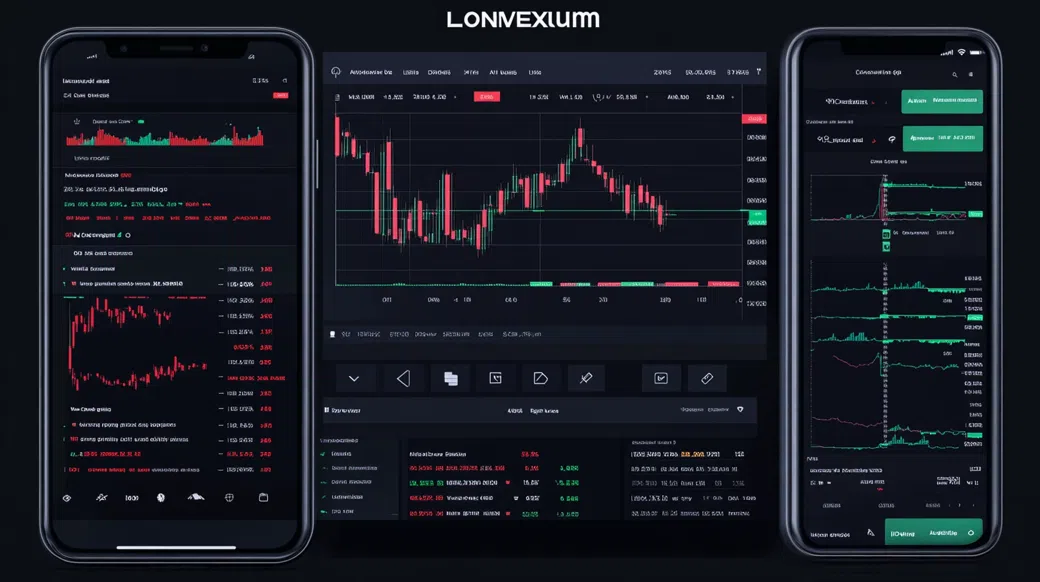
WebTrader is the main workhorse here: stable sessions, clean instrument search, and chart layouts that don’t fight you when you’re marking levels across timeframes. I stress-tested execution with a small NAS100 market order into a fast tape during the London-to-NY handover; fills landed without a requote, though spread visibly widened for a few seconds as liquidity thinned. The big gap versus MT4/MT5 is the ecosystem—fewer third-party add-ons and less portability for traders who rely on custom scripts.
On the Doğan Gelirca app, real-time quotes and watchlists synced quickly, and I could manage margin (add/trim exposure) without hunting through menus. Biometric sign-in worked reliably after the first Doğan Gelirca login, and push alerts for price levels were useful for Asia-session monitoring. Order tickets support market and pending orders, plus one-tap close for risk control; the only quirk I noticed was occasional chart redraw lag when switching from Wi‑Fi to mobile data.
Tools are adequate rather than institutional: you get common indicators (MA/RSI/MACD/Bollinger), drawing tools for structure, and multi-timeframe views for quick top-down reads. There’s an economic calendar and a lightweight news feed, but don’t expect deep macro write-ups or strategy research that replaces your own workflow. For traders who live in MT5/cTrader analytics, this platform is more “execute and manage” than “research and model.”
After entering the usual basics (email, phone, residence), the client area pushed me straight into KYC prompts before letting me raise withdrawal limits. Verification required a government-issued photo ID and a proof-of-address document dated within three months; my review status flipped to approved later the same business day. The process felt geared toward AML compliance rather than sales theatrics, which I prefer.
Base currency choices were serviceable for international clients, but conversion costs can still show up if you fund in a mismatched currency. I deposited via USDT to keep the funding leg clean, then ran small-lot tests across FX and indices before sizing up.
Support quality matters most when money needs to move, so I tested live chat with a practical question: whether internal withdrawal processing starts only after KYC approval and what the cutoff time is. The agent replied in roughly three minutes with a clear timeline (24–48 hours internal processing after verification) and pointed me to the withdrawal page notes. I followed up by email asking how swap rates are displayed per symbol; the ticket response arrived in about nine hours with step-by-step screenshots.
Coverage is broadly 24/5, which aligns with the CFD week, and language support appears region-dependent rather than universal. Phone lines weren’t prominent in my region, so I’d treat chat/email as the primary channels. Weekends are quieter: crypto markets run, but human escalation tends to slow down outside business hours.
If you’re considering an offshore CFD venue, start by checking live spreads in your trading hours and verifying that your country is eligible before funding. A demo pass first helps you map the WebTrader workflow, then you can move to a small deposit to test execution and withdrawals end-to-end.
Visit Doğan GelircaIt can be, provided you keep position sizes small and understand leverage. The demo account with $10,000 virtual funds is a sensible starting point, and the interface is not overly complex. Beginners should still budget for swaps and learn margin mechanics before using up to 1:500 leverage.
Yes, crypto trading is available via crypto CFDs such as BTC/USD and ETH pairs. You’re speculating on price rather than owning coins, so there’s no on-chain transfer. Expect weekend pricing and financing effects to be more noticeable than in major FX.
No, it did not present like a classic Doğan Gelirca scam during my checks: KYC was enforced, trading worked, and withdrawal steps were available. That said, it appears to operate under an offshore registration model, which means fewer formal protections than top-tier regulators. Treat it as a higher-risk venue and manage exposure accordingly.
No, Doğan Gelirca is not offered to USA residents. The onboarding flow and restricted-region policy screen both point to the US being blocked. If you’re in the US, you’ll need a domestically compliant brokerage.
Most withdrawals are queued within 24–48 hours internally once KYC is approved. After that, delivery depends on the rail: cards commonly take 2–5 business days, bank wires can run 3–7, while crypto is often same-day. Timing can stretch during compliance reviews or bank holidays.
The Doğan Gelirca minimum deposit is $200 in the funding screen I used. That amount is enough to test fills and fees, but it’s still small enough to keep risk contained. Your payment method and base currency may influence final credited value due to conversion and network fees.
Yes, there are iOS and Android apps for trading and account management. You can place and manage orders, set alerts, and handle deposits/withdrawals from the phone. For deep analysis, I still prefer the larger WebTrader layout, but mobile is good for monitoring margin and risk.
Overall Score: 3.9/5
Execution and layout are the story here: the platform is built for getting charts up fast, placing CFD orders, and managing exposure across FX, indices, metals, and crypto without excess clutter. My deposit and KYC flow were consistent with a broker trying to look compliant, and the fee model (Standard vs Raw/ECN) is rational for different trading tempos. Still, offshore status means fewer guardrails, and high leverage can magnify mistakes quicker than most new traders expect. If you proceed, treat Doğan Gelirca as a tactical venue, size down, and respect margin—CFDs put capital at risk.
Best for: active CFD traders who want a chart-centric WebTrader and Raw/ECN pricing for short-term strategies. Avoid if: you need Tier-1 regulation, deep research, or you’re prone to over-leveraging with 1:500.