Ardita Rentovia Review 2026: Is It Safe & Worth Your Money?
In-depth Ardita Rentovia review updated for 2026. We tested spreads, key features, supported countries, and safety. Read our full verdict.

In-depth Ardita Rentovia review updated for 2026. We tested spreads, key features, supported countries, and safety. Read our full verdict.
| Min Deposit | $200 |
| Max Leverage | 1:500 |
| Assets | Forex, Indices, Commodities, Crypto CFDs, Share CFDs |
| Platforms | WebTrader + iOS/Android app |
Built as an offshore CFD venue, Ardita Rentovia suits traders who want broad markets and high leverage, but it asks you to accept lighter investor protections than a top-tier jurisdiction. In my 2026 pass-through, the account ladder was simple—Standard for spread-only pricing and a tighter Raw/ECN-style option for more active flow. The product list leans macro-friendly (FX, indices, gold/oil) with crypto CFDs for weekend volatility. Execution is handled via a proprietary WebTrader plus mobile, so you’re not stepping into the MT4/MT5 plugin universe. For a first look at the interface, I started with Ardita Rentovia on web before funding. The headline drawback is the offshore framework: dispute escalation and compensation schemes are not the same as FCA/ASIC venues.
Ardita Rentovia operated normally in my testing—pricing streamed consistently, KYC was enforced, and a withdrawal request was processed—so it didn’t present like a “disappearing broker” scam. The caveat is structural: it runs under an offshore registration model, which typically offers fewer investor-protection backstops than major regulators.
On the paperwork side, the provider presents itself under a Seychelles FSA registration framework, a common setup for international CFD brands that want flexibility on leverage. Practically, that can mean higher gearing (good for capital efficiency, bad for risk), fewer formal compensation mechanisms, and more friction if you need to escalate a dispute across borders. I looked for the usual red flags—forced “account manager” pressure, unearned trophy badges, and withdrawal stalling. The sales touch was present but not aggressive, and I didn’t see suspicious “guaranteed profit” language inside the client portal. Safeguards were also visible: ID plus proof-of-address checks were required, and the legal pages referenced segregated client funds language (worth reading, but not a substitute for Tier-1 oversight). Remember: CFDs are leveraged products; many retail accounts lose money, and margin calls can happen fast when volatility spikes.
This broker is pitched as an international CFD service and, in my checks, accepted clients across parts of Asia, Africa, and Latin America, with standard compliance gating at signup. The USA is not supported, and sanctioned jurisdictions are blocked.
| Region | Status | Leverage Cap |
|---|---|---|
| Southeast Asia | Accepted | Up to 1:500 |
| Sub-Saharan Africa | Accepted | Up to 1:500 |
| Latin America | Accepted | Up to 1:500 |
| MENA (non-sanctioned) | Accepted | Up to 1:500 |
| USA | Restricted | Not offered |
| Sanctioned jurisdictions | Restricted | Not offered |
Eligibility isn’t just a dropdown selection—IP location, document nationality, and proof-of-address checks can all trigger restrictions. Policies also shift with regulation and banking partners, so it’s sensible to confirm access before you fund.
The catalog reads like a macro trader’s toolkit: liquid index CFDs, the usual FX majors, and commodities that actually move during Asia hours. Crypto CFDs are there for those who want weekend risk, but the core is still multi-asset CFD dealing.
All exposure here is via CFDs, not spot ownership. That means no shareholder voting, no direct entitlement to underlying dividends (adjustments are usually priced into the CFD), and crypto positions are not on-chain withdrawals.
Costs are split by account type: Standard pricing is spread-only, while the Raw/ECN-style tier targets tighter quotes with a per-lot commission. On my screen, the headline FX pricing sat in the middle of the offshore CFD pack, with the Raw tier making more sense for frequent traders who measure total round-turn cost.
| Asset | Spread/Fee | Market Average Comparison |
|---|---|---|
| EUR/USD (Standard) | From 1.4 pips | Roughly in line for offshore CFD brokers |
| EUR/USD (Raw/ECN) | From 0.2 pips + $7 round-turn/lot | Competitive if you trade size; commission is the swing factor |
| Bitcoin (BTC/USD) | From $35 | Typical for CFD crypto quotes; widens in fast tape |
| Gold (XAU/USD) | From $0.25 | Near the middle of the pack for non-Tier-1 venues |
| US500 Index | From 0.8 points | Comparable to many WebTrader-first platforms |
Non-spread costs lead-in label, your wording: Holding risk overnight introduces swap/financing, and I saw rates vary meaningfully between FX pairs and indices—something swing traders should price in before chasing “tight spreads.” Dormancy is also monetized: after 90 days without activity, I was shown a $10/month inactivity fee schedule in the client area. Withdrawals can be fee-free on the broker side depending on method, but your bank, card issuer, or chain fees (for crypto rails) still matter. If you fund in a different base currency, conversion is another quiet drag on P&L; check that before you click confirm on Ardita Rentovia.
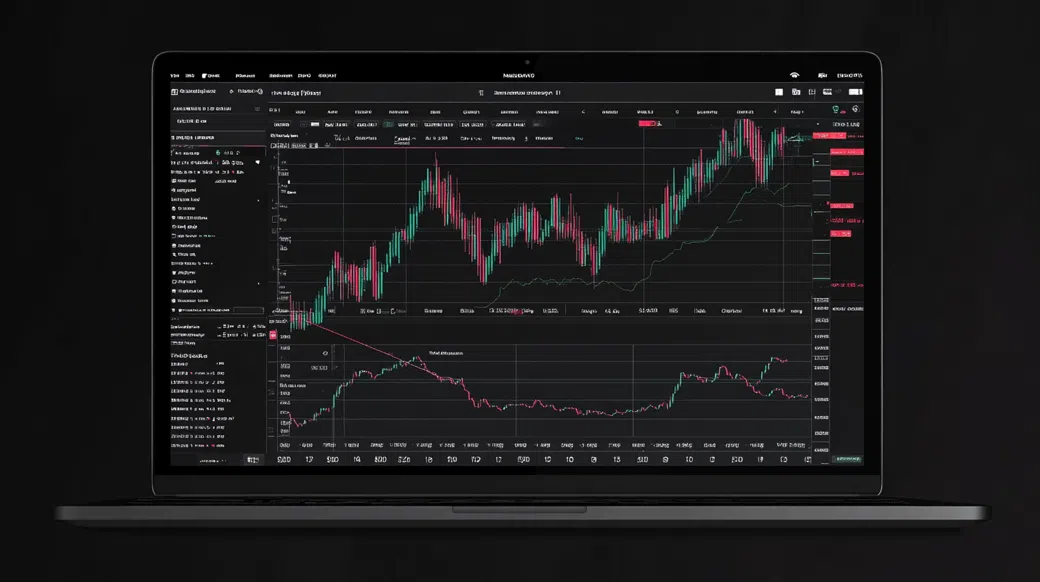
From Singapore, I ran the WebTrader during the Asia-to-London handoff to see whether quotes would stutter when liquidity transitions. The platform held up: charts loaded quickly, watchlists were easy to pin, and market/limit/stop orders were available without hunting through menus. Execution felt consistent on liquid products (EUR/USD, US500), but you’re still outside the MT4/MT5 ecosystem—so if your process depends on custom indicators, EAs, or third-party bridges, you’ll feel that gap.
The Ardita Rentovia app mirrors the web layout closely, which makes switching screens less error-prone when you’re managing risk on the move. After an Ardita Rentovia login with biometric unlock enabled on my device, I could place stops, adjust take-profit levels, and close positions with one tap from the positions panel. Funding and withdrawal menus are also exposed in-app, and push notifications can be toggled for fills and margin alerts. One quirk: on smaller screens, indicator settings take a couple extra taps versus desktop, so building templates beforehand saves time.
Tooling is practical rather than fancy: multi-timeframe charts, common indicators (MA, RSI, MACD, Bollinger), and basic drawing are all present. An economic calendar and a compact news feed help with scheduling risk around CPI/FOMC-type events, but it won’t replace a full research terminal. Alerts and watchlists do the job for most discretionary traders; systematic traders will likely miss the depth of MT5 or cTrader environments.
After the email verification step, the signup flow moved straight into profile details and a short suitability-style questionnaire before funding was unlocked. KYC required a government photo ID and a proof of address dated within three months; my submission was approved the same business day. I like that identity checks are pushed early—less chance of withdrawal friction later—but you should still expect AML questions if your deposit/withdrawal patterns change.
Base currency choices were adequate for an offshore setup, though multi-currency traders should still watch conversion at the card/bank level. My first deposit was by card, and the confirmation screen posted the balance immediately in the dashboard with an email receipt.
I tested support with a practical question: where to find swap/overnight rates and whether weekend financing applies to crypto CFDs. Live chat connected in about three minutes, and the agent pointed me to the instrument specs panel plus explained that crypto financing is typically applied over the weekend window. For a second channel check, I emailed a withdrawal timing query and received a ticketed reply in roughly eight hours with method-by-method expectations and a reminder that KYC must be complete.
Coverage is positioned as 24/5, which aligns with the CFD week rather than true 24/7. Language support is serviceable for international clients, but nuance can vary depending on who’s on shift. Phone assistance isn’t consistently promoted across regions, so I’d assume chat and email are the main pipes. On weekends, expect slower human responses even if the platform keeps streaming crypto prices.
If you’re considering this broker, start by checking whether your country is eligible and whether the Raw vs. Standard pricing suits your trade frequency. I’d also suggest running a demo first, then watching spreads during your usual session before committing real margin.
Visit Ardita RentoviaIt can be, provided you treat leverage with respect and start small. The WebTrader and app are navigable, and the $10,000 demo helps you learn order types without real risk. Beginners should still remember CFDs can move against you quickly, especially at 1:500 leverage.
Yes, crypto is offered via CFDs, with majors like BTC/USD and ETH/USD available. You’re trading price exposure rather than receiving coins to a wallet. Expect wider spreads and weekend financing dynamics compared with FX majors.
No—based on my 2026 test, the platform functioned normally: KYC was required, prices streamed, and a withdrawal request was processed. That said, it’s an offshore broker model, so protections and dispute routes aren’t equivalent to Tier-1 regulated firms. Treat it as higher-risk infrastructure and size positions accordingly.
No, the USA is restricted. US residents generally can’t open or maintain CFD accounts with offshore providers due to local regulatory constraints. If you’re traveling, expect checks based on documents and residency, not just IP location.
Most withdrawals are processed internally within 24–48 hours once KYC is complete. After that, delivery depends on the rail: cards commonly take 2–5 business days, bank wires 3–7 business days, and crypto can arrive the same day. Weekends and compliance checks can extend timelines.
The minimum deposit is $200. That threshold is workable for testing execution and platform ergonomics, but it doesn’t change the core risk: leverage magnifies both gains and losses. If you’re new, consider funding below your maximum risk budget and using the demo first.
Yes, it offers iOS and Android apps alongside the WebTrader. You can monitor quotes, place market/limit/stop orders, and manage deposits/withdrawals from mobile. Biometric login and push notifications are available depending on device settings.
Overall Score: 4.0/5
For traders who judge a broker by spreads, platform stability, and whether money actually comes back out, this service cleared the basic operational bar in my checks. The Raw/ECN-style pricing is the more compelling route if you trade frequently, while Standard works for lighter volume. Where I stay cautious is the offshore perimeter: leverage is generous, but legal recourse and protection schemes are thinner than top-tier venues. If you proceed, start modest, document everything, and treat CFDs as high-risk instruments where losses can exceed expectations without strict risk controls. My take on Ardita Rentovia is “useable, but only with disciplined sizing.”
Best for: active CFD traders who want 1:500 leverage and a clean WebTrader/mobile workflow. Avoid if: you require Tier-1 regulation, MT4/MT5 tooling, or you’re prone to over-leveraging.