Trading Regulation in Singapore (2026): Retail Guide
A factual 2026 guide to trading regulation in Singapore: MAS oversight, legal markets (stocks, forex, crypto), broker checks, taxes, and key retail risks.

A factual 2026 guide to trading regulation in Singapore: MAS oversight, legal markets (stocks, forex, crypto), broker checks, taxes, and key retail risks.
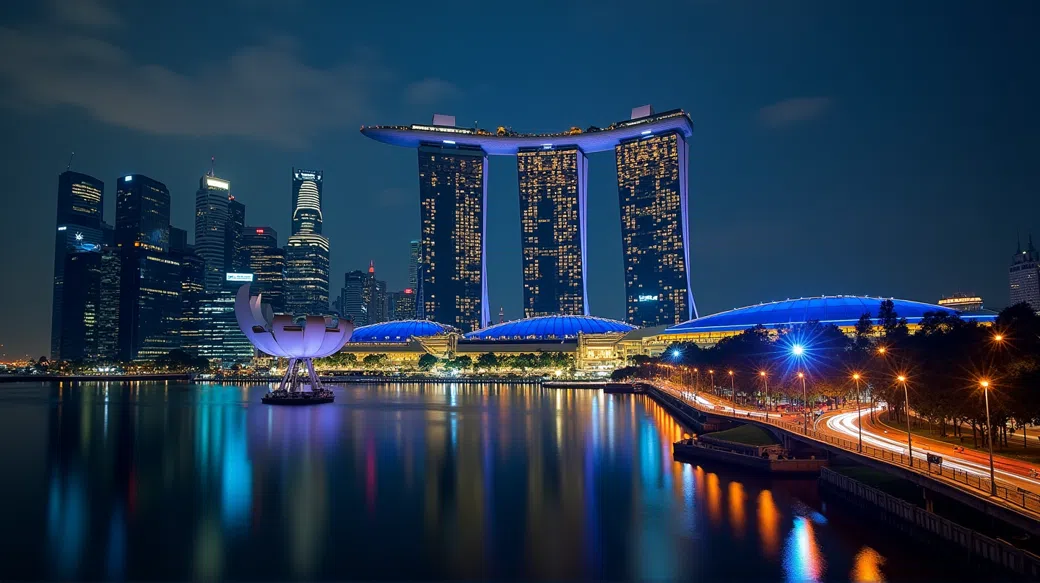
Trading regulation in Singapore is primarily overseen by the Monetary Authority of Singapore (MAS), which acts as the integrated financial supervisor and sets the core market supervision standards. For retail traders, understanding the local regulatory framework for traders matters because it affects broker licensing, product access (from shares to leveraged CFDs), and how disputes or misconduct are handled.
MAS is Singapore’s integrated financial regulator and central bank, responsible for securities oversight, licensing and supervising capital markets intermediaries, and setting conduct standards designed to support fair dealing and resilient markets. In practice, MAS authorisation/approval is central to whether a broker, dealer, or platform can lawfully provide regulated services to retail clients in Singapore, and it also issues public alerts and takes enforcement action where rules are breached.
As the central bank, MAS also influences conditions relevant to trading—such as systemic stability, payments integrity, and broader financial-sector soundness. While retail FX speculation is not “monetary policy,” MAS’ prudential and conduct requirements can shape how leverage, margining, marketing, and risk disclosures are implemented under Singapore’s trading laws and related notices/guidelines.
| Authority | Function |
|---|---|
| Monetary Authority of Singapore (MAS) | Licensing & supervision of regulated firms; conduct rules; enforcement; AML/CFT expectations |
| Monetary Authority of Singapore (MAS) (Central Banking) | Financial stability and system oversight that supports safe market functioning and payments integrity |
| Singapore Exchange (SGX) | Exchange/operator role; market operations and surveillance for listed markets, working within the wider securities oversight framework |
Equities and listed products traded on regulated venues (notably SGX-listed instruments) sit within Singapore’s financial market regulation, with rules around disclosure, market conduct, and intermediary obligations. Retail traders typically access these markets through MAS-authorised brokers/custodians, and protections tend to be strongest where products are exchange-traded and client assets are held under clear custody arrangements.
Commodities exposure is commonly obtained through exchange-traded derivatives or OTC derivatives offered by intermediaries. The exact regulatory treatment depends on the product structure (spot, futures, options, CFDs) and who is offering it; in general, commodities derivatives offered to retail clients are expected to fall under broker licensing rules and suitability/risk-disclosure expectations where the activity is regulated.
Retail forex trading is generally accessible in Singapore through properly authorised providers, but the key dividing line is whether you are dealing with an MAS-authorised entity or an offshore platform soliciting Singapore clients without local authorisation. From a market supervision perspective, the highest-risk cases are typically unlicensed “lookalike” brands, aggressive leverage marketing, or arrangements where your counterparty is a lightly supervised offshore entity; those setups can reduce practical recourse even if the website appears professional.
Crypto activity in Singapore is shaped heavily by AML/CFT and licensing under payment-services style regulation, and may not always resemble “securities-style” investor protection depending on the token and service. As a practical rule under Singapore’s regulatory framework for traders, retail users should treat some crypto offerings as higher risk—particularly where a platform is not clearly licensed/authorised for the relevant activity, where token classification is uncertain, or where products involve leverage, lending, or complex yield features.
The most reliable way to validate compliance under Trading Regulation in Singapore is to confirm that the firm you are onboarding with is the same legal entity shown on MAS’ official public register, and then verify its permitted activities match what it is offering you (shares, derivatives, FX/CFDs, custody). This due diligence is a core part of retail safety under Singapore’s broker licensing rules, especially when brands use multiple subsidiaries or “introducers.”
In broad terms, Singapore is often described as not imposing capital gains tax on individuals; however, whether trading profits are treated as non-taxable capital gains or taxable income can depend on facts and circumstances (frequency, intent, business-like activity, and other indicators). For 2026 planning, traders should treat taxation as part of their overall risk management and record-keeping, and seek tailored advice—especially if trading is regular, leveraged, or connected to a business.
Disclaimer: Always consult a local tax advisor.
The recurring pitfalls I see—particularly during periods of global risk repricing—include impersonation scams (fake “MAS-regulated” claims), unlicensed offshore platforms targeting residents, and products sold with leverage and marketing that understates downside. From a securities oversight standpoint, retail traders should be wary of: (1) bonus schemes tied to withdrawal restrictions, (2) “account managers” pushing ever larger deposits, (3) difficulty verifying the contracting entity, and (4) custody arrangements that are unclear or commingled. If a firm’s status cannot be verified on MAS’ directory, treat it as high risk and consider it effectively offshore/unregulated from a practical-recourse perspective.
Trading Regulation in Singapore is built around MAS’ supervision of intermediaries and SGX’s exchange-market controls, with strong emphasis on licensing, conduct, and AML/CFT. For retail traders in 2026, the safest operating discipline is simple: trade through an MAS-registered/authorised entity for the product you want, document your decisions and tax position, and verify the broker’s legal identity on the MAS Financial Institutions Directory before funding an account.
Yes. Trading in shares, listed derivatives, and other financial instruments is legal, but it is subject to Singapore’s trading laws and the requirement that regulated services (dealing, advising, custody, platform operation) are provided by appropriately authorised entities.
Generally, yes—retail FX trading can be accessed via properly authorised providers, but the key protection comes from using an MAS-authorised firm. The main risk is dealing with offshore platforms that solicit Singapore clients without clear local authorisation and offer weak practical safeguards.
MAS is the primary supervisor for capital markets intermediaries and conduct standards, while SGX operates the main listed venue with exchange-level surveillance and rules. Together, they form the backbone of Singapore’s financial market regulation for on-exchange activity.
Use MAS’ Financial Institutions Directory to confirm the broker’s exact legal entity name, authorisation status, and permitted activities; then cross-check any license numbers and review MAS notices or enforcement-related publications. This is a practical way to validate compliance with Trading Regulation in Singapore before you deposit funds.
Singapore is commonly viewed as not taxing capital gains for individuals, but frequent or business-like trading may be treated as taxable income depending on circumstances and guidance. Keep detailed records and consult a local tax advisor for your specific situation.